.png)
What to Know About Monitoring Your Dog’s Mobility

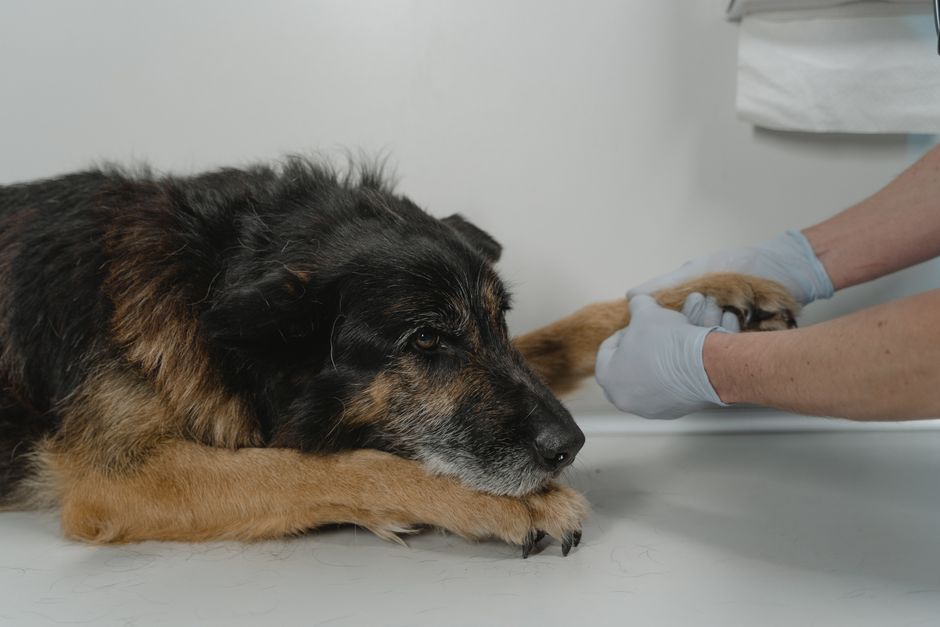
What to Know About Monitoring Your Dog’s Mobility
Is your dog starting to hesitate before jumping onto the couch or lag behind during walks around Haddon Heights? If you are wondering, “what should I know about monitoring a dog’s mobility over time?” you are not alone. Many pet owners notice subtle changes in the way their dogs move long before a limp or obvious stiffness appears. At Haddon Veterinary Clinic, our veterinary team in Haddon Heights, NJ regularly helps families spot early signs of mobility changes, understand the causes, and take proactive steps to keep dogs active and comfortable. In this blog, we will explore how to watch for mobility issues, what factors can contribute to joint and movement problems, and how regular veterinary care can make a difference. You will also learn about home care tips, when to schedule an appointment, and available treatment options, including advanced therapies offered right here in our clinic.
Recognizing Early Signs of Mobility Changes in Dogs
Understanding what should I know about monitoring a dog’s mobility over time begins with being attentive to your dog’s normal movement patterns. Dogs are experts at masking discomfort, so changes can be subtle at first. Key symptoms include hesitation when climbing stairs, reluctance to jump into the car, or taking longer to rise from a resting position. You might see your dog favoring one leg, walking stiffly after a nap, or slowing down on walks they once enjoyed. Other signs to watch for are difficulty getting comfortable, changes in posture, or less enthusiasm for play and exercise.
Sometimes, dogs may lick or chew at a painful joint, or you might notice a decrease in muscle tone, especially in the hind legs. These signs can appear gradually, making it easy to overlook them until mobility becomes significantly impaired. Regular observation and noting any changes in your dog’s daily routine can help you catch issues early and share valuable information with your veterinarian.
Why Do Dogs Develop Mobility Issues?
There are many reasons why dogs develop joint stiffness or mobility problems. Age is a major factor; as dogs grow older, their joints naturally experience wear and tear, much like humans. Osteoarthritis is one of the most common causes of chronic pain and decreased mobility in adult and senior dogs. Larger breeds, such as Labradors and German Shepherds, are especially prone to developing arthritis, but smaller breeds can be affected as well.
Other contributing factors include injuries from accidents or overexertion, developmental conditions like hip or elbow dysplasia, and even genetic predispositions. Obesity can significantly strain joints, leading to early onset of mobility problems. Less commonly, neurological issues or underlying diseases such as Lyme disease can also impact a dog’s ability to move comfortably.
Some dogs experience stiffness during colder months, which is common in Haddon Heights and the surrounding communities when winter weather sets in. Slippery ice, dampness, and chilly temperatures can all contribute to discomfort in arthritic joints. Understanding your dog’s risk factors can help tailor a monitoring plan and guide preventive care efforts.
Professional Treatment Options for Mobility Problems
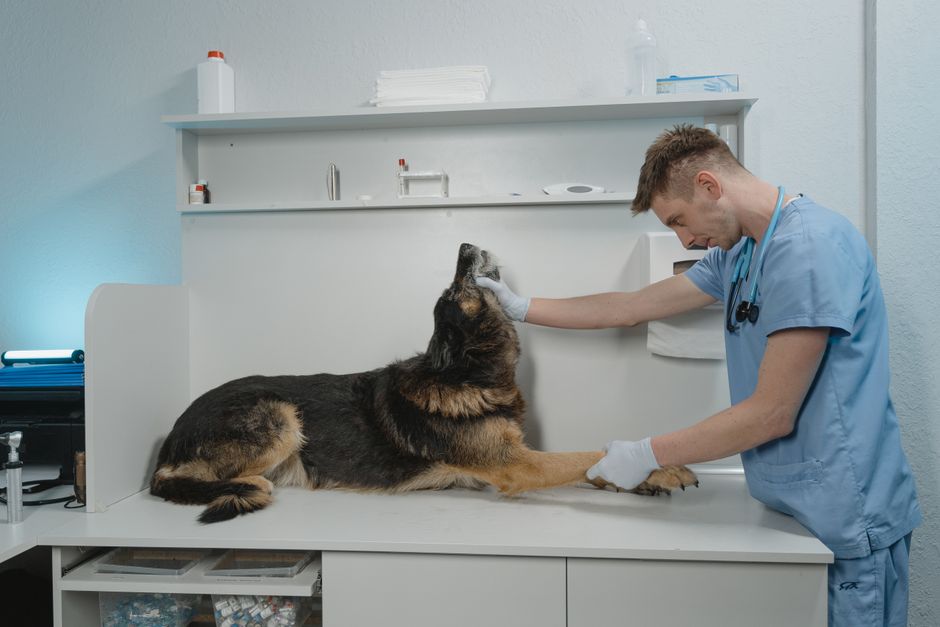
When you bring your dog to Haddon Veterinary Clinic for a mobility evaluation, our veterinary team will perform a thorough physical examination and discuss your dog’s history and daily habits. Diagnostic tests such as digital radiology or ultrasounds can help us pinpoint the source and severity of joint or soft tissue problems. Depending on the diagnosis, treatment approaches involve a combination of medical management, lifestyle adjustments, and supportive therapies.
For many dogs, pain management is central to improving mobility. This may include safe, veterinarian-prescribed anti-inflammatory medications, joint supplements, or injections. Our clinic offers advanced options such as physical therapy, which uses customized exercises to restore strength and movement, and laser therapy, a gentle, non-invasive way to reduce pain and inflammation. Some pets benefit from acupuncture, which can help relieve chronic pain and support overall wellness. In certain cases, surgical intervention may be recommended to repair damaged joints, remove bone fragments, or address developmental abnormalities.
Throughout treatment, our focus is on supporting your dog’s comfort and quality of life. Our team will work closely with you to develop a care plan that matches your dog’s needs, lifestyle, and personality.
Steps You Can Take at Home to Support Your Dog’s Mobility
Many pet owners ask what they can do at home to help their dogs stay active and comfortable as they age. Simple steps include maintaining a healthy weight by feeding a balanced diet and providing regular, low-impact exercise such as walking or swimming. Keeping your dog at an appropriate weight reduces unnecessary stress on joints, which is especially important for breeds prone to arthritis.
Creating an accessible home environment is also helpful. Providing ramps or stairs to favorite resting spots, using non-slip mats on slippery floors, and offering orthopedic bedding can make a significant difference in your dog’s comfort. Gentle massage, stretching exercises (as recommended by your veterinarian), and keeping your dog warm and dry during colder months are all practical ways to ease discomfort.
Regular preventative care visits at Haddon Veterinary Clinic ensure that any changes in your dog’s mobility are assessed early. During these visits, our veterinary team can recommend appropriate supplements, discuss therapeutic diets, and suggest environmental modifications tailored to your dog’s unique needs.
When Should You Schedule a Veterinary Appointment?
Knowing when to seek veterinary care is an essential part of what should I know about monitoring a dog’s mobility over time. If you notice your dog limping, struggling to rise, vocalizing in pain, or showing sudden lameness, it is important to schedule an appointment promptly. Early intervention can prevent minor issues from becoming major health problems.
Sudden inability to walk, dragging of limbs, or signs of severe pain require urgent attention. Even mild or gradual changes in movement should be discussed with your veterinarian, as early treatment leads to better outcomes. Do not wait for symptoms to become severe; our team is here to provide guidance and support every step of the way.
How Our Veterinary Team Helps Dogs Stay Active in Haddon Heights
At Haddon Veterinary Clinic, our veterinarians are dedicated to helping your dog live a comfortable, active life. We combine thorough examinations with advanced diagnostic tools and a full range of treatment options, from medication and physical therapy to progressive therapies like laser therapy and acupuncture. By partnering with you, we can monitor your dog’s progress and adjust care plans as needed.
Our commitment extends beyond the clinic. We are always available to answer your questions, offer practical advice, and provide resources tailored to your dog’s specific health concerns. Whether you are in Haddon Heights or a nearby community, our goal is to be your trusted source for expert veterinary care and guidance.
Take Proactive Steps to Protect Your Dog’s Mobility
To summarize, keeping track of your dog’s movement and spotting early changes are crucial parts of what should I know about monitoring a dog’s mobility over time. By staying observant, maintaining a healthy lifestyle at home, and scheduling regular checkups, you can ensure your dog enjoys the best quality of life possible. If you are searching for a veterinarian near me who understands the importance of mobility in dogs and offers comprehensive care, Haddon Veterinary Clinic is here for you.
If you have noticed any of the signs discussed above or have questions about your dog’s mobility, we encourage you to contact our veterinary team today. Schedule an appointment by calling (856) 263-2888 or visit us in person at 2 2nd Ave, Haddon Heights, NJ 08035. You can also learn more about physical therapy, acupuncture, and laser therapy options available for your dog. We are committed to helping your pet remain active, happy, and healthy for years to come.