
.png)
Signs Your Cat May Need a Veterinary Check This Fall

Signs Your Cat May Need a Veterinary Check This Fall
As the crisp air of September arrives in Haddon Heights, many cat owners notice subtle changes in their feline companions. While autumn brings a welcome relief from summer heat, it can also reveal health concerns that are easy to overlook. At Haddon Veterinary Clinic, our team of veterinarians is dedicated to helping you stay ahead of seasonal health issues, ensuring your cat enjoys a comfortable and healthy fall. This article will guide you through the early warning signs that may signal your cat needs a veterinary exam, why these symptoms appear as the seasons change, and how you can keep your cat thriving. Whether you’ve observed a shift in appetite, a decrease in activity, or changes in grooming, we’ll discuss when it’s time to schedule a visit to our fully equipped clinic at 2 2nd Ave, Haddon Heights, NJ 08035. By understanding what to watch for and when to seek help, you can make this fall a season of well-being for your feline friend.
Recognizing Subtle Signs: When Your Cat May Need a Veterinary Exam
Cats are known for their ability to mask discomfort; even attentive owners can miss early signs of illness. However, subtle changes in your cat’s daily habits can provide important clues. Key symptoms include a noticeable decrease in appetite, which might seem minor but could indicate dental issues, kidney concerns, or even early metabolic disease. Increased thirst or more frequent urination, especially if you’re scooping the litter box more often, can be an early sign of diabetes or kidney problems common in aging cats.
Other warning signs to watch for are changes in grooming habits, such as a dull coat or mats developing where your cat previously kept their fur pristine. Some cats may withdraw and become less social, while others might vocalize more than usual, especially at night. Vomiting or diarrhea that persists for more than a day, coughing, sneezing, or unexplained weight loss should also prompt concern. It’s not unusual for older cats to become less active as the weather cools, but a sudden reluctance to jump or move could signal arthritis or undiagnosed pain.
If you notice any of these behaviors, even if they seem minor, it’s wise to consider a wellness examination to identify underlying issues before they progress.
Why Fall Can Reveal Health Changes in Cats
The transition from summer to fall impacts your cat’s health in several ways. Cooler temperatures often lead to changes in activity patterns, with some cats becoming less active and more prone to weight gain if their food intake is not adjusted. The shift in humidity can also affect cats with respiratory sensitivities, making them more likely to experience sneezing or congestion.
Seasonal changes in daylight can affect hormone levels, sometimes revealing underlying thyroid or metabolic issues that were less noticeable during the longer days of summer. Flea and tick activity may persist into the early fall, and indoor cats are not immune to these parasites if windows are open or other animals share the home. Additionally, older cats are more likely to experience flare-ups of arthritis or joint pain as the weather cools, leading to decreased mobility or reluctance to use the litter box.
Alongside environmental changes, the start of the school year and holiday preparations can alter household routines, sometimes resulting in stress-related behaviors. Cats sensitive to routine may respond with inappropriate urination, overgrooming, or changes in appetite.
What to Expect During a Fall Veterinary Visit
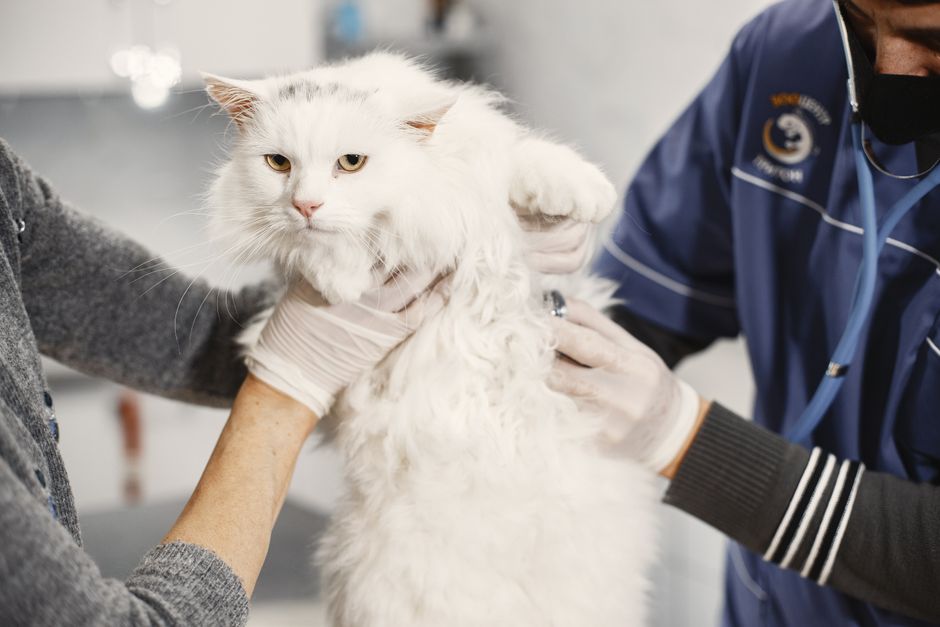
If you notice any of the signs described, a visit to Haddon Veterinary Clinic offers a comprehensive approach to your cat’s health. During a routine exam, our veterinary professionals will assess your cat’s weight, body condition, hydration status, and look for subtle signs of pain or illness. A thorough oral exam can reveal dental disease, which is a common but often hidden cause of appetite changes and discomfort in cats.
Diagnostic testing may be recommended based on your cat’s age and symptoms. This could involve bloodwork to check organ function, urine analysis to screen for kidney or urinary tract issues, and, if needed, imaging such as radiographs to assess for arthritis or internal problems. For concerns about persistent vomiting, diarrhea, or unexplained weight loss, our pet diagnostic lab provides rapid, accurate results to guide treatment.
If your cat is overdue for immunizations, fall is an excellent time to update pet vaccinations, especially if your household hosts visitors or other pets during the holidays. Our team will tailor a preventive care plan based on your cat’s lifestyle and risk factors, ensuring protection against common infectious diseases.
For cats diagnosed with chronic conditions like early kidney disease or arthritis, we offer supportive therapies and nutritional guidance to help manage symptoms and maintain quality of life throughout the colder months.
Home Care and Prevention: Keeping Your Cat Healthy This Season
There are several ways you can support your cat’s health between veterinary visits. Start by monitoring changes in appetite, water consumption, and litter box habits, as these often provide the earliest clues to health changes. Weigh your cat regularly at home, using a digital scale, to catch gradual weight loss or gain.
Maintain a consistent feeding schedule and provide fresh water daily. As activity levels often decrease in cooler weather, consider engaging your cat in interactive play to prevent weight gain and encourage mobility. If your cat is older or has a history of joint issues, offer soft bedding in warm, accessible spots to ease stiffness.
Groom your cat regularly, especially long-haired breeds, to prevent matting and detect skin or coat changes early. If you notice fleas, hair loss, or excessive scratching, contact our veterinary team for advice. Keeping up with parasite prevention, even for indoor cats, is important in the fall as pests can enter the home on shoes or other pets.
Monitor household changes that could stress your cat, such as new visitors, changes in routine, or increased noise. Providing hiding spots, quiet areas, and familiar bedding can help ease transitions. If your cat seems stressed, pheromone diffusers or environmental enrichment toys may help.
When to Schedule a Veterinary Check: Trust Your Instincts
Cats are masters at hiding illness, so trusting your instincts as a cat owner is crucial. If you notice persistent vomiting, diarrhea, coughing, sneezing, changes in appetite or thirst, sudden weight loss, or any new lumps or bumps, it is time to schedule an appointment. Likewise, if your cat becomes withdrawn, stops grooming, or shows a change in mobility, a veterinary exam can provide peace of mind and early intervention.
For senior cats or those with chronic health conditions, fall wellness exams are especially important. These visits allow our veterinarians to adjust care plans, monitor for early signs of disease progression, and keep your cat comfortable as the weather turns cooler. Remember, early detection often leads to better outcomes and less invasive treatments.
If your cat experiences severe difficulty breathing, sudden collapse, or uncontrolled bleeding, seek emergency veterinary care immediately. For more information on urgent symptoms, you can review our emergency care guidelines.
Supporting Your Cat’s Well-being in Haddon Heights and Beyond
Fall is a beautiful time in Haddon Heights and surrounding communities, but it also brings unique challenges for your cat’s health. By staying vigilant for subtle changes and acting promptly, you are your cat’s best advocate. If you are searching for a trusted "vet near me" this season, our team at Haddon Veterinary Clinic is here to help with personalized, progressive care for your feline companion.
We invite you to schedule a wellness examination at our Haddon Heights location to keep your cat healthy and happy all season long. For questions, concerns, or to book your cat’s fall checkup, call us at (856) 263-2888. Our veterinary professionals are always here to guide you through every stage of your cat’s health, offering the highest quality medical and surgical care right in your neighborhood.
Remember, early attention to subtle signs can make all the difference. Let’s work together to ensure your cat enjoys a safe, comfortable, and healthy autumn.
This blog is for informational purposes only and does not replace professional veterinary advice. Always consult your veterinarian for specific concerns about your cat’s health.