
How to Protect Your Pet From Fall Toxins in Haddon Heights

How to Protect Your Pet From Fall Toxins in Haddon Heights
As the crisp autumn air settles over Haddon Heights and the leaves begin to fall, many pet owners look forward to enjoying the beauty of the season with their dogs and cats. However, fall also brings a new set of hidden dangers for your pet, including toxic plants, seasonal foods, and household products that become more common as the weather cools. At Haddon Veterinary Clinic, we understand how important it is for your pet to stay healthy and safe through every season. Our veterinary team at 2 2nd Ave, Haddon Heights, NJ 08035 is here to help you recognize common fall toxins and take steps to protect your dog or cat. In this blog, you’ll learn about the most common autumn hazards for pets in our area, how to spot signs of poisoning, and what you can do at home to keep your four-legged family members safe. If you’re ever unsure whether your pet has been exposed to something dangerous, our team is always ready to help you schedule an appointment or answer your questions.
Recognizing Fall Toxin Risks: Signs Your Pet May Be in Danger
As a pet owner, it’s not always easy to spot the early signs that your dog or cat has come into contact with a fall toxin. During this season, pets are often more curious about the changing environment, whether they’re sniffing around leaf piles, exploring new plants in the yard, or spending more time indoors with seasonal décor and treats. Warning signs that your pet may have been exposed to a toxic substance include sudden vomiting or diarrhea, excessive drooling, loss of appetite, weakness, tremors, or seizures. Additionally, you may notice your dog or cat acting disoriented, having trouble walking, or showing signs of abdominal pain. In some cases, exposure to certain plants or foods can cause more subtle symptoms such as increased thirst, frequent urination, or changes in behavior. If your pet chews on or ingests something you suspect might be toxic, it’s important to watch closely for any of these symptoms and contact our veterinary team promptly for guidance.
Common Fall Toxins in Haddon Heights: What Pet Owners Need to Know
The cooler months introduce a variety of new risks for dogs and cats. Certain plants that thrive in autumn, like mushrooms and some decorative bulbs, can be extremely harmful if ingested. Mushrooms, especially wild varieties that pop up after rain, may cause anything from mild gastrointestinal upset to severe organ damage. Other hazards include acorns and oak leaves, which contain tannins that can cause stomach upset or, in large amounts, kidney damage in dogs. Many households decorate with chrysanthemums, which are toxic to pets and can cause drooling, vomiting, and coordination problems.
Seasonal foods also pose a risk. Chocolate, which is especially popular around Halloween, is well known for being toxic to both dogs and cats; symptoms of chocolate poisoning range from restlessness and rapid breathing to seizures and, in severe cases, death. Grapes and raisins, sometimes found in baked goods, can cause kidney failure even in small amounts. Xylitol, a common sugar substitute found in sugar-free gum and baked items, is extremely dangerous to dogs and can cause life-threatening hypoglycemia and liver failure. Additionally, rodenticides and antifreeze are used more frequently as temperatures drop; both are highly toxic if your pet comes into contact with them, leading to symptoms such as drooling, vomiting, seizures, and kidney damage.
Professional Treatment Options for Pet Toxin Exposure
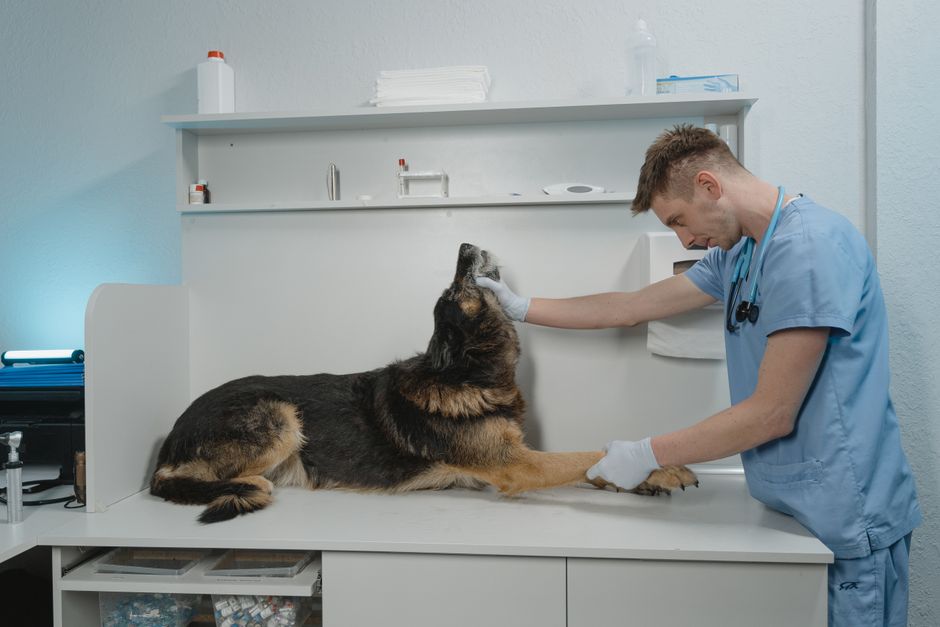
If you suspect your dog or cat has ingested or come into contact with a fall toxin, prompt veterinary attention is critical. The veterinary team at Haddon Veterinary Clinic can provide immediate care and diagnostics to determine the extent of your pet’s exposure. Treatment approaches depend on the type of toxin, how much was ingested, and how quickly your pet receives care. In many situations, your veterinarian may induce vomiting or administer activated charcoal to limit toxin absorption. Intravenous fluids, medications to control symptoms, and, in severe cases, hospitalization for intensive monitoring may be necessary. Our team may also recommend bloodwork or diagnostic imaging to assess organ function, especially if your pet has ingested something that can affect the liver or kidneys. Timely intervention can greatly improve your pet’s chances of a full recovery, so never hesitate to reach out if you are concerned.
If you’re interested in learning more about our diagnostic capabilities or want to understand what to expect during a veterinary evaluation, visit our page on pet wellness examinations and veterinary evaluations for dogs and cats or explore our veterinary diagnostic laboratory services for additional information.
How to Prevent Fall Toxin Exposure at Home
Prevention is always the best approach when it comes to protecting your pet from seasonal toxins. Start by thoroughly inspecting your yard and garden for mushrooms, acorns, and other potentially hazardous plants; removing these promptly reduces the risk of accidental ingestion. Inside your home, keep all Halloween candy, baked goods, and foods containing chocolate, grapes, or raisins out of your pet’s reach. Store rodenticides and antifreeze in secure locations where curious paws cannot access them, and always clean up any spills immediately.
Be cautious with seasonal decorations and houseplants, choosing only pet-safe options for your living spaces. Supervise your dog or cat during outdoor walks or playtime, especially in areas where wild mushrooms or unfamiliar plants are present. If you use essential oils or scented candles as part of your fall routine, remember that some can be harmful to pets; always check labels and keep diffusers or candles in places your pet cannot access.
Establishing a regular preventive care schedule is another key step in keeping your pet healthy year-round. Routine visits to your veterinarian ensure your dog or cat receives thorough checkups and stays up to date on vaccinations. For more information on how regular preventive care can protect your pet, explore our preventative veterinary care services.
When to Contact Your Veterinarian: Recognizing Emergencies
Knowing when to seek veterinary help can be the difference between a quick recovery and a serious health crisis. Always contact your veterinarian immediately if your pet ingests (or you suspect ingestion of) any known toxin, including mushrooms, chocolate, xylitol, grapes, raisins, rodenticides, or antifreeze. Rapid breathing, seizures, severe vomiting, or collapse are emergency signs that require urgent attention. Even if your dog or cat appears only mildly ill, it’s better to be cautious and have your veterinarian assess the situation.
At Haddon Veterinary Clinic, our veterinarians are here to guide you through emergencies and answer any questions you may have about fall toxin risks. If you are unsure whether your pet’s symptoms are related to toxin exposure, don’t wait—reach out to our veterinary team for advice and next steps. We can help determine whether an immediate appointment is necessary or if home monitoring is appropriate. For after-hours concerns, see our emergency care guidelines on our website for support and resources.
Keeping Your Pet Safe This Fall: Local Support for Haddon Heights Pet Owners
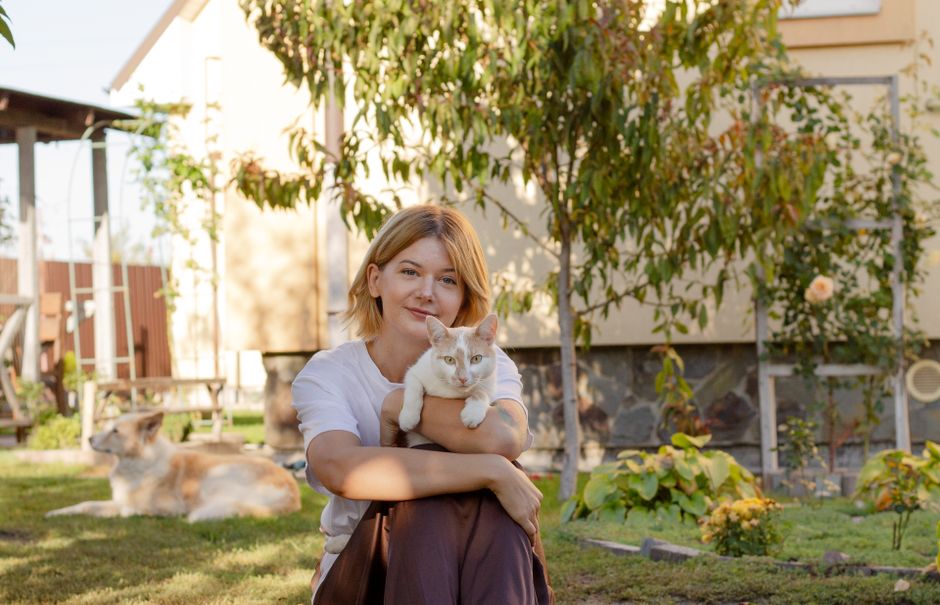
Fall in Haddon Heights is a beautiful time to enjoy outdoor adventures and cozy evenings indoors with your pet. By staying alert to seasonal hazards and taking simple preventive steps, you can help your dog or cat stay healthy throughout the autumn months. Remember that our veterinary professionals are always here to answer your questions, provide thorough wellness examinations, and help you navigate any concerns about fall toxins or your pet’s overall well-being.
If you’re searching for a trusted "vet near me" for seasonal guidance, prevention, or urgent care, Haddon Veterinary Clinic is your neighborhood partner in pet health. To schedule an appointment or speak with our team about any concerns, call us at (856) 263-2888, or visit our clinic at 2 2nd Ave, Haddon Heights, NJ 08035. We are proud to serve Haddon Heights and surrounding communities, helping your pets enjoy a safe and healthy fall season. For more information about preventive care and seasonal risks, explore our preventative veterinary care services or contact our veterinary team today.
This blog is for educational purposes only and does not replace professional veterinary advice. If you are concerned your pet has been exposed to a toxin, contact your veterinarian immediately.