
Key Factors for Monitoring Your Dog’s Mobility Over Time
Key Factors for Monitoring Your Dog’s Mobility Over Time
Is your dog starting to slow down or move differently than usual? If you’ve ever wondered, “What are the most important things to consider about monitoring a dog’s mobility over time?”, you’re not alone. At Haddon Veterinary Clinic, we know how vital it is for pet owners in Haddon Heights and surrounding communities to keep a close eye on their dog’s movement, especially as they age. Subtle changes in mobility can signal underlying health issues that, if caught early, can often be managed or even prevented from progressing. In this blog, we’ll explore the key factors you should watch for, why mobility changes happen, and how our veterinary team supports you and your dog throughout their life. We’ll also highlight what you can do at home and when it’s time to schedule an appointment at our Haddon Heights location.
Recognizing Changes: Signs Your Dog’s Mobility Is Shifting
Understanding what are the most important things to consider about monitoring a dog’s mobility over time starts with recognizing the early warning signs. Many pet owners first notice subtle changes, such as hesitation when jumping onto furniture, difficulty climbing stairs, or a reluctance to go for walks. Some dogs may begin to lag behind on walks, shift their weight from one leg to another, or even limp after exercise. Other telltale signs include stiffness after resting, slipping on floors, or changes in the way your dog sits or lies down.
Additional symptoms to watch for are muscle loss in the hind legs, vocalizing when moving, licking or chewing at a particular joint, and decreased enthusiasm for playtime. These changes may develop gradually, making them easy to dismiss as normal aging. However, even mild shifts in your dog’s mobility can indicate discomfort, joint disease, or other medical concerns that deserve attention.
Why Do Mobility Changes Happen? Understanding the Causes
Mobility issues in dogs can stem from a wide variety of sources. One of the most common culprits is arthritis, particularly osteoarthritis, which leads to joint inflammation and pain as cartilage wears down over time. Larger breeds, overweight dogs, and those with a history of joint injuries are especially prone to developing arthritis earlier in life.
Other causes include hip or elbow dysplasia, cruciate ligament injuries, neurological disorders, and even certain metabolic diseases. Sometimes, mobility changes are related to age-related muscle loss, known as sarcopenia, or secondary to chronic conditions like heart disease or cancer. In some cases, a dog’s reluctance to move is not due to joint pain but is instead caused by underlying issues such as heart or respiratory disease, which makes exercise more challenging.
Environmental factors also play a role. Slippery floors, changes in home layout, or reduced access to outdoor spaces can all impact how easily your dog moves around. Seasonal shifts, such as cold winters in Haddon Heights, may make stiffness and joint pain more noticeable.
Veterinary Support: Diagnosis and Professional Management Options
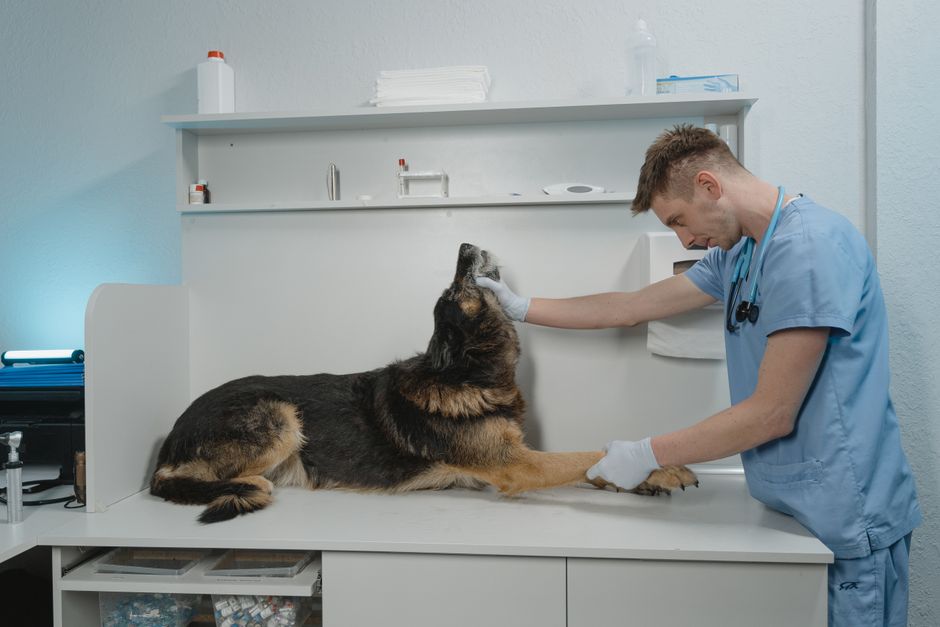
When you notice mobility changes in your dog, seeking professional guidance is essential. The first step is a comprehensive evaluation, which often includes a wellness examination at our clinic. During this visit, our veterinarians will observe your dog’s gait, assess joint range of motion, and look for signs of pain or discomfort. We may recommend further diagnostics, such as digital radiology, to evaluate bones and joints for signs of arthritis, fractures, or other abnormalities.
Once we’ve identified the source of your dog’s mobility issues, treatment options are tailored to their individual needs. For many dogs, a combination of weight management, pain relief, and physical rehabilitation is most effective. Pain management may involve non-steroidal anti-inflammatory drugs (NSAIDs), joint supplements, or advanced therapies such as laser therapy, which can help reduce inflammation and support tissue healing.
Rehabilitation and physical therapy are increasingly recognized as valuable tools for restoring strength, flexibility, and confidence in dogs with mobility challenges. Our veterinary team may design customized exercise programs or recommend modalities like underwater treadmill therapy, massage, or therapeutic exercises for your dog.
Alternative approaches, including acupuncture and chiropractic medicine, are also available at Haddon Veterinary Clinic. These therapies can provide pain relief and improve mobility, especially for pets who cannot tolerate certain medications.
Home Care and Prevention: Keeping Your Dog Moving Comfortably
While veterinary care is a cornerstone of managing mobility issues, much of your dog’s comfort depends on what happens at home. Maintaining a healthy weight is perhaps the single most important factor in reducing stress on aging joints. Regular, low-impact exercise such as walking, gentle play, or swimming helps maintain muscle mass and joint flexibility.
Consider making your home more accessible for your dog by using ramps for stairs or furniture, adding non-slip mats on slippery surfaces, and providing orthopedic bedding for better support. Monitoring your dog’s activity and noting any changes in willingness to move, play, or go outside will help you catch problems early.
Dietary support is also important. High-quality diets formulated for joint health, along with veterinarian-recommended supplements like glucosamine, chondroitin, or omega-3 fatty acids, may help protect cartilage and reduce inflammation. Always consult with your veterinary team before starting any new supplements or therapies.
Regular veterinary check-ups should be part of your prevention plan. These visits allow us to track your dog’s mobility over time, make early adjustments to their care, and ensure their pain is well managed. For more information about how we monitor mobility and overall health, explore our wellness examination services.
When to Schedule an Appointment: Knowing When Your Dog Needs Help
It can be difficult for pet owners to know when a mobility issue is urgent. If your dog suddenly becomes unable to walk, shows signs of severe pain such as yelping or crying out, or loses control of their bladder or bowels, seek veterinary care immediately. For less urgent but persistent changes, such as ongoing stiffness, limping, or a gradual loss of interest in walks, we recommend scheduling an appointment as soon as you notice these shifts.
Consistent monitoring and early intervention are key to giving your dog the best possible quality of life. Remember, many mobility issues can be managed or slowed with the right combination of veterinary care, home adjustments, and supportive therapies. Our team is here to help you decide when professional intervention is needed and to guide you through each step of the process.
What Are the Most Important Things to Consider About Monitoring a Dog’s Mobility Over Time? , Takeaways for Dog Owners in Haddon Heights
Caring for your dog’s mobility is a long-term commitment that can make a remarkable difference in their comfort and happiness. The most important things to consider about monitoring a dog’s mobility over time include being attentive to subtle changes in movement, understanding the potential causes, seeking timely veterinary assessment, and maintaining a proactive approach to care at home. Regular check-ups and early intervention support your dog’s ability to stay active and pain-free as they age.
If you are searching for a “vet near me” who prioritizes long-term mobility and whole-body wellness for your dog, Haddon Veterinary Clinic is dedicated to supporting you every step of the way. To discuss any concerns or to schedule a mobility evaluation, contact our team of veterinarians at (856) 263-2888 or visit us at 2 2nd Ave, Haddon Heights, NJ 08035. If you would like more information about our rehabilitation, physical therapy, or acupuncture services, our veterinary professionals are always here to help. Together, we’ll help your dog enjoy an active, happy life for years to come.
This blog is intended for informational purposes only and does not replace professional veterinary advice. Always consult your veterinarian if you have concerns about your dog’s mobility or health.