.png)
What to Know About Monitoring Your Dog’s Mobility Over Time

What to Know About Monitoring Your Dog’s Mobility Over Time
Keeping your dog active and comfortable throughout life is a top priority for every pet owner. If you have ever wondered, “What should I know about monitoring a dog’s mobility over time?” you are not alone. Mobility is more than just the ability to walk or run; it’s a reflection of your dog’s overall health, happiness, and quality of life. At Haddon Veterinary Clinic, we understand how important it is for families in Haddon Heights and surrounding communities to keep their dogs moving with ease, whether they are bounding through the backyard or simply enjoying a stroll through the neighborhood. In this blog, we will guide you through the steps of tracking your dog’s movement, spotting early signs of mobility challenges, understanding why changes occur, and exploring how our veterinary team can help your dog stay active for years to come. We will also discuss when it’s time to schedule a visit at our conveniently located Haddon Heights clinic.
Recognizing Early Signs: How to Tell If Your Dog’s Mobility Is Changing
Understanding what should I know about monitoring a dog’s mobility over time begins with knowing what normal movement looks like for your dog. Every dog is unique, so paying attention to subtle changes can make a significant difference. Signs of mobility issues often start small. You might notice your dog hesitating to jump onto the couch, struggling to climb stairs, lagging behind on walks, or spending more time resting than usual. Other early symptoms include stiffness when getting up after a nap, occasional limping, or reluctance to play with favorite toys.
As these changes progress, you may see your dog slipping on smooth floors, having difficulty rising after lying down, or vocalizing in discomfort during certain movements. Some dogs develop visible muscle loss in their legs or hips, and you might observe licking or chewing at a sore joint. Monitoring these signs on a regular basis, such as by keeping a simple diary of your dog’s activity or using your smartphone to record short videos, can help you and your veterinarian spot trends and intervene early.
Why Do Dogs Develop Mobility Problems? Understanding the Causes
Mobility issues in dogs can arise from a variety of causes. Age is a significant factor, as the natural aging process brings changes to joints, muscles, and bones. Arthritis, also known as osteoarthritis or degenerative joint disease, is one of the most common reasons for declining mobility in older dogs. This condition causes inflammation and pain in the joints, making movement more difficult.
Other contributing factors include injuries such as ligament tears, hip or elbow dysplasia (which are more common in certain breeds), and neurological disorders that affect the nerves controlling movement. Obesity plays a major role, as excess weight puts additional strain on joints and muscles. Sometimes, mobility changes are linked to underlying medical conditions such as hypothyroidism, Cushing’s disease, or even heart problems that reduce your dog’s stamina.
Environmental factors can also have an impact. Slippery floors, steep stairs, or a lack of regular exercise may worsen mild mobility issues over time. By understanding these causes, you can take proactive steps to keep your dog comfortable and active.
How Veterinary Care Supports Your Dog’s Mobility at Every Stage
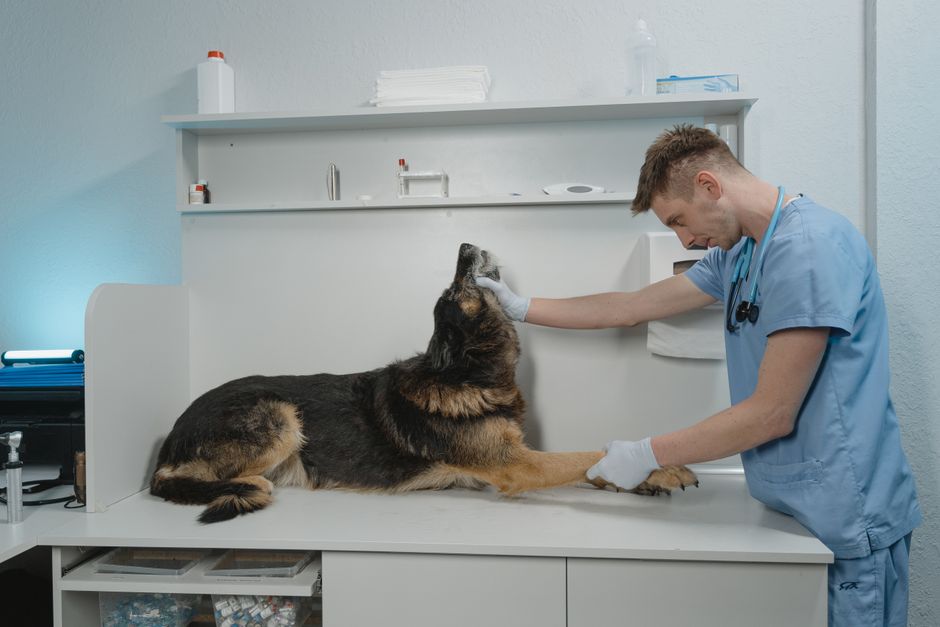
When you bring your dog to Haddon Veterinary Clinic for a wellness examination, our veterinarians pay close attention to your dog’s movement and posture. Regular exams are essential for early detection of mobility changes, especially since dogs are experts at hiding discomfort. During your visit, our veterinary team will assess joint flexibility, muscle tone, and gait, as well as look for signs of pain or weakness.
If mobility concerns are noted, we may recommend diagnostic tools such as digital radiology to evaluate bones and joints in detail. This helps us pinpoint the cause of your dog’s movement challenges and tailor a treatment plan that meets their specific needs.
Treatment approaches involve a combination of pain management, weight control, and supportive therapies. Medications such as non-steroidal anti-inflammatory drugs (NSAIDs) may be prescribed to reduce inflammation and discomfort. For many dogs, non-invasive treatments like laser therapy and acupuncture offer meaningful relief by decreasing pain and promoting healing in affected tissues. Physical therapy is another cornerstone of mobility care, using targeted exercises to improve strength, range of motion, and overall function.
If your dog requires surgical intervention for conditions like ligament tears or severe arthritis, our clinic is fully equipped to provide advanced surgical care and post-operative rehabilitation.
Supporting Your Dog at Home: Practical Tips for Better Mobility
While professional veterinary care is crucial, there are many ways you can help your dog stay mobile at home. Keeping your dog at a healthy weight is one of the most effective steps you can take; this reduces strain on joints and improves overall comfort. Regular, moderate exercise suited to your dog’s age and physical condition helps maintain muscle strength and flexibility. Activities such as gentle walks, swimming, or interactive play can support mobility without causing undue stress.
Creating a safe and accessible environment is also important. Placing rugs or runners on slippery floors gives your dog better traction, while ramps or pet stairs make it easier to reach favorite spots. Orthopedic beds provide support for sore joints and ensure restful sleep. Massage, gentle stretching, and basic at-home exercises recommended by your veterinarian can further promote circulation and flexibility.
Monitoring your dog’s progress is key. Watch for any changes in how your dog moves, as well as appetite, mood, or willingness to participate in daily activities. If you notice any setbacks or new symptoms, reach out to your veterinarian promptly.
When to Seek Professional Help: Knowing When Your Dog Needs a Veterinary Evaluation
It can be challenging to decide when normal aging crosses the line into a medical concern. As a rule of thumb, if you observe persistent limping, difficulty rising, reluctance to walk or play, sudden changes in movement, vocalization of pain, or any loss of function, it’s time to schedule an appointment. Early intervention can make a dramatic difference in your dog’s quality of life and may prevent further decline.
If your dog has already been diagnosed with a joint or mobility condition, regular follow-ups are vital for adjusting treatment plans and maintaining comfort. Our veterinary professionals are here to answer your questions, provide guidance, and offer advanced therapies tailored to your dog’s unique situation. When searching for a “vet near me” who understands the importance of lifelong mobility, choosing a local practice like Haddon Veterinary Clinic ensures continuity of care and personalized support.
Why Long-Term Mobility Monitoring Matters: A Commitment to Lifelong Comfort
Understanding what should I know about monitoring a dog’s mobility over time means recognizing that mobility is a dynamic aspect of your dog’s health. Early detection of changes, consistent home care, and regular veterinary checkups all work together to keep your dog active and pain-free for as long as possible. Our veterinary team in Haddon Heights is dedicated to supporting you and your pet at every step, from puppyhood through the golden years.
If you have concerns about your dog’s movement or want to learn more about mobility support options, schedule a wellness examination or ask about physical therapy, acupuncture, or laser therapy at our clinic. We take pride in helping families across Haddon Heights and the surrounding communities ensure their dogs enjoy an active, happy life.
To book a mobility evaluation or discuss treatment options, call our team of veterinarians at (856) 263-2888 or visit our Haddon Heights location. Your dog’s comfort and mobility are our highest priorities, and we are here to help you every step of the way.
This blog is intended for informational purposes only and does not replace professional veterinary advice. Always consult your veterinarian for specific questions or concerns about your dog’s health and mobility.