
How to Prepare Pets for Cooler Weather in November
How to Prepare Pets for Cooler Weather in November
As the crisp air of November settles over Haddon Heights, many pet owners begin to wonder how the drop in temperature might affect their dogs and cats. At Haddon Veterinary Clinic, we know that cooler weather brings new considerations for your pet’s comfort, health, and safety. Whether your companion loves romping through fallen leaves or prefers curling up by a sunny window, adjusting your care routine this season is essential. In this guide, our veterinary team will walk you through the most important steps to keep your pet healthy, cozy, and protected all autumn long. We will cover how to recognize signs that the cold is affecting your pet, understand the reasons behind seasonal changes, manage your pet’s needs at home, and know when to schedule a visit at our fully equipped Haddon Heights location. If you are looking for reliable guidance and comprehensive care for your pet this November, you are in the right place.
Recognizing When Cooler Weather Affects Your Pet
Understanding how your pet responds to the changing seasons is the first step in providing excellent care. As temperatures drop, you may notice that your dog or cat acts differently. Signs that the cold is impacting your pet include seeking out warmer spots in the home, such as curling up by heat vents or burrowing under blankets. You might also observe that your pet seems less enthusiastic about outdoor activities, hesitates to go outside, or shivers after walks. For some pets, the colder air can lead to dry skin or a duller coat, and older animals may show increased stiffness or discomfort when getting up from resting. It is especially important to watch for changes in behavior or activity levels during outdoor walks or playtime, as pets who are normally energetic may become reluctant to spend time outside when chilly weather arrives.
Additionally, certain breeds and individual pets are more sensitive to cold than others. Smaller dogs, short-haired cats, seniors, and pets with chronic health conditions are often less tolerant of low temperatures. If your pet is recovering from surgery or illness, they may also need extra protection from the elements. Keeping an eye on these subtle and not-so-subtle signs will help you identify when your pet needs additional care or a change in routine.
Why Cooler Weather Impacts Pet Health and Comfort
The transition from the warm days of summer to brisk November weather affects pets in several ways. Dogs and cats are both susceptible to temperature changes, but their ability to regulate body heat can vary. Pets with thin coats, low body fat, or certain medical conditions may struggle to stay warm, putting them at risk for hypothermia if exposed to the cold for extended periods. Even pets with thick fur can experience discomfort or develop skin issues due to the dry indoor air that often accompanies heating systems.
Colder weather can also aggravate existing health problems. For example, pets with arthritis or joint stiffness may become more uncomfortable as the temperature drops. The change in humidity and exposure to cool air may cause some pets to experience dry, itchy skin. Outdoor hazards also increase during this season, as antifreeze, rock salt, and seasonal plants become more common in neighborhoods and yards. These substances can be toxic if ingested or cause irritation to your pet’s paws.
November’s shorter daylight hours may affect your pet’s mood or energy levels, leading to less physical activity and potential weight gain. As routines shift and outdoor time becomes limited, it is important to consider how these factors can influence your pet’s overall health and wellbeing.
Helping Your Pet Thrive: Professional Veterinary Support for the Season
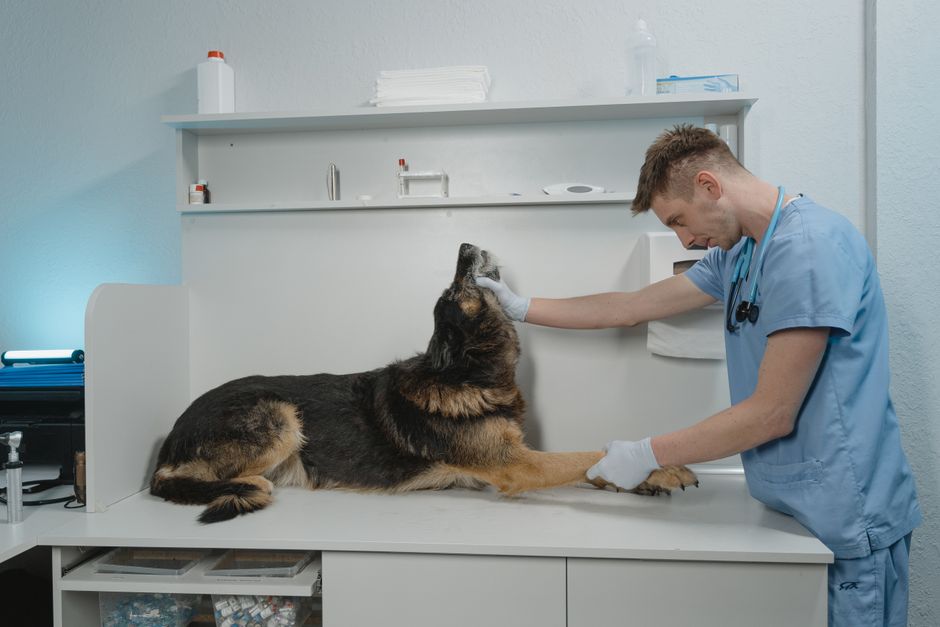
November is an ideal time to schedule a routine wellness examination for your pet. Regular checkups allow our veterinary team to spot early signs of seasonal health challenges and recommend personalized strategies for your pet’s comfort. During an exam, we can assess your pet’s overall health, review their vaccination status, and provide guidance on nutrition and weight management as activity levels change. Our wellness examination services are designed to address seasonal concerns, from joint health to skin and coat care, ensuring your pet is ready for the colder months ahead.
Some pets benefit from additional support as temperatures drop. If your pet shows signs of joint discomfort or mobility issues, our team can discuss specialized therapies such as chiropractic medicine or physical therapy to ease stiffness and improve comfort. For pets with chronic conditions, we may recommend tailored management plans that include medication adjustments, supplements, or lifestyle modifications.
It is also crucial to update your pet’s preventive care this season. Cooler weather does not eliminate the risk of parasites, so our veterinarians may recommend ongoing heartworm prevention and routine testing. Our practice offers comprehensive preventative care services to keep your dog or cat protected year-round.
Keeping Your Pet Safe and Comfortable at Home
There are many practical steps you can take at home to help your pet adjust to November’s chill. Providing a warm, draft-free area for your pet to rest is important. This might involve moving beds away from doors or windows, using extra blankets, or placing cozy bedding in your pet’s favorite spot. If your dog or cat likes to spend time outdoors, limit their exposure during especially cold or wet weather, and always offer a safe, dry shelter.
Adjusting your pet’s exercise routine can help prevent weight gain and keep them mentally stimulated when outdoor time is limited. Indoor play sessions, puzzle toys, and interactive activities are excellent ways to maintain your pet’s fitness and prevent boredom. For dogs, consider shorter, more frequent walks rather than long outings in the cold. Always dry your pet thoroughly after being outside, paying close attention to their paws, ears, and belly.
Protecting your pet’s skin and paws from seasonal hazards is another key home care step. Wipe your pet’s feet after walks to remove ice, salt, or chemicals that can cause irritation or illness. If your pet has a short coat or is sensitive to cold, a well-fitted sweater or coat can add an extra layer of warmth during outdoor excursions. Monitor your pet’s skin for dryness or flaking, and consult our veterinarians if you notice persistent problems.
Nutrition also plays a role in supporting your pet through seasonal changes. Work with our veterinary team to ensure your pet’s diet meets their needs based on age, activity level, and health status. Some pets may need minor adjustments to their meal portions as their energy requirements shift in the cooler months.
When to Schedule a Veterinary Visit for Seasonal Concerns
While many pets adapt well to the cooler weather, certain situations call for prompt veterinary attention. If your pet is shivering excessively, showing signs of lethargy, or refusing to eat or drink, it is important to schedule an appointment with our team. Sudden changes in mobility, persistent coughing, or visible discomfort when moving can be signs of underlying health issues that worsen with cold weather.
Additionally, if your pet is exposed to toxic substances such as antifreeze or salt, or if you notice sores, cracked paw pads, or skin irritation that does not improve, reach out to our clinic for guidance. Pets recovering from surgery or managing chronic illnesses may require more frequent check-ins during seasonal transitions.
Our veterinary professionals at Haddon Veterinary Clinic are always here to help you determine when your pet needs extra support. Scheduling a timely visit allows us to address minor issues before they become major problems, ensuring your pet enjoys a safe and comfortable November.
Supporting Your Pet’s Health All Season Long
As the fall season deepens in Haddon Heights and surrounding communities, taking proactive steps to protect your dog or cat from the effects of cooler weather is one of the best ways to support their wellbeing. By recognizing early signs of discomfort, understanding the unique challenges that November brings, and partnering with our veterinary team for preventive care, you set your pet up for a happy, healthy season.
If you have questions about how to help your pet adjust to the changing weather, or if you are searching for a veterinarian near me who truly understands local needs, our compassionate team at Haddon Veterinary Clinic is here for you. Schedule an appointment for a thorough wellness examination, discuss your pet’s seasonal care plan, or ask about our full range of preventative care services. You can reach us at (856) 263-2888 or visit us in person at 2 2nd Ave, Haddon Heights, NJ 08035. We look forward to helping your pet enjoy every cozy moment this November and beyond.
This blog is intended for educational purposes only and does not replace professional veterinary care. If your pet experiences any sudden or severe symptoms, please contact your veterinarian immediately.