
Dental Health Mistakes Pet Owners Make in November

Dental Health Mistakes Pet Owners Make in November
As autumn settles into Haddon Heights and the days grow shorter, many pet owners find themselves focused on preparing for the winter months. With the holidays approaching and routines changing, it’s easy to overlook certain aspects of your dog or cat’s health—especially their dental care. However, ignoring your pet’s oral health in November can set the stage for painful problems as winter progresses. At Haddon Veterinary Clinic, LLC, located at 2 2nd Ave, Haddon Heights, NJ 08035, our veterinary team sees firsthand how small mistakes in dental care can lead to bigger issues if not addressed promptly. In this blog, we’ll explore the most common dental health mistakes pet owners make during the fall, explain the signs of dental trouble, and provide practical tips to help you keep your pet’s mouth healthy all year long.
Whether you are a new pet owner or have shared your life with dogs and cats for years, understanding dental health is essential for your companion’s overall wellbeing. We’ll cover how to recognize dental problems, why these issues tend to worsen during fall, what professional treatments are available, and how to maintain good oral health at home. If you are searching for reliable dental care for your pet in Haddon Heights or the surrounding communities, our clinic is here to support you with both preventive and advanced veterinary dental services.
Recognizing Dental Health Problems in Your Pet
Many dental concerns in pets begin quietly, making them easy to miss in their early stages. As a pet owner, you might not immediately notice subtle changes, especially when busy with seasonal activities. However, catching the warning signs early can make a significant difference in your pet’s comfort and long-term oral health.
Common symptoms of dental problems in dogs and cats include bad breath that persists even after brushing their teeth, visible tartar or discoloration on the teeth, red or swollen gums, and reluctance to chew or eat hard food. Additionally, you may notice your dog or cat pawing at their mouth, drooling more than usual, or dropping food while eating. In some cases, pets may become irritable or less playful if they are experiencing dental pain. When these signs appear, it is important to address them promptly to prevent further complications.
It’s also worth remembering that some pets are experts at hiding discomfort. Regularly checking your pet’s mouth and being aware of subtle behavioral changes can help you spot dental issues before they escalate. If you feel uncertain about your pet’s dental health, a professional examination at our clinic in Haddon Heights can provide peace of mind and guidance on next steps.
Why Dental Health Mistakes Happen in November
Autumn is a season of transitions. With holidays on the horizon, shifting routines, and colder weather, life can get hectic for families and their pets. During this time, certain dental health mistakes become more common—often unintentionally.
One frequent oversight is postponing or skipping professional dental checkups. As temperatures drop and schedules fill up, it’s easy to delay wellness visits, especially if your pet seems healthy on the surface. However, dental disease often develops gradually; by the time obvious symptoms appear, more advanced treatment may be needed.
Another common mistake is relaxing at-home dental care routines. Busy evenings or increased travel can mean forgetting daily toothbrushing or neglecting to offer dental chews. Over time, this can allow plaque and tartar to build up, creating an environment for bacteria to thrive.
Some pet owners may also assume that switching to softer or canned foods during colder months will protect their pet’s teeth, but this can actually reduce the natural abrasion that helps minimize plaque accumulation. Additionally, holiday treats intended for people are sometimes shared with pets; these can contribute to dental problems or even cause fractured teeth if they are too hard or sticky.
Environmental factors during fall, such as increased time indoors and changes in humidity, can also influence your pet’s oral health. Less physical activity and fewer outdoor walks may mean less opportunity for natural chewing and gum stimulation.
Staying mindful of these seasonal factors can help you avoid the most common dental health pitfalls and keep your pet’s mouth in great shape well into winter.
Professional Dental Treatment Options for Pets
When dental disease is suspected or diagnosed, professional veterinary care becomes essential. At Haddon Veterinary Clinic, our experienced veterinarians offer a full range of dental services for dogs and cats in Haddon Heights and the surrounding areas.
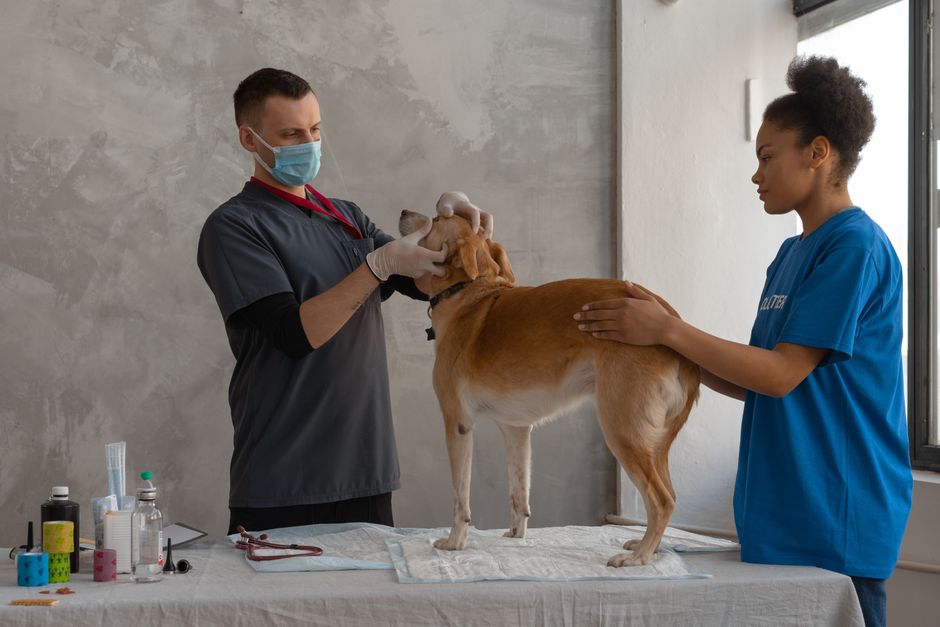
A thorough dental examination is the foundation of good oral care. During your pet’s visit, our veterinary team will assess their teeth and gums, looking for signs of disease or damage. Often, a comprehensive cleaning is recommended to remove tartar and plaque that cannot be addressed with brushing alone. Our professional pet dental cleaning services involve scaling and polishing each tooth, both above and below the gumline, to restore oral health and prevent infection.
In cases where dental disease is advanced, tooth extractions may be necessary to relieve pain and stop the spread of infection. Our veterinarians are skilled in pet tooth extraction services, ensuring your pet remains comfortable and safe throughout the procedure. We also utilize dental radiography services to evaluate the health of teeth beneath the gumline, which is critical for detecting hidden problems such as root abscesses or bone loss.
Following any dental treatment, our team provides detailed aftercare instructions and recommendations for ongoing home care, supporting your pet’s recovery and helping to prevent future issues. We are committed to making every dental procedure as stress-free and effective as possible for both pets and their owners.
Preventing Dental Problems at Home
Maintaining your pet’s dental health between professional cleanings is a team effort. While veterinary care is vital, daily habits at home play a major role in preventing dental disease and promoting overall wellness.
Regular toothbrushing is the most effective way to control plaque and tartar. Using a pet-specific toothbrush and toothpaste, aim to brush your dog or cat’s teeth every day, or at least several times a week. If your pet is new to toothbrushing, gradual introduction and positive reinforcement can help them become more comfortable with the process.
Dental chews and toys designed to reduce plaque can be a valuable addition to your pet’s routine, but it’s important to choose products that are safe and appropriate for their size and chewing style. Avoid giving your pet bones, antlers, or hard objects that could fracture teeth.
Diet also influences oral health. Feeding your pet a diet recommended by your veterinarian supports not only dental wellness but also overall nutrition. Some veterinary diets are specifically formulated to reduce plaque and tartar buildup.
Monitor your pet for any changes in eating habits, breath odor, or mouth sensitivity. Early intervention is key, so do not hesitate to reach out if you notice anything unusual.
Lastly, keep up with regular veterinary exams, even during busy seasons. Annual or semi-annual wellness visits provide an opportunity to detect and address dental issues before they become serious.
When to Schedule a Veterinary Dental Visit
Knowing when to seek professional dental care is crucial for your pet’s wellbeing. Certain signs indicate that a veterinary appointment should not be delayed.
Schedule a visit if your pet exhibits persistent bad breath, visible tartar, red or bleeding gums, loose or broken teeth, or noticeable mouth discomfort. Difficulty eating, drooling, or sudden changes in behavior are also red flags that warrant immediate attention.
In some cases, dental disease can affect other aspects of your pet’s health, leading to weight loss, lethargy, or even systemic infections. Prompt veterinary care can prevent complications and provide relief for your pet.
At Haddon Veterinary Clinic, we encourage pet owners in Haddon Heights and nearby communities to contact us at the first sign of dental trouble. Our team of veterinarians is equipped to diagnose, treat, and manage all aspects of your pet’s oral health, from routine cleanings to advanced procedures.
If you are unsure whether your pet needs a dental evaluation, our staff is happy to answer your questions and guide you toward the best next steps. Early action protects your pet’s health and helps ensure a happier, more comfortable winter season.
Setting Your Pet Up for a Healthier Winter: Takeaways and Next Steps
Dental health is a year-round commitment, but the transitions of November make it especially important to stay vigilant. By recognizing early signs of dental disease, understanding how seasonal habits can impact your pet’s oral health, and partnering with our veterinary team for professional care, you can help your pet enjoy a healthier, pain-free winter.
Remember that preventive action is always easier and more comfortable than treating advanced dental disease. If you have questions about your pet’s oral health or would like to schedule a dental examination, our compassionate veterinary professionals at Haddon Veterinary Clinic are here to help. We welcome pet owners from Haddon Heights and the surrounding communities, and we are committed to providing the highest standard of care for your dogs and cats.
For expert veterinary dental care, including professional pet dental cleanings, pet tooth extractions, and dental radiography, contact our clinic at (856) 263-2888 or visit us at 2 2nd Ave, Haddon Heights, NJ 08035. When searching for a vet near me, look for a team that prioritizes your pet’s comfort, safety, and long-term health.
Let us help you avoid the most common dental health mistakes this season and keep your beloved companion smiling, no matter how chilly the weather gets.