.png)
Is Your Cat Showing Fall Allergies? Signs Haddon Pet Owners Miss
Is Your Cat Showing Fall Allergies? Signs Haddon Pet Owners Miss
As autumn settles over Haddon Heights, many pet owners look forward to crisp walks and the cozy comfort of home. Yet, for some cats, the changing season can bring more than just falling leaves; it can trigger seasonal allergies that often go unnoticed until they begin to affect your cat’s comfort and well-being. At Haddon Veterinary Clinic, located at 2 2nd Ave, Haddon Heights, NJ 08035, our veterinary team frequently sees cats with symptoms that could easily be mistaken for minor irritations or dismissed as normal feline behavior. However, fall allergies in cats are real, and recognizing the signs early can make all the difference in keeping your feline comfortable through the season.
In this post, we’ll explore the subtle and not-so-subtle signs of fall allergies in cats, discuss the most common triggers in our local area, and explain how a veterinary exam can help determine if your cat is suffering from seasonal allergies. We’ll also offer practical tips for managing allergies at home and clarify when it’s time to schedule an appointment with our experienced veterinarians. If you’re wondering whether your cat’s sneezing or constant scratching is more than just a passing phase, you’re in the right place.
Recognizing Fall Allergy Symptoms in Cats
Cats are masters of hiding discomfort, so it’s not always obvious when seasonal allergies are at play. Many pet owners in Haddon Heights and surrounding communities may not realize that their cat’s increased grooming or subtle behavioral changes are actually signs of an allergic reaction.
Typical symptoms of fall allergies in cats include frequent sneezing, watery or runny eyes, and noticeable scratching or licking, particularly around the head, neck, or ears. Some cats develop red or inflamed skin, especially on the chin, belly, or paws, while others may experience hair loss in these areas. Additionally, you might notice your cat grooming excessively to the point of creating bald patches or small scabs. Respiratory signs such as coughing or noisy breathing can occur, although they are less common than skin-related symptoms.
Behavioral changes are also important clues; a normally playful or affectionate cat may become withdrawn or irritable if they are uncomfortable. Increased hiding, reluctance to be touched, or changes in appetite can signal that something is wrong. If your cat is displaying any of these symptoms, especially during the fall months, it may be time to consider seasonal allergies as a possible cause.
What Causes Fall Allergies in Haddon Heights Cats?
Understanding the root causes of autumn allergies can help you make sense of your cat’s symptoms. In Haddon Heights, fall brings a surge of environmental allergens that can affect sensitive cats. The most common culprits include weed pollens (such as ragweed), mold spores from decaying leaves, and dust mites that thrive in homes as we turn up the heat and close windows for the season.
Outdoor allergens can easily be tracked inside on shoes, clothing, and even through open windows, exposing strictly indoor cats to the same triggers as their outdoor counterparts. Additionally, indoor allergens like dust and mold often become more concentrated in the fall as homes are sealed against chillier weather. Cats with a genetic predisposition to allergies, or those with a history of skin sensitivities, are more likely to react to these environmental changes.
It’s important to note that while food allergies do exist in cats, they are unrelated to the seasonal patterns we see with fall allergies. Seasonal allergies, also known as atopic dermatitis, are specifically caused by substances in the environment. If you’re unsure which type of allergy is affecting your cat, a conversation with your veterinarian can help clarify the situation.
How Our Veterinary Team Diagnoses and Treats Cat Allergies
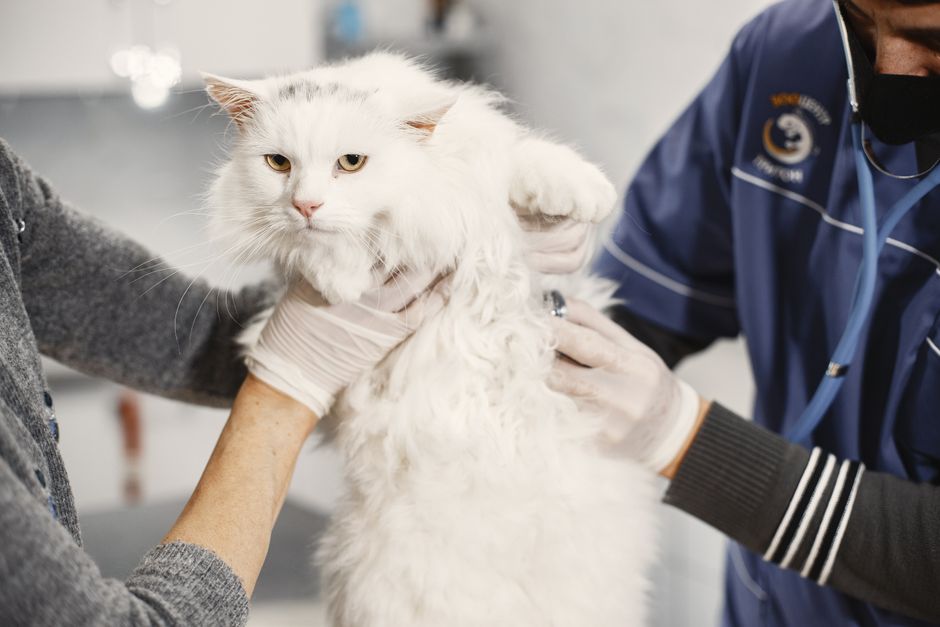
When you bring your cat to Haddon Veterinary Clinic for suspected fall allergies, our veterinarians start with a thorough history and physical examination. We’ll ask about your cat’s symptoms, when they started, and whether there have been any changes in their environment or routine. During the exam, we pay close attention to skin and coat health, respiratory sounds, and any signs of infection or inflammation.
Depending on what we find, our team may recommend additional diagnostics. Allergy testing can help identify specific triggers and tailor a management plan to your cat’s needs. You can learn more about our veterinary allergy testing services for identifying and managing pet allergies if you are interested in a more targeted approach to allergy control.
Treatment for fall allergies in cats often involves a combination of environmental management and medical therapy. This may include prescribing antihistamines, corticosteroids, or other medications to reduce itching and inflammation. For cats with secondary skin infections, antibiotics or topical treatments may also be necessary. In some cases, we may suggest immunotherapy or hypoallergenic diets to help manage ongoing symptoms, although these are more commonly used for severe or persistent cases.
Our goal is always to provide relief while minimizing side effects and supporting your cat’s overall health. Each treatment plan is individualized, taking into account your cat’s age, medical history, and specific symptoms.
Managing and Preventing Fall Allergies at Home
While veterinary care is essential for diagnosing and treating allergies, there are several steps you can take at home to help reduce your cat’s exposure to fall allergens. Regularly cleaning your home, especially areas where your cat spends the most time, can reduce dust and mold levels. Washing bedding, vacuuming carpets and upholstery, and using air purifiers with HEPA filters can all make a significant difference. If possible, keep windows closed during high pollen days to limit the entry of outdoor allergens.
For cats that enjoy time outdoors, consider wiping their paws and fur with a damp cloth when they come inside to remove pollen and mold spores. Bathing your cat is generally not necessary and can sometimes dry out their skin, but gentle wipes made for pets can be helpful. Pay attention to any new cleaning products or scented items in your home, as these can also trigger sensitivities in some cats.
Diet and overall wellness also play a role in managing allergies. Feeding a high-quality diet and ensuring your cat stays hydrated can support skin health and the immune system. If your cat’s symptoms worsen despite these efforts, or if you are unsure about the best approach, scheduling a wellness examination is a wise next step. Our veterinary team is happy to discuss personalized prevention strategies suited to your cat’s needs.
When to Seek Veterinary Care for Your Cat’s Allergies
It can be difficult to know when home management is enough and when professional care is required. Mild symptoms that resolve quickly with simple changes may not need a visit, but persistent or worsening signs are cause for concern. If your cat is scratching to the point of breaking the skin, developing bald patches, or experiencing red, swollen, or oozing areas, it is time to consult your veterinarian. Likewise, if respiratory symptoms such as coughing, wheezing, or persistent sneezing occur, prompt evaluation is important to rule out more serious issues.
Cats that stop eating, hide excessively, or show signs of lethargy should always be seen by a veterinary professional, as these can indicate underlying health problems beyond allergies. Early intervention can prevent complications and help keep your cat comfortable throughout the fall season.
Our team at Haddon Veterinary Clinic is committed to supporting you and your cat every step of the way. From diagnosis to treatment and ongoing wellness, we strive to provide the best care possible for pets in Haddon Heights and surrounding communities.
Support for Cat Allergies at Haddon Veterinary Clinic
Fall allergies in cats are more common than many pet owners realize, but with attentive care and support, your feline can enjoy the season in comfort. Keep an eye out for symptoms like sneezing, scratching, and skin irritation, and don’t hesitate to reach out if you notice changes in your cat’s behavior or appearance. If you’re searching for a trustworthy "vet near me," Haddon Veterinary Clinic offers comprehensive care from experienced veterinarians who understand the unique needs of cats in our local area.
Whether you need advice on allergy prevention, want to schedule a wellness examination, or are interested in allergy testing services, our team is ready to help. Call us at (856) 263-2888 to book an appointment or visit our website at haddonvet.com for more information. You can also stop by our convenient location at 2 2nd Ave, Haddon Heights, NJ 08035 to meet our veterinary team and discuss your cat’s allergy needs.
Remember, your cat’s comfort and health are our top priorities. Together, we can make this fall a season of well-being for your feline companion.
This blog is for informational purposes only and does not replace professional veterinary advice. Always consult your veterinarian for specific concerns regarding your cat’s health.