.png)
Preventing Flea and Tick Problems for Pets in Humid August

Preventing Flea and Tick Problems for Pets in Humid August
As the hot, humid days of August settle over Haddon Heights and the surrounding communities, pet owners often notice a troubling uptick in itching, scratching, and those telltale signs of unwanted guests: fleas and ticks. The combination of warmth and frequent summer rain creates ideal conditions for these stubborn parasites to thrive, making it even more important to keep your dog or cat protected. At Haddon Veterinary Clinic, we understand how frustrating it can be to watch your pet struggle with bites and irritation, or to worry about the health risks these parasites pose. In this blog, we will walk you through how to identify the early signs of flea and tick problems, why these pests become such an issue during August, the best options for treating infestations, and—most importantly—how to keep your pets itch-free all summer long. If you are concerned about parasite prevention or need personalized advice, our veterinary team is always here to help at 2 2nd Ave, Haddon Heights, NJ 08035. You can also learn more about year-round preventative veterinary care services available at our clinic.
Recognizing Flea and Tick Problems in Your Pet
Fleas and ticks are more than a nuisance; they can cause your pet discomfort, skin issues, and even transmit diseases. Recognizing the signs early helps prevent more serious complications. Pets bothered by fleas may scratch, bite, or lick themselves excessively, especially around the base of the tail, belly, and neck. You may notice tiny black specks (commonly referred to as “flea dirt”) in your pet’s fur, or even see live fleas moving through the coat if the infestation is heavy enough. Cats may groom so intently that they develop bald patches or irritated skin.
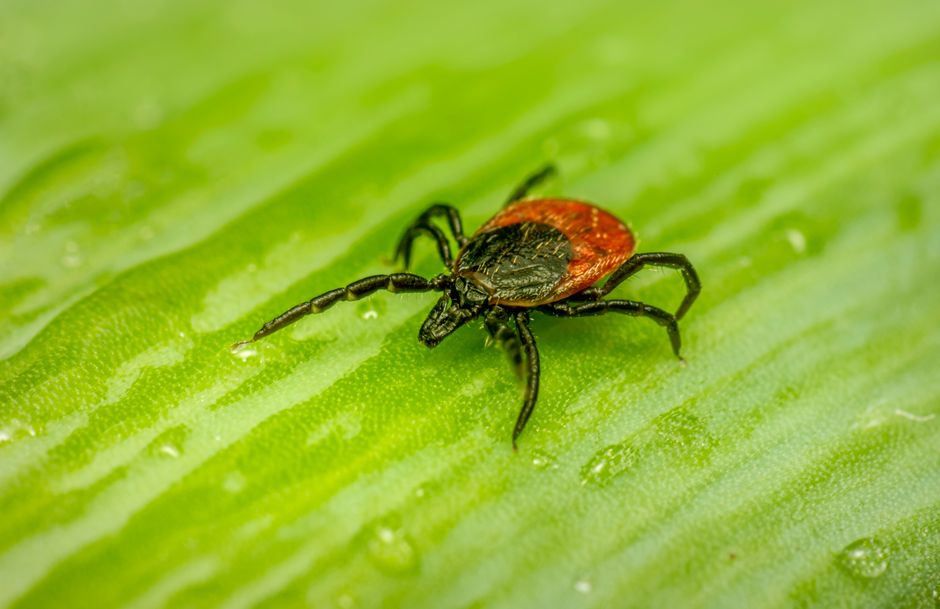
Ticks are less likely to cause immediate itching, but you might spot a small, round bump on your pet’s skin where a tick has attached. Sometimes, ticks are found around the ears, between the toes, or in areas where the fur is thinner. Both parasites can lead to red, inflamed skin, scabs, or hair loss. In severe cases, fleas can cause anemia, especially in kittens and puppies, resulting in pale gums and lethargy. Ticks may transmit illnesses like Lyme disease or ehrlichiosis; symptoms of these can include joint pain, fever, or sudden changes in activity level. If you notice any of these warning signs, it is important to address them quickly to keep your pet comfortable and healthy.
Why Are Fleas and Ticks So Bad in August?
August in Haddon Heights brings a unique set of challenges for pet owners when it comes to fleas and ticks. These parasites thrive in warm, moist environments, and the late summer months typically bring higher humidity and periodic rain showers that create perfect breeding conditions. Flea eggs and larvae develop faster in these settings, leading to a sudden population surge that can catch owners off guard. Ticks, meanwhile, are highly active in tall grass, wooded areas, and even backyards during late summer. Neighborhood wildlife like squirrels, rabbits, or stray cats can carry fleas and ticks onto your property, increasing the risk to your pets even if they are mostly indoors.
It is also important to remember that flea life cycles can be difficult to break. A single adult flea can lay dozens of eggs per day, which fall into carpets, bedding, and cracks in flooring, only to emerge weeks later. This means that even pets who spend most of their time indoors are at risk, especially if you live in an older home or an area with a lot of vegetation. Understanding these factors can help you be proactive in your parasite prevention strategy, rather than reacting to an active infestation.
Treating Flea and Tick Infestations: What to Expect
If your pet has picked up fleas or ticks, prompt and thorough treatment is essential. The approach often involves a combination of safe, veterinary-approved topical or oral medications that kill adult parasites and prevent new ones from developing. These products are available in a variety of forms, including monthly spot-on treatments, chewable tablets, and collars designed to provide continuous protection. Your veterinarian will recommend the best product based on your pet’s age, health status, and lifestyle.
In addition to treating your pet, you may need to address the home environment. This means frequent vacuuming of carpets and upholstery, washing pet bedding in hot water, and, in some cases, using household sprays or foggers to eliminate eggs and larvae. For tick removal, careful extraction with tweezers is necessary to avoid leaving mouthparts embedded in your pet’s skin; your veterinary team can demonstrate the safest method or remove the tick for you during an exam. After treatment, your veterinarian will advise monitoring your pet for ongoing symptoms and checking for secondary issues such as skin infections or allergic reactions.
At Haddon Veterinary Clinic, we provide guidance on the safest and most effective flea and tick treatments for dogs and cats, as well as support for managing infestations in your home environment. Our team can also help you choose prevention options tailored to your pet's needs and answer any questions you may have about side effects or safety.
Preventing Flea and Tick Problems Before They Start
Prevention is always easier—and less stressful—than dealing with a full-blown infestation. Year-round parasite prevention is the best defense, especially during the peak months of late summer. Regular use of veterinary-recommended preventatives, applied as directed, significantly reduces the risk of fleas and ticks hitching a ride on your dog or cat. Ensuring your pet receives consistent doses, even if you do not see fleas or ticks, is key to breaking the parasite life cycle.
Keeping your yard tidy by mowing the grass regularly, removing leaf litter, and trimming shrubs can help reduce tick habitats. For pets who spend time outdoors, checking for ticks after each walk or play session can catch problems early—focus your search on the ears, neck, and between the toes. Vacuuming your home frequently and washing pet bedding every week helps control flea populations indoors. If you have multiple pets, ensure all are treated at the same time to avoid passing parasites back and forth.
It is also wise to ask your veterinarian about additional protective steps, especially if your pet is sensitive to flea bites or you live in an area with high tick activity. Our team at Haddon Veterinary Clinic can help you create a personalized prevention plan and guide you through the array of available products and services. Learn more about our preventative veterinary care services for flea, tick, and other parasite risks.
When to Seek Veterinary Care
While routine prevention and home care go a long way, there are times when professional help is necessary. If your pet is scratching excessively, losing fur, developing red or irritated skin, or showing signs of illness such as lethargy, loss of appetite, or fever, schedule an appointment promptly. Pets with known allergies to flea bites or those who are very young, elderly, or have underlying health conditions are at higher risk for complications and should be seen as soon as possible. If you attempt to remove a tick but are unsure whether the entire tick was removed, or if your pet develops swelling or signs of infection at the bite site, your veterinarian can provide the appropriate care and monitoring.
It is also important to seek advice before starting any new parasite control product, as not all over-the-counter options are safe or effective for every pet. The veterinary professionals at Haddon Veterinary Clinic are trained to recommend treatments based on the latest research, tailored to your pet’s unique situation. Whether you are facing an active infestation or want to make sure your pet is protected, our team is here to support you every step of the way.
Keeping Your Pets Safe in Haddon Heights and Beyond
Flea and tick problems can be a major source of stress for both pets and their owners, especially during the humid, rainy days of August in Haddon Heights and surrounding areas. By learning to recognize the signs of infestation, understanding why these parasites are so prevalent during late summer, and taking proactive steps to prevent problems before they start, you can ensure your dog or cat enjoys a comfortable, itch-free season. Remember, effective prevention is a partnership between you and your veterinary team.
If you are searching for a veterinarian near me who can help you protect your pet from fleas, ticks, and other seasonal risks, look no further than Haddon Veterinary Clinic. Our compassionate, knowledgeable team is dedicated to providing the highest standard of care—from comprehensive parasite prevention to treatment of active infestations and personalized wellness plans. To schedule an appointment or discuss the best flea and tick solutions for your pet, call us at (856) 263-2888 or visit us at 2 2nd Ave, Haddon Heights, NJ 08035. For more information on keeping your pet healthy all year long, explore our detailed page on preventative veterinary care services.
Disclaimer: This blog is intended for informational purposes only and does not replace professional veterinary advice. If you have concerns about your pet’s health or suspect a flea or tick problem, please consult your veterinarian directly.