.png)
Keeping Your Dog and Cat Healthy During Wet September Weather
Keeping Your Dog and Cat Healthy During Wet September Weather
As the calendar turns to September in Haddon Heights, pet owners know that rainy days and humid afternoons are just part of fall’s arrival. While the fresh scent of rain and cooler temperatures can be a welcome change, the wet weather often brings a new set of health challenges for your dog or cat. From muddy paws tracking dirt indoors to skin and ear issues triggered by moisture, September’s damp conditions can affect your pet’s comfort and wellbeing. At Haddon Veterinary Clinic, we understand how the changing seasons influence your pet’s health, and we are here to help you keep your furry companion happy and thriving all autumn long. In this guide, we will explore how rainy, humid weather impacts pets, review the most common problems seen at our clinic during this time of year, and offer practical steps to protect your dog or cat. Whether you are concerned about itchy skin, stubborn ear infections, or simply want to keep muddy paw prints at bay, our veterinary team in Haddon Heights, NJ is here with expert advice and support.
Recognizing Wet Weather Health Problems in Dogs and Cats
September’s rain and humidity can create a perfect environment for certain health issues to develop in your pet. Recognizing the early signs of these problems is the first step in protecting your companion.
For dogs, skin infections often present as redness, itchiness, or a musty odor, especially between the toes or in skin folds. You may notice your dog licking or chewing at their feet after coming in from a damp yard, or small patches of hair loss and scabbing may appear on their belly or legs. Cats, while often more fastidious about grooming, are still susceptible to similar issues; look for increased scratching, excessive shedding, or scaly patches on the skin. Ear infections are another concern during wet weather. Dogs with floppy ears or those that love playing in puddles are particularly prone to developing head shaking, scratching at the ears, or a discharge with a noticeable smell. Cats may show signs like tilting their head, rubbing at the ears, or vocalizing when the area is touched. Additionally, muddy or wet paws can lead to cracked pads, irritation, or even small cuts that become infected if not properly cared for.
If your pet starts displaying any of these symptoms during a stretch of rainy weather, it is important to address the issue early to prevent complications.
Why Wet and Humid Weather Causes Pet Health Issues
Understanding why September’s wet weather impacts your dog’s or cat’s health can help you take proactive steps to prevent problems. The combination of rainfall and lingering humidity creates a moist environment where bacteria and yeast thrive, particularly on skin and in ears. Dogs that walk or play outside during damp conditions often get water trapped between their toes or in their ear canals; this persistent moisture breaks down the natural barriers that usually protect against infection.
For dogs and cats with skin folds, such as bulldogs or certain long-haired breeds, moisture can become trapped in these areas, creating ideal conditions for hotspots or pyoderma. Even cats that remain indoors can be affected if humidity levels in the home rise, as their skin becomes more prone to irritation and itchiness. Allergens like mold spores and pollen are also more prevalent during rainy autumn weather, leading to an uptick in allergic dermatitis and flare-ups of existing skin conditions. Mud and debris tracked inside on paws can introduce bacteria to small cuts or scrapes, which may develop into more serious infections if not cleaned promptly.
In short, the persistent dampness of September in Haddon Heights sets the stage for a range of issues that can quickly escalate without the right care and attention.
Professional Treatment Options at Haddon Veterinary Clinic
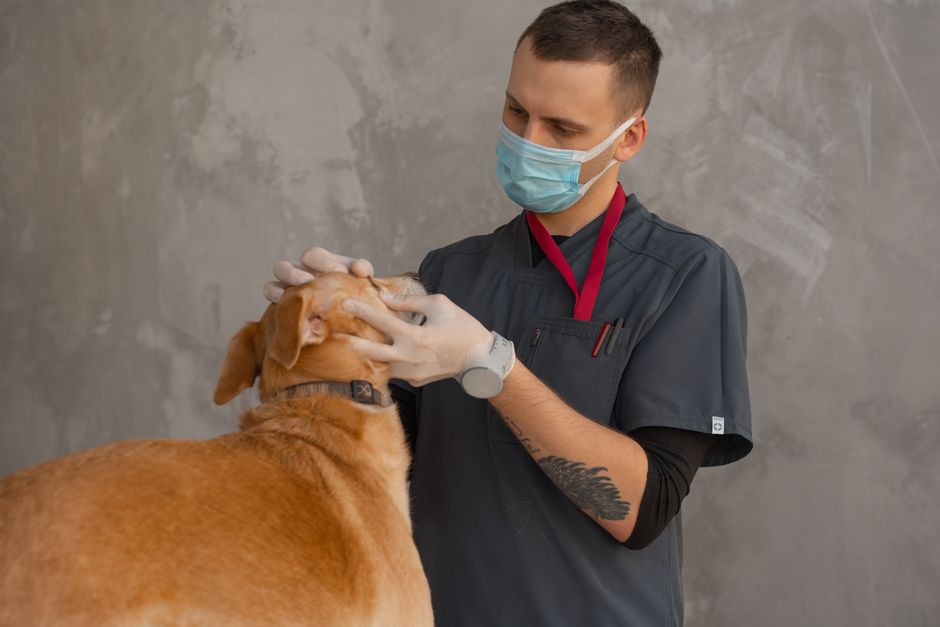
When your pet develops skin, ear, or paw problems during wet weather, our veterinary team at Haddon Veterinary Clinic is prepared to provide thorough, compassionate care. During your visit, we begin with a comprehensive wellness examination to assess your pet’s overall health and pinpoint the underlying cause of their symptoms. If we suspect a skin infection, diagnostics such as skin scrapings or cytology may be performed to identify the type of bacteria or yeast involved. Ear infections are evaluated using an otoscope and, if necessary, a sample of discharge is analyzed to determine the most effective treatment.
Treatment approaches for skin and ear infections typically involve cleaning the affected area and applying topical or oral medications tailored to your pet’s needs. For example, medicated shampoos or sprays may be used to soothe irritated skin, while prescription ear drops address infections in the ear canal. If allergies are suspected, our team can discuss allergy testing to better understand your pet’s triggers and develop a long-term management plan.
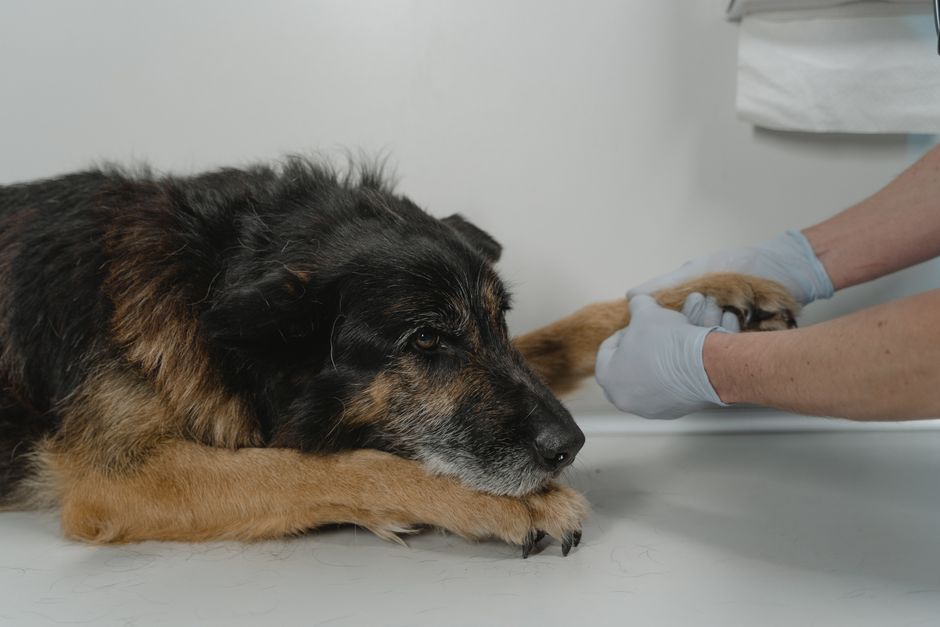
For paw injuries or cracked pads, gentle cleaning, protective bandaging, and specialized ointments help promote healing. Severe cases, such as abscesses or persistent infections, may require additional therapies or follow-up appointments to ensure complete recovery. Throughout every step, our veterinary professionals work closely with you to customize a treatment plan that fits your pet’s lifestyle and your family’s needs.
Preventing Skin, Ear, and Paw Problems at Home
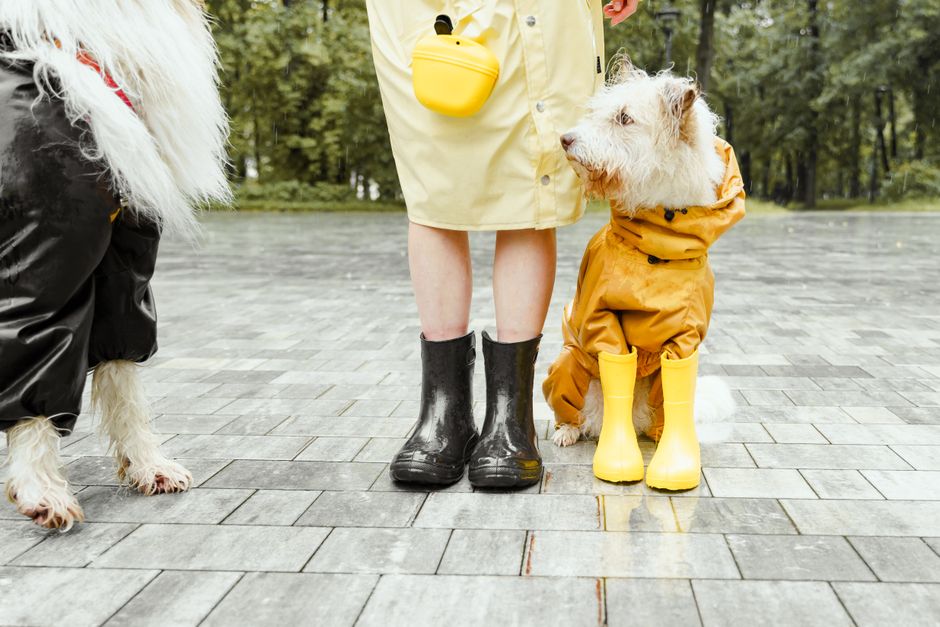
While wet September weather is a fact of life in Haddon Heights, many of the season’s common pet health issues can be minimized with a few simple home care strategies. After outdoor walks or playtime, thoroughly dry your dog’s or cat’s paws with a clean towel, paying special attention to the areas between the toes. For pets with long hair, gently remove any mud or debris clinging to their fur before it dries and mats. Regular brushing helps remove loose hair, dirt, and allergens, reducing the risk of skin irritation.
Keeping your pet’s ears clean and dry is especially important during humid weather. Your veterinarian can recommend a safe ear cleaning solution and demonstrate the best technique to prevent moisture buildup. For dogs that enjoy swimming or get caught in the rain, check their ears and skin folds after each outing and dry them thoroughly. Indoors, maintaining proper humidity levels with a dehumidifier can help reduce the risk of skin and ear issues, particularly for sensitive pets.
If your dog or cat suffers from seasonal allergies, regular bathing with hypoallergenic shampoos and prompt cleaning after exposure to outdoor allergens can provide relief. Monitoring your pet’s paws for cuts or abrasions and keeping nails trimmed also helps prevent mud from collecting and causing irritation. Following these preventive steps, along with routine preventive veterinary care, can go a long way in keeping your companion comfortable during the wet fall months.
When to Schedule a Veterinary Visit
Certain symptoms indicate it is time to schedule an appointment with your veterinarian rather than trying to manage the issue at home. If your dog or cat develops persistent redness, swelling, foul odors, or discharge from the skin or ears, these are signs of infection that require professional treatment. Excessive scratching, licking, or hair loss that does not improve with basic home care may also signal a deeper problem. Limping, reluctance to walk, or visible pain in the paws should be addressed promptly to rule out injury or embedded debris. If your pet has a history of allergies and begins to show signs of a flare-up during rainy weather, early veterinary intervention can prevent the condition from worsening.
At Haddon Veterinary Clinic, our team of veterinarians is experienced in diagnosing and treating wet weather-related health concerns. We recommend not delaying care, as prompt attention leads to quicker relief and reduces the risk of complications. If you are ever unsure whether your pet’s symptoms require a professional evaluation, it is always best to err on the side of caution and reach out to our clinic for guidance.
Keeping Pets Safe and Comfortable All Fall
September’s rainy days do not have to mean health hassles for your dog or cat. By staying alert to early warning signs, practicing good preventive care, and partnering with your local veterinary team, you can ensure your companion enjoys a healthy, happy autumn. At Haddon Veterinary Clinic, we are committed to supporting pet owners in Haddon Heights and surrounding communities with personalized care and practical advice. If you have questions about your pet’s skin, ears, or overall wellbeing this season, our team is always here to help.
To schedule a wellness examination or discuss preventive strategies tailored to your pet, call us at (856) 263-2888 or stop by our convenient location at 2 2nd Ave, Haddon Heights, NJ 08035. For more information on our services, including vaccination options and allergy management, visit our website. The next time you search for a veterinarian near me, remember that Haddon Veterinary Clinic is your trusted partner in keeping your pet healthy—rain or shine.