.png)
How to Prepare Your Pet for Fall Weather Changes
How to Prepare Your Pet for Fall Weather Changes
As the leaves begin to turn and temperatures drop in Haddon Heights, many pet owners notice their dogs and cats responding to the shift in seasons. While fall brings beautiful scenery and crisp air, it also introduces new challenges for keeping your pet healthy and comfortable. At Haddon Veterinary Clinic, we understand how important it is to help your companion adjust to September’s changing weather and increased rain. We offer comprehensive care from wellness exams to preventive services in our fully equipped facility at 2 2nd Ave, Haddon Heights, NJ 08035. In this blog, we’ll explore key steps to prepare your pet for fall, including outdoor safety tips, coat and paw care, and how to spot seasonal health concerns. By understanding what to watch for and how to respond, you can help your pet thrive throughout autumn.
Recognizing Fall-Related Changes in Your Pet
Every pet reacts differently as the seasons shift. Some dogs may become livelier as temperatures cool, while others might shy away from damp conditions or chilly winds. Cats that typically lounge in sunbeams may seek warmer spots as the days grow shorter. Common signs that your pet is feeling the effects of fall weather include increased shedding or thickening of their coat, muddy or irritated paws from wet ground, and hesitation to go outside during rain or wind. You may also notice sneezing, watery eyes, or scratching if your pet is sensitive to seasonal allergens that become more prevalent in autumn. Changes in appetite or energy, along with reluctance to exercise outdoors, can signal your pet is adjusting—or perhaps struggling—to the new conditions.
Why Fall Weather Affects Dogs and Cats
The transition from summer to fall brings a drop in temperature, increased rainfall, and fluctuating humidity levels in Haddon Heights. These environmental shifts can impact your pet’s comfort, skin, and immune system. Dogs and cats often shed their summer coats and develop thicker fur to prepare for the cooler months; however, this process can lead to extra dander and sometimes skin irritation. Wet leaves, mud, and standing water after rainstorms present new hazards, as your pet’s paws are exposed to more moisture and possible contaminants. Seasonal plants, mold spores, and outdoor allergens also become more prominent in the fall, which may trigger allergy symptoms in sensitive pets. Additionally, shorter days can disrupt your pet’s usual exercise and feeding routines, causing boredom or anxiety if not addressed.
Managing Fall Health Concerns: What You Can Do
Coat and Skin Care
Helping your dog or cat maintain a healthy coat is essential during the fall. Daily brushing removes loose fur and reduces mats, which are more likely to develop as pets shed their summer coats. Regular grooming also gives you the chance to check for skin irritation, hot spots, or signs of parasites. If you notice persistent itching, redness, or hair loss, consider scheduling a wellness examination with our veterinary team to rule out underlying issues.
Keeping your pet dry after outdoor activities is important. Gently towel off wet fur and thoroughly dry between your dog’s toes to prevent fungal infections. For cats that venture outside, provide cozy, dry resting spots indoors so they can warm up and groom themselves in comfort. If your pet’s skin seems dry or flaky, ask our veterinarians about moisturizing shampoos or dietary adjustments.
Paw Protection and Care
Fall weather means more puddles, wet leaves, and potential irritants on sidewalks and lawns. After walks, inspect your pet’s paws for cuts, embedded debris, or signs of irritation. Rinse muddy paws with warm water and dry them carefully to avoid chapping. Dogs that walk on salted sidewalks or chemically treated lawns are at risk for irritant dermatitis, so keep a close eye on the condition of their pads.
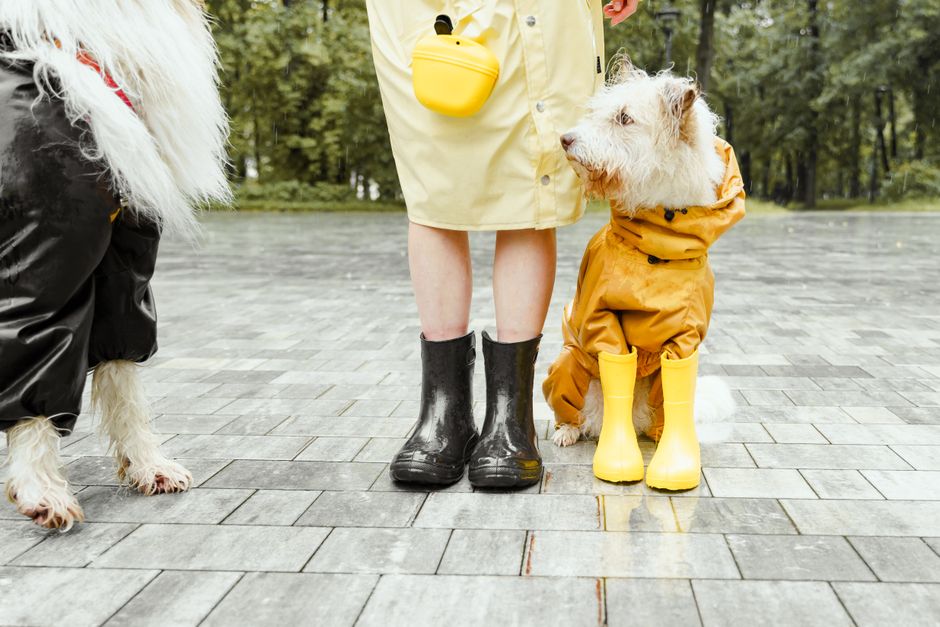
Trimming the hair between your dog’s toes can help keep paws cleaner and reduce the risk of mats. For pets especially sensitive to wet or cold surfaces, consider using pet-safe booties or paw balms to add a layer of protection. If you notice persistent redness, limping, or swelling, contact Haddon Veterinary Clinic for an evaluation.
Outdoor Safety and Activity Adjustments
Cooler weather often invigorates dogs, making fall a great time for longer walks and play sessions. However, shorter daylight hours mean you may need to adjust your routine. Choose well-lit areas and reflective gear for early morning or evening outings to keep both you and your pet visible. Be cautious of slippery leaves and hidden hazards under piles or puddles that can cause sprains or injuries.
Cats that normally roam outside should be monitored more closely as the weather turns. Wet fur and cold temperatures can quickly lead to discomfort, and curious cats may seek shelter in unsafe places, such as under cars. Providing interactive toys and indoor playtime can help satisfy your cat’s need for stimulation on dreary days.
Monitoring for Parasites and Allergies
While flea and tick populations may decrease slightly in the fall, these pests can still pose a risk, especially in the mild climate of Haddon Heights. Continue your pet’s parasite prevention program year-round. Mosquitoes that carry heartworm disease may remain active later in the season than you expect. Our team recommends regular heartworm testing and preventive medications to keep your pet protected.
Allergy symptoms can be particularly troublesome in the fall due to mold spores, decaying leaves, and late-blooming weeds. Signs of seasonal allergies in pets include frequent scratching, licking paws, watery eyes, sneezing, and ear infections. If your dog or cat develops these symptoms, our allergy testing services can help identify triggers and support tailored treatment plans.
Preventive Care at Home: Keeping Your Pet Comfortable
Consistent routines and attentive care make a big difference in how your pet adapts to fall. Feed your pet at regular times and maintain daily exercise, even if you need to get creative indoors. Place your pet’s bed away from drafts or damp entryways to ensure they have a warm, dry spot to rest. Wash bedding regularly to reduce allergens and keep your home fresh.
Regular grooming helps control shedding and reveals any developing skin or paw issues early. After outdoor activities, take a moment to check your pet’s fur, ears, and paws for debris, moisture, or signs of irritation. Consider adding omega-3 fatty acids to your pet’s diet with your veterinarian’s approval, as these nutrients support healthy skin and coats.
If you notice changes in your pet’s appetite, energy, or behavior as the weather changes, don’t hesitate to reach out to our veterinary professionals. Prompt attention to these shifts can prevent minor issues from becoming bigger health concerns.
When to Schedule a Veterinary Visit
While many fall adjustments can be managed at home, some situations require professional care. Schedule an appointment with Haddon Veterinary Clinic if your dog or cat has persistent coughing, sneezing, or nasal discharge that lasts more than a few days. Ongoing itching, hair loss, or skin sores need veterinary evaluation to identify and treat the underlying cause. Other warning signs that should prompt a visit include limping, swelling in the paws or joints, unexplained lethargy, or loss of appetite.
Our wellness examinations are designed to detect seasonal health challenges before they become serious. Early detection and preventive care can make all the difference in keeping your pet healthy throughout the fall and beyond. If you ever face an urgent issue, our emergency veterinary care page provides guidance on what to do and how to reach us for immediate support.
Why Choose Haddon Veterinary Clinic for Fall Pet Care
As your local partner in pet health, Haddon Veterinary Clinic is committed to helping dogs and cats in Haddon Heights and surrounding communities enjoy every season. Our experienced veterinary team offers a full range of services, including preventive care, wellness exams, parasite protection, and advanced diagnostics. We understand the unique needs that come with autumn weather and are here to support you with tailored advice and compassionate care.
When searching for a veterinarian near me who understands the seasonal challenges of our area, you can trust our team to provide the highest quality medical and surgical care for your pet. If you have questions about fall health concerns or want to schedule an appointment, call us at (856) 263-2888 or visit our clinic at 2 2nd Ave, Haddon Heights, NJ 08035. We look forward to helping your dog or cat enjoy a healthy, happy autumn season.
This blog is intended for educational purposes only and does not replace professional veterinary advice. Always consult with your veterinarian for specific concerns about your pet’s health.