.png)
How to Keep Your Pet Safe During a Storm
How to Keep Your Pet Safe During a Storm
Storms in Haddon Heights can bring more than just blustery winds and heavy rain; they can create real challenges for pets and their families. Whether it’s a winter squall, a summer thunderstorm, or a sudden Nor’easter, knowing how to keep a pet safe during a storm is vital for every dog and cat owner in our community. At Haddon Veterinary Clinic, our veterinarians understand the worries you face when storms roll in, and we’re here to help you prepare, protect, and comfort your furry family members before, during, and after severe weather. In this blog, we’ll explore the signs that your pet might be stressed by storms, the reasons behind these reactions, practical steps you can take at home, and when it’s time to reach out for professional veterinary support. As your trusted partner in pet wellness at 2 2nd Ave, Haddon Heights, NJ 08035, we’re committed to keeping the pets of Haddon Heights and surrounding communities safe and healthy in any weather.
Recognizing When Your Pet Is Affected by Storms
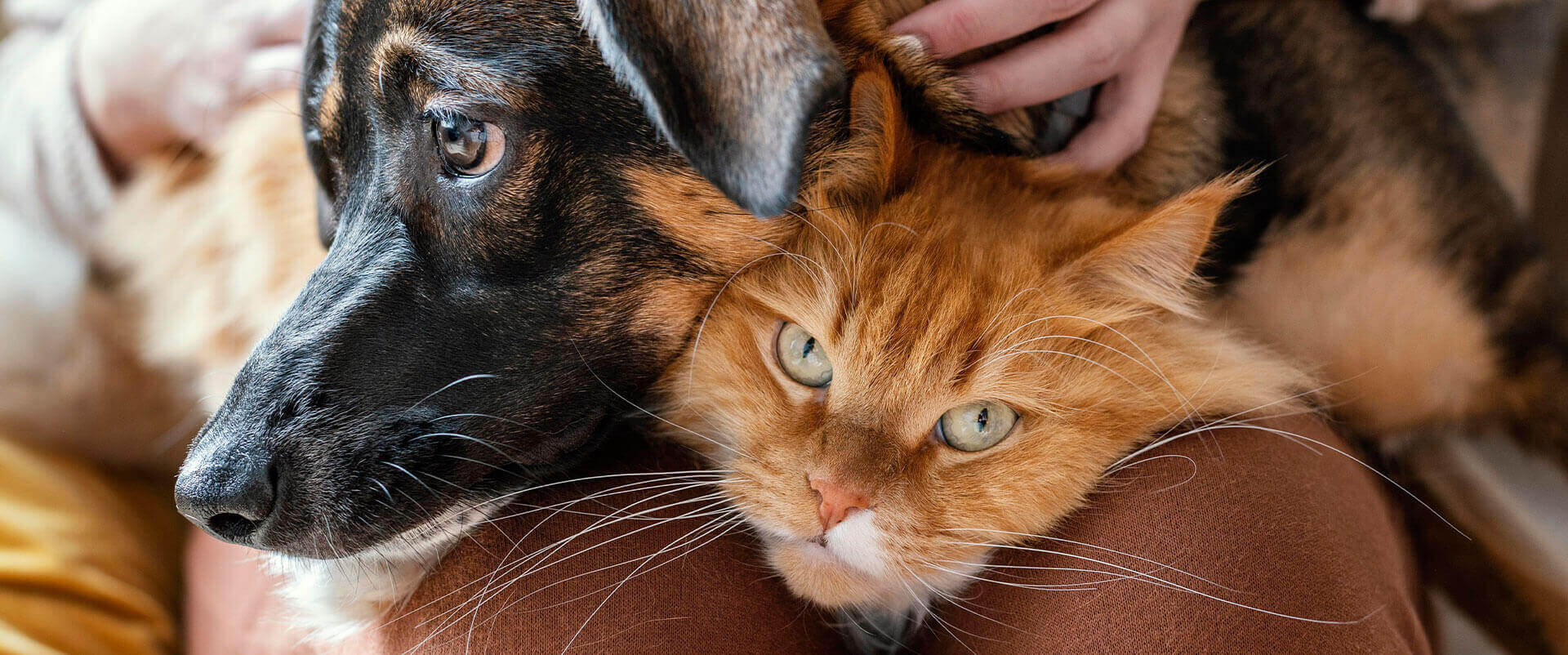
Many pets experience anxiety or discomfort during storms, but the signs are not always obvious at first. Key symptoms of storm-related stress in pets include pacing or restlessness, trembling, panting, or drooling even when the temperature is cool. Other behaviors to watch for are hiding under furniture, seeking extra attention, vocalizing more than usual, or trying to escape from the home or yard. Some pets may become clingy, while others might withdraw and isolate themselves. In severe cases, dogs or cats may have accidents indoors despite being house-trained, or they could refuse food and water.
If you notice changes in your pet’s behavior when the weather shifts, such as increased anxiety whenever thunder rumbles or winds pick up, these could be clear indicators that your pet is sensitive to storms. Recognizing these signs early is the first step in learning how to keep a pet safe during a storm and helps you intervene before anxiety escalates.
Why Storms Are Stressful for Pets
Understanding the causes behind your pet’s storm-related reactions helps you support them more effectively. Sudden weather changes can trigger anxiety in pets for several reasons. Loud noises such as thunder, howling winds, or even hail hitting the windows can be startling to sensitive ears. Flashing lightning, changes in barometric pressure, and the static electricity that often accompanies storms may also contribute to discomfort. Dogs, in particular, have remarkable hearing and may pick up distant rumbles long before we do.
Additionally, pets are highly attuned to their owners’ emotions. If you feel anxious during a storm, your pet may mirror your unease. For some animals, past negative experiences with storms can lead to learned fear responses, making each new weather event more stressful. Finally, changes in household routine—such as losing power, altering feeding times, or rearranging furniture to prevent damage—can add to a pet’s sense of insecurity.
How to Keep a Pet Safe During a Storm: Practical Steps for Haddon Heights Pet Owners
When severe weather is in the forecast, preparation is your best ally. The process of how to keep a pet safe during a storm involves a combination of physical safety measures and emotional support, tailored to your pet’s unique needs.
Start by creating a safe, comfortable space where your pet can retreat. This could be a quiet room away from windows, a familiar crate lined with soft bedding, or a cozy corner with some of their favorite toys. Playing calming music or using white noise machines can help mask the sounds of the storm. For pets prone to anxiety, consider using products designed to reduce stress, such as anxiety wraps or pheromone diffusers, but always consult with your veterinarian before introducing new items.
Ensure your pet’s identification is current and secure. Microchipping is an excellent safety measure, and tags should include up-to-date contact information. During storms, frightened pets may bolt through an open door or window, so double-check that your home is secure and all exits are closed.
If your pet is due for a wellness exam or needs preventive care to address underlying health conditions that could worsen with stress, scheduling an appointment with our veterinarians in Haddon Heights is a proactive way to keep your pet in optimal health. You can learn more about the preventive steps that support pet wellness by visiting our page on preventative care services and tips to keep your pet healthy and safe.
During the storm, stay calm and offer gentle reassurance without overwhelming your pet. Allow them to choose whether to stay close or seek solitude. Comforting routines, such as regular feeding and playtime, help maintain a sense of normalcy. If your pet needs to go outside for bathroom breaks, use a leash even in a fenced yard to prevent them from running off if startled.
Home Safety and Emergency Preparedness for Storms
Preparing your home for storm season is a crucial part of how to keep a pet safe during a storm. Assemble an emergency kit that includes food, water, medications, and copies of medical records for each pet. Keep this kit in an easily accessible location so you’re ready in case you need to evacuate or shelter in place. Other essentials include extra bedding, leashes, waste bags, and a recent photo of your pet for identification.
In the event of power outages, have flashlights and extra batteries on hand, and know where your pet’s carrier is located for quick access. If your home loses heat during a winter storm, keep pets warm with blankets and limit their exposure to cold floors or drafts. Cats, especially, may seek warmth in unsafe places, so monitor them closely.
It’s also wise to keep your veterinarian’s contact information readily available. If your pet experiences an urgent health issue during a storm, such as difficulty breathing, severe anxiety, or injury, reach out to our veterinary team for guidance. For more information on what to do in a pet emergency, you can visit our page on emergency veterinary care.
When to Seek Veterinary Help for Storm-Related Issues
Most pets can be comforted and protected at home during storms, but some situations require professional support. Seek veterinary care if your pet shows persistent signs of distress that do not improve after the storm passes, such as ongoing trembling, refusal to eat or drink, or destructive behaviors that put them at risk. Pets with pre-existing health conditions, very young animals, or seniors may be more vulnerable to the effects of storm-related stress and should be monitored closely.
If your pet has a history of severe storm anxiety, our veterinarians may recommend behavioral training, prescription medications, or referral to a veterinary behaviorist. Never give your pet over-the-counter medications or supplements without consulting a veterinarian, as some substances can be harmful or interact with other treatments.
Prompt veterinary attention is especially important if your pet becomes injured or escapes during a storm. In these cases, time is of the essence to ensure their safety and recovery. Always have a plan for how you will transport your pet to 2 2nd Ave, Haddon Heights, NJ 08035 or another safe location if needed.
Preventive Care: Building Resilience for Future Storms
Proactively addressing your pet’s health and wellness can make a significant difference in how they cope with storms. Keeping up with regular check-ups, vaccinations, and wellness screenings helps identify and manage any underlying health conditions that could worsen with stress. Our veterinary professionals can also offer guidance on desensitization techniques, which involve gradually exposing your pet to storm-like sounds in a controlled environment to reduce sensitivity over time.
For pets with ongoing anxiety, holistic therapies such as acupuncture, food therapy, or herbal remedies may be beneficial. Discuss these options with our team to develop a plan that aligns with your pet’s needs and your family’s lifestyle. Information on our full range of services is available on our website, and we encourage you to reach out for personalized advice tailored to your pet’s health history.
Conclusion: Your Partner in Storm Safety and Pet Wellness
Storms can be unsettling for both pets and their families, but with preparation and support, you can keep your furry companions calm, secure, and healthy. The most effective approach for how to keep a pet safe during a storm involves understanding your pet’s unique triggers, taking preventive measures at home, and knowing when to seek professional veterinary care.
At Haddon Veterinary Clinic, we are dedicated to partnering with you through every season, offering expert advice and compassionate care for the pets of Haddon Heights and surrounding communities. If you would like personalized recommendations, need help preparing an emergency kit, or want to schedule a wellness exam, our veterinary team is here for you. Simply call (856) 263-2888 to book an appointment or visit us at 2 2nd Ave, Haddon Heights, NJ 08035.
When searching for a vet near me, choose a clinic that understands the unique needs of your pets and your family. For more tips on preventive care, visit our preventative care services and tips to keep your pet healthy and safe page, or contact our veterinary professionals for expert support. Your pet’s comfort and safety are our highest priorities, no matter what the weather brings.