.png)
Why Is My Cat Vomiting? Causes and Care
Why Is My Cat Vomiting? Causes and Care
Vomiting in cats is a problem that can be as unsettling for pet owners as it is uncomfortable for your feline companion. If you have ever found your cat retching or cleaning up an unexpected mess, you are not alone. At Haddon Veterinary Clinic, located at 2 2nd Ave, Haddon Heights, NJ 08035, our experienced veterinary team frequently helps pet owners from Haddon Heights and surrounding communities understand cat vomiting causes and the steps needed to restore feline health. This blog will help you navigate the potential reasons behind your cat’s vomiting, recognize important cat health symptoms, and know when to seek professional care. We will discuss the most common triggers, what you can do at home, and how our veterinarians can support your pet with comprehensive veterinary services in Haddon Heights.
Vomiting in cats can be a simple issue such as a hairball, or it may signal a serious underlying health concern. Recognizing the difference is crucial. If you are searching for a vet near me or want to learn more about preventative care services for your cat, let us guide you through the process of keeping your feline friend healthy and comfortable.
Recognizing Vomiting in Cats: What Pet Owners Should Watch For
It can be distressing to see your cat vomit, especially if it happens more than once. Cats may bring up food, foam, or hairballs. Signs that vomiting is a concern include repeated episodes in a short period, vomiting that is accompanied by lethargy or loss of appetite, or the presence of blood. Other cat health symptoms that can be linked to vomiting are weight loss, dehydration, drooling, and changes in behavior or litter box use.
Sometimes, a cat will vomit occasionally and seem perfectly well otherwise. However, frequent vomiting, especially if it is paired with diarrhea or signs of pain, should be taken seriously. Owners in Haddon Heights and nearby areas such as Haddonfield or Audubon should be vigilant if their cat is vomiting more than once per week, or if the vomiting is severe and persistent.
Key symptoms that require attention include vomiting that lasts more than a day, persistent dry heaving, or evidence of your cat straining without producing anything. Additional warning signs are refusal to eat for more than 24 hours, pale or yellow gums, and noticeable abdominal discomfort. If you observe any of these, a prompt wellness examination with our veterinary professionals is recommended to rule out more serious cat health symptoms.
Cat Vomiting Causes: Understanding the Underlying Reasons
Vomiting in cats can arise from many sources, ranging from mild to severe. Common cat vomiting causes include hairballs, dietary indiscretion (such as eating spoiled food or non-food items), and sudden changes in diet. Stress or anxiety can also play a role, particularly if there has been a recent move or change in the household. In some cases, cats are sensitive to certain foods or ingredients, resulting in gastrointestinal upset.
More serious medical conditions can also be responsible. Feline vomiting may be linked to infections, parasites, inflammatory bowel disease, kidney or liver disease, pancreatitis, hyperthyroidism, or even ingestion of toxins. Food allergies or intolerances are another frequent trigger, and in multi-pet households, competition for food can lead to rapid eating and regurgitation.
Occasional vomiting due to hairballs is typical, especially in long-haired breeds. However, regular or severe vomiting can be a sign of a deeper health issue. Diagnostic tests, such as bloodwork, urinalysis, and pet diagnostic laboratory services in Haddon Heights, help our veterinary team identify specific causes and tailor treatment to your cat’s individual needs.
Treatment Options for Cat Vomiting: What to Expect from Your Veterinarian
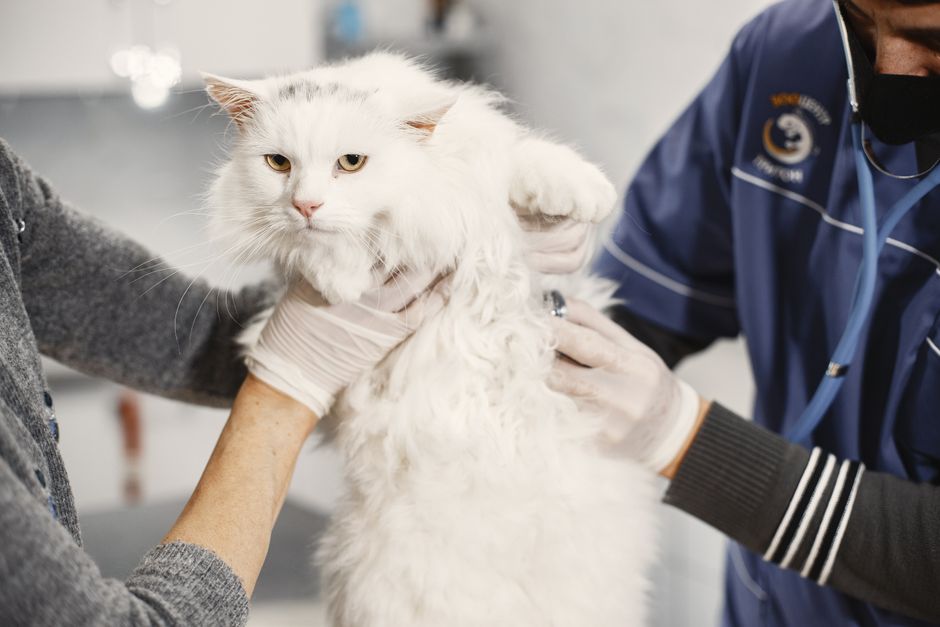
When you bring your cat to Haddon Veterinary Clinic for vomiting, our veterinarians will begin with a thorough history and physical examination. The conversation may include questions about your cat’s recent diet, behavior changes, access to toxins or plants, and the appearance of vomit. Based on your cat’s symptoms and overall health, diagnostic tests may be recommended to evaluate for underlying diseases.
Treatment approaches for cat vomiting depend on the severity and cause. For mild cases, such as hairballs or minor dietary upsets, supportive care and dietary adjustments may be sufficient. Prescription diets, anti-nausea medications, or hairball remedies can be provided if appropriate.
If a more serious health issue is suspected, our veterinary professionals may recommend laboratory tests, imaging such as digital radiology services in Haddon Heights, or even ultrasound to investigate further. In some situations, hospitalization for intravenous fluids or more advanced care may be needed, especially if dehydration or organ dysfunction is present.
Our team is committed to clear communication, so we will always explain what tests are being done, what treatment options are available, and what you can expect for your cat’s recovery. If your cat requires specialized therapies, such as physical therapy to aid recovery, we will discuss these options as part of a comprehensive care plan.
Home Care and Prevention: Steps to Support Your Cat’s Health
While some causes of vomiting cannot be prevented, many can be managed with attentive home care. Feeding your cat a high-quality, easily digestible diet and avoiding sudden food changes can minimize stomach upset. Preventing access to plants, string, rubber bands, and other non-food objects is important for curious cats.
Regular grooming, especially for long-haired breeds, helps reduce hairball formation. Providing fresh water at all times supports hydration, and feeding smaller, more frequent meals can help cats that tend to eat too quickly. Reducing stress in the home, such as keeping a consistent routine and providing enrichment, can help cats that are prone to anxiety-related vomiting.
Annual wellness examinations for your cat in Haddon Heights allow our veterinary team to catch early signs of illness and keep your pet on track with preventive care. For cats with known allergies or sensitivities, your veterinarian may suggest tailored diets or pet allergy testing services to identify problematic ingredients.
When to Seek Veterinary Care: Knowing When Vomiting Is an Emergency
While occasional vomiting is common in cats, there are specific situations where immediate veterinary attention is crucial. If your cat is repeatedly vomiting, unable to keep water down, or showing signs of distress, do not wait. Severe symptoms such as blood in the vomit, collapse, weakness, or a distended abdomen should prompt a call to your veterinarian right away.
If you are unsure whether your cat’s vomiting is an emergency, it is always safer to seek professional guidance. Cats are experts at hiding illness, and delaying care can lead to more serious complications. Our veterinary professionals at Haddon Veterinary Clinic are equipped to handle a wide range of feline health concerns, from mild digestive upset to urgent medical conditions.
For ongoing or chronic vomiting, schedule an appointment for a comprehensive evaluation. Timely intervention can make a significant difference in your cat’s comfort and long-term health. If you need urgent guidance, our emergency veterinary care information page provides additional resources and contact details for after-hours support.
Keeping Your Cat Healthy in Haddon Heights and Beyond
Vomiting in cats can range from a minor inconvenience to a sign of serious illness. By understanding cat vomiting causes and monitoring for important cat health symptoms, you can be proactive in supporting your feline friend’s wellbeing. If you notice persistent vomiting or other concerning signs, our veterinary team at Haddon Veterinary Clinic is here to help.
We encourage you to schedule an appointment for a wellness examination or to discuss any concerns about your cat’s health. Our commitment to providing quality veterinary services in Haddon Heights and surrounding communities means your pet will receive the individualized care they deserve. If you have been searching for a vet near me who truly understands feline health, you can rely on our team’s expertise and compassion.
To book a visit or ask questions about cat vomiting and related services, call us at (856) 263-2888 or visit us at 2 2nd Ave, Haddon Heights, NJ 08035. We look forward to partnering with you to ensure a happy, healthy life for your cat. For more information about preventative care services for your pet, browse our website or reach out to our knowledgeable veterinary professionals today.
This blog is intended for informational purposes only and should not replace professional veterinary advice. Always consult your veterinarian for specific guidance regarding your cat’s health.