.png)
Cold Weather Risks for Pets in Haddon Heights

Cold Weather Risks for Pets in Haddon Heights
As winter settles in and Haddon Heights transforms into a chilly landscape, many pet owners find themselves worrying about how cold temperatures, snow, and ice may affect their beloved companions. February in southern New Jersey often brings unpredictable weather, and while cozy nights indoors can be delightful, the outdoors presents unique risks for dogs and cats alike. At Haddon Veterinary Clinic, we understand just how important it is to keep your pet safe during the coldest months. In this guide, our veterinary team will walk you through the key dangers that winter can bring, including frostbite, hypothermia, and other seasonal challenges. We will also share practical steps you can take to protect your pet and describe when it is time to seek professional veterinary care. Whether you live right here in 2 2nd Ave, Haddon Heights, NJ 08035 or in one of the surrounding communities, our goal is to help you keep your dog or cat healthy, comfortable, and happy all winter long.
Winter can be magical, but it also brings risks that are easy to overlook. Understanding these dangers and knowing what to watch for can make all the difference for your pet’s wellbeing. Let’s explore what every pet owner should know about cold weather safety.
Recognizing Cold Weather Risks: Signs Your Pet May Be in Trouble
When temperatures drop, pets can face a variety of health threats, some of which may not be immediately obvious. For dogs and cats, the most common winter-related issues include hypothermia, frostbite, and injuries from ice or chemical de-icers. Warning signs of cold-related illness include shivering, lethargy, whining or vocalizing, and reluctance to walk or play outside. Some pets may develop pale or bluish skin, particularly on their ears, tail, or paws, which can indicate the early stages of frostbite. You might also notice that your pet seems stiff, limps after being outdoors, or repeatedly lifts their paws due to discomfort from snow and ice.
In more severe cases, symptoms of hypothermia can progress to weakness, confusion, slowed breathing, and even collapse. Cats, being naturally more secretive, may simply hide or seek the warmest spot they can find if they are feeling unwell. Dogs may become anxious or clingy, signaling their discomfort. It is important to pay attention to subtle changes in behavior during cold spells, as these can be early warning signs of a developing problem.
Why Cold Weather Harms Pets: Underlying Causes and Contributing Factors
Dogs and cats have natural adaptations that help them cope with cooler temperatures, but these have limits. Short-haired breeds, elderly pets, kittens, and puppies are especially vulnerable because they lose body heat more quickly. Pets with underlying health conditions such as arthritis, endocrine disorders, or heart disease may also struggle to regulate their temperature. Even healthy adult pets can be at risk if exposed to cold, wet, or windy conditions for extended periods.
Frostbite occurs when tissue freezes due to prolonged exposure to cold. The extremities—including ears, tail, and toes—are particularly susceptible because they have less insulation and blood flow. Hypothermia develops when a pet’s core body temperature drops below normal, usually after spending too much time in the cold or getting wet. Both conditions can develop more quickly than many owners realize, especially during windy days or after contact with icy water.
Another seasonal hazard involves chemical ice melts and road salts, which can irritate paws and cause illness if licked off fur. Hidden dangers like antifreeze spills are also a serious concern, as even small amounts can be highly toxic to pets. Navigating icy sidewalks and driveways increases the risk of slips, falls, and injuries, particularly for older pets or those with mobility issues.
Veterinary Treatment and Management of Cold Weather Injuries
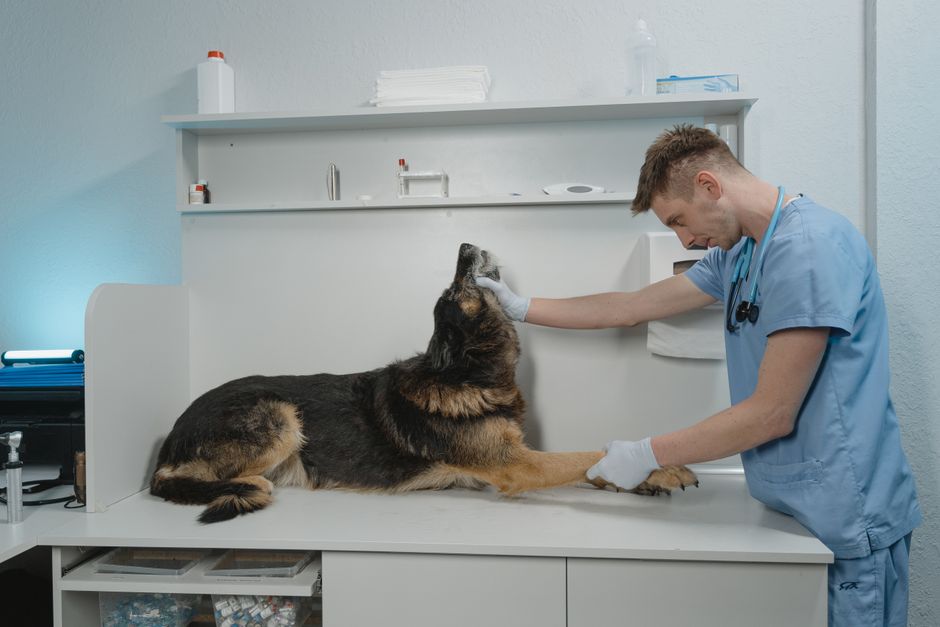
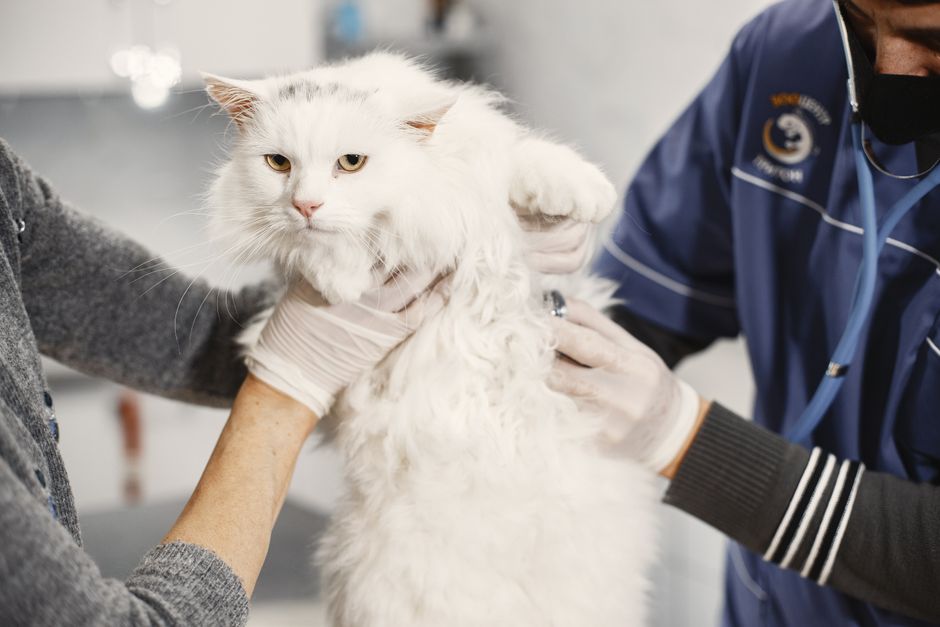
If your pet develops signs of frostbite or hypothermia, prompt veterinary care is essential. At Haddon Veterinary Clinic, our veterinarians are equipped to assess the severity of your pet’s condition and provide the necessary supportive care. Treatment for hypothermia may involve gentle rewarming using blankets, warm fluids, and close monitoring of vital signs. In more serious cases, your pet may require intravenous fluids, oxygen therapy, or additional support to stabilize their body temperature.
Frostbite is managed by gradually warming the affected areas and preventing further injury. Our veterinary professionals will examine damaged tissue, provide pain control, and treat any secondary infections that may arise. In some situations, more advanced care may be needed if tissue damage is severe; your veterinarian will discuss all options with you to ensure the best possible outcome for your pet.
For pets who experience joint stiffness or pain after slipping on ice, our team may recommend therapies such as physical therapy or laser therapy to aid in recovery and provide relief. These services can help reduce inflammation, promote healing, and improve your pet’s comfort during the winter months.
Preventing Cold Weather Problems: Practical Steps for Pet Owners
Taking proactive measures to protect your pet from winter’s chill can keep them safe and comfortable. Limit the time your dog or cat spends outdoors during particularly cold or windy days. Always provide a warm, dry shelter for outdoor breaks, and never leave pets unattended outside for extended periods. For dogs who love winter walks, consider using a pet-safe jacket or sweater, especially for short-haired or elderly dogs. Booties can protect paws from ice, salt, and chemical de-icers, while regular paw checks after walks help you spot any cracking or irritation early.
After each outing, gently wipe your pet’s paws, legs, and belly to remove moisture, salt, and chemicals that could cause irritation or be ingested. Keep your home environment cozy, offering plenty of soft bedding away from drafts. For pets with arthritis or mobility issues, heated beds or mats can provide extra comfort and reduce stiffness.
Maintaining regular wellness visits with your veterinarian is also key to identifying underlying health issues that might make your pet more susceptible to cold weather injuries. For ongoing guidance and support, our preventative care services are designed to help you keep your pet healthy year-round, regardless of the season.
When to Seek Veterinary Care for Cold Weather Concerns
It is important to recognize when your pet’s symptoms require immediate attention from a veterinarian. Seek veterinary care right away if your pet is shivering uncontrollably, seems weak or disoriented, has pale or blue-tinged skin, or shows signs of pain or swelling in their ears, tail, or paws. Persistent limping, lethargy, or changes in breathing patterns are also causes for concern. If your pet has been exposed to extreme cold, becomes wet and chilled, or has come into contact with antifreeze or de-icing chemicals, do not wait to reach out for help.
Our veterinary team at Haddon Veterinary Clinic is here to provide compassionate, expert care for your pet throughout the winter. Early intervention can make a significant difference in recovery and comfort, so never hesitate to call us with your concerns. For after-hours emergencies or urgent questions, please refer to our emergency veterinary care information for guidance on what to do next.
Keeping Your Pet Safe This Winter: Partnering With Your Local Veterinarian
Winter in Haddon Heights can be beautiful, but it requires extra vigilance when it comes to your pet’s health and safety. By staying alert to the signs of cold-related issues, taking preventive steps, and maintaining regular communication with your veterinarian, you can ensure your dog or cat enjoys a healthy and comfortable season. Remember that even short exposure to cold or ice can be risky for vulnerable pets, so err on the side of caution and trust your instincts if you notice changes in your pet’s behavior.
If you have questions about winter safety, want to schedule a wellness visit, or need advice tailored to your pet’s unique needs, the veterinary professionals at Haddon Veterinary Clinic are here to help. When you are searching for a veterinarian near me, know that our experienced team is committed to supporting you and your pet every step of the way. To schedule an appointment or discuss concerns about cold weather risks, please call us at (856) 263-2888 or visit us in person at 2 2nd Ave, Haddon Heights, NJ 08035. Together, we can make this winter safe and enjoyable for every member of your furry family.
For more information on keeping your pet healthy all year, explore our preventative care services or ask about our seasonal wellness recommendations during your next visit. Stay warm, stay safe, and let us know how we can support your pet’s wellbeing this winter.
This blog is intended for educational purposes only and should not replace professional veterinary advice. If you have concerns about your pet’s health, always consult with your veterinarian.