.png)
Managing Your Pet’s Allergies in Haddon Heights This Winter

Managing Your Pet’s Allergies in Haddon Heights This Winter
If you have noticed your dog or cat sneezing, scratching, or feeling more uncomfortable this February, you are not alone. Winter in Haddon Heights brings a unique set of challenges for pets prone to allergies. While most people associate allergies with spring or summer, the cold months can also trigger reactions that leave your furry companion feeling less than their best. At Haddon Veterinary Clinic, we understand how frustrating it can be to see your pet itching, licking, or suffering from watery eyes during the winter. Our fully equipped facility at 2 2nd Ave, Haddon Heights, NJ 08035 is dedicated to providing progressive, personalized care for pets throughout Haddon Heights and the surrounding communities.
In this blog, our veterinary team will help you recognize the signs of winter allergies in pets, explain why these reactions happen, and share effective ways to manage your pet’s symptoms at home and through veterinary care. You will also learn when it is time to schedule an appointment to ensure your pet receives the relief they deserve. If you are looking for guidance on managing pet allergies or considering allergy testing for your pet, you are in the right place.
Recognizing Winter Allergy Symptoms in Pets
It can be difficult to distinguish winter allergies from other seasonal discomforts, especially since some symptoms overlap with common winter ailments. However, there are several telltale signs to watch for if you suspect your pet is suffering from allergies during the colder months. Symptoms include increased scratching or licking, frequent sneezing, watery or red eyes, and patches of dry, flaky skin. Some pets may develop ear infections, show signs of hair loss, or have irritated paws from exposure to salt or de-icing chemicals. Other common indicators include reverse sneezing in dogs, a persistent cough, or gastrointestinal upset in response to certain allergens.
You may notice your cat grooming excessively or your dog rubbing their face along furniture after coming inside from a winter walk. These behaviors are often your pet’s way of relieving itchiness or irritation. It is important to pay attention to any changes in your pet’s routine or appearance, as allergies can worsen without proper intervention.
Why Pets Get Allergies in Winter
You might wonder why your pet is experiencing allergy symptoms in a season typically associated with fewer environmental allergens. While pollen and grass are less common in winter, indoor allergens and environmental factors can become more concentrated as households close up to keep out the cold. Common triggers include dust mites, mold spores from damp basements, and airborne irritants released by heating systems. Additionally, pets spending more time indoors can be exposed to household cleaners, scented candles, or synthetic fabrics that may cause allergic reactions.
Salt, sand, and chemical de-icers on sidewalks are prevalent in Haddon Heights during snowy months. These substances can irritate your pet’s skin and paws, leading to inflammation or secondary infections. Dry air from indoor heating can also strip moisture from your pet’s skin, making existing allergies worse. Some pets have food sensitivities that may become more noticeable in winter, especially if dietary routines change with the season.
Understanding these triggers is key to helping your pet feel their best throughout the winter. Our veterinary professionals can help you determine the specific causes affecting your dog or cat and create a customized plan to address your pet’s unique needs.
Veterinary Treatment and Management Options
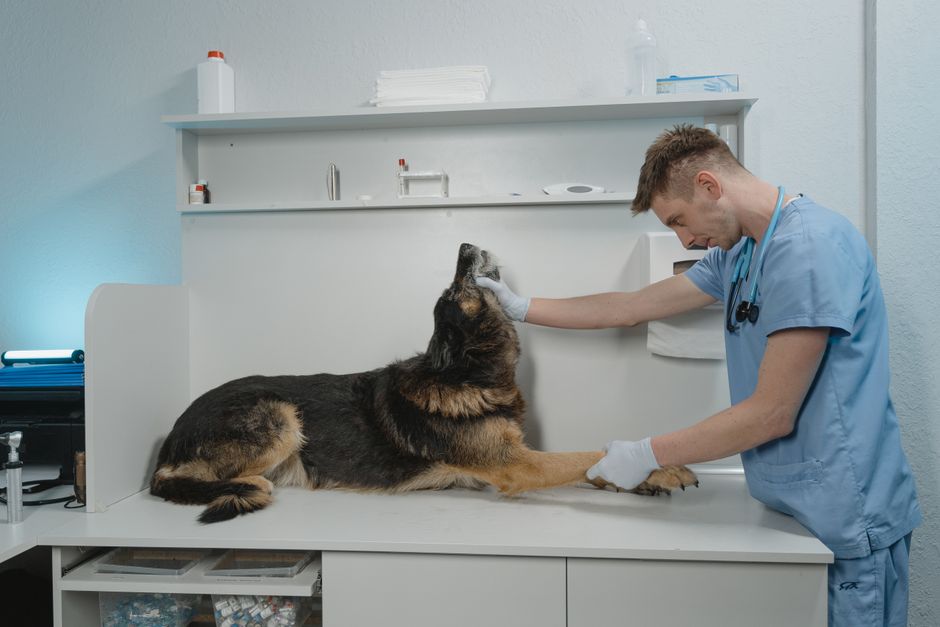
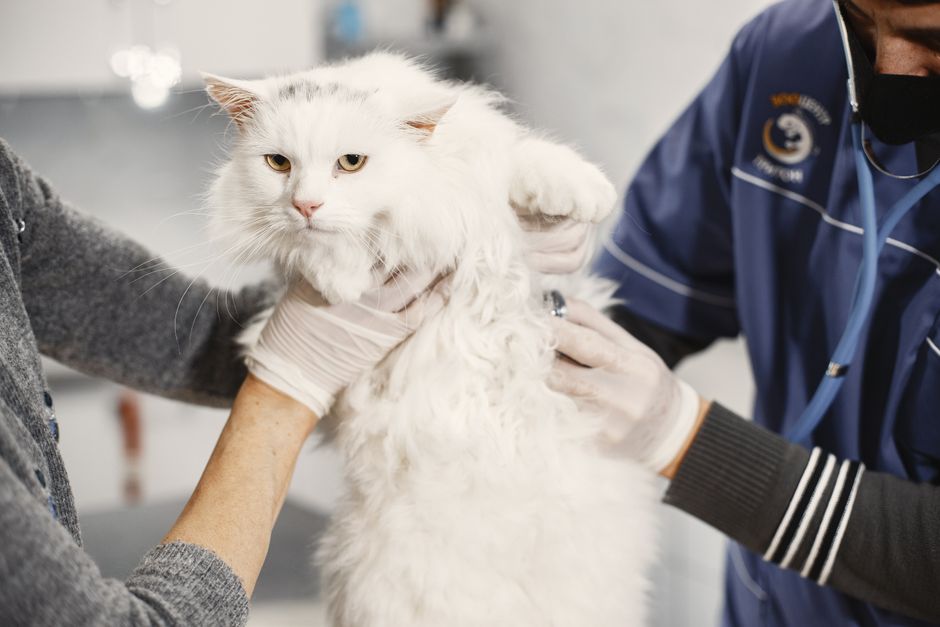
When your pet's allergies are causing discomfort, professional veterinary care is the most effective way to provide relief and prevent complications. At Haddon Veterinary Clinic, our approach begins with a thorough physical examination and a discussion of your pet’s recent symptoms, environment, and diet. If allergies are suspected, our veterinarians may recommend allergy testing for your pet to identify the underlying triggers and guide treatment decisions.
Treatment options for winter allergies involve a combination of medical management and environmental adjustments. Antihistamines or prescribed medications are sometimes used to ease itching and inflammation. For pets with chronic or severe allergies, immunotherapy may be considered. Addressing secondary skin infections or ear issues is also important, and our veterinary team may prescribe topical or oral treatments tailored to your pet’s specific condition.
In many cases, our clinic’s comprehensive care model allows us to offer supportive therapies beyond conventional medications. These may include herbal therapy, food therapy, or acupuncture for pets who benefit from a more holistic approach. By combining traditional and progressive treatments, we can create a personalized allergy management plan that keeps your pet comfortable and healthy all winter long.
Home Care and Prevention: Helping Your Pet Thrive in Winter
While professional veterinary treatment is essential for moderate or severe allergies, there are several steps you can take at home to minimize your pet’s symptoms and prevent flare-ups. Regularly bathing your dog with a gentle, hypoallergenic shampoo helps remove allergens and soothe irritated skin. For cats, frequent brushing can reduce dander buildup and help you spot early signs of skin problems. Wiping your pet’s paws and belly after outdoor walks removes salt, chemicals, and other irritants that can trigger reactions.
Maintaining indoor air quality is crucial during winter. Using a humidifier can help counter the drying effects of heating systems, while vacuuming and dusting frequently will reduce dust mites and other allergens. Washing your pet’s bedding in hot water and avoiding strongly scented cleaning products can also make a difference. If your pet has known food sensitivities, sticking to a consistent, veterinary-recommended diet is especially important during the winter months.
Our veterinary professionals are happy to discuss additional preventive measures tailored to your pet’s lifestyle. Exploring options like food therapy or herbal therapy may provide extra support for pets with stubborn allergies. The goal is always to create a comfortable home environment that minimizes exposure to common winter triggers.
When to Schedule a Veterinary Appointment for Winter Allergies
It is important to know when your pet’s symptoms require more than at-home management. If your dog or cat is experiencing persistent itching, hair loss, open sores, recurring ear infections, or changes in appetite and behavior, it is time to schedule an appointment with our veterinary team. Severe symptoms such as swelling, difficulty breathing, or sudden lethargy should be addressed as soon as possible, as these may indicate a more serious allergic reaction or underlying medical condition.
Chronic allergies can lead to secondary infections or ongoing discomfort if not properly managed. Early intervention allows us to diagnose the cause, provide targeted relief, and prevent long-term complications. Our veterinary professionals are equipped to offer both traditional and holistic treatments that address the full spectrum of winter allergy concerns. If you are searching for a "veterinarian near me" in Haddon Heights who understands the unique needs of local pets, our clinic is here to support you and your companion every step of the way.
Keeping Your Pet Comfortable: Winter Allergy Relief in Haddon Heights
Winter allergies can be frustrating for both you and your pet, but with the right care, your furry friend can enjoy the season in comfort. By recognizing the signs of winter allergies, understanding the local triggers, and working with our veterinary team at Haddon Veterinary Clinic, you can help keep symptoms under control and prevent more serious issues from developing. Remember to watch for changes in your pet’s behavior, maintain a clean indoor environment, and reach out for professional guidance when needed.
If your pet is struggling with winter allergy symptoms or you want to explore allergy testing for your pet, herbal therapy, or food therapy, we encourage you to schedule an appointment with our veterinary professionals. Contact Haddon Veterinary Clinic at (856) 263-2888 or visit us at 2 2nd Ave, Haddon Heights, NJ 08035 to give your pet the personalized, progressive care they deserve this winter. We look forward to helping your companion feel their best, all season long.
This article is intended for informational purposes only and does not replace professional veterinary advice. For specific medical concerns, please schedule a consultation with our veterinarians.