.png)
July Allergies in Cats and Dogs: Symptoms and Relief Tips

July Allergies in Cats and Dogs: Symptoms and Relief Tips
As summer settles over Haddon Heights and humidity fills the air, many pet owners notice a sudden increase in scratching, licking, or sneezing from their dogs and cats. July is notorious for triggering seasonal allergies in pets, and these symptoms can be frustrating for both pets and their families. At Haddon Veterinary Clinic, our team of veterinarians understands how uncomfortable summer allergies can make your pet feel, and we are here to help you identify the signs, understand the causes, and provide effective relief strategies. In this guide, we will cover the most common symptoms of summer allergies in cats and dogs, discuss what causes these reactions, and offer practical steps for managing your pet’s comfort both indoors and outdoors. You will also learn when it’s time to schedule an appointment with our veterinary team at 2 2nd Ave, Haddon Heights, NJ 08035 for professional care.
How to Recognize Allergy Symptoms in Your Pet
Allergies in cats and dogs can appear in a variety of ways, and sometimes the signs are easy to miss, especially during the active summer months. Key symptoms of summer allergies include persistent scratching, biting, or licking at the skin, red or inflamed areas (often seen on the belly, paws, or ears), and frequent head shaking or ear scratching. Some pets may develop watery eyes, sneeze more than usual, or experience hair loss in patches where they have been chewing or licking. In dogs, you might notice a musty odor coming from the skin or ears, and in cats, excessive grooming can lead to bald spots or scabs. Other signs include paw chewing, rubbing the face on carpets or furniture, and in some cases, digestive upset such as vomiting or diarrhea. If you notice any of these changes, especially if they seem to worsen during July’s humidity or after your pet spends time outside, allergies may be the culprit.
Why Do Dogs and Cats Develop Allergies in July?
Understanding the cause of your pet’s discomfort is the first step in providing relief. Summer allergies in pets are most often triggered by environmental allergens that are abundant during the warm, humid months. Pollen from grasses, weeds, and trees is a major offender, and July in Haddon Heights brings high levels of airborne pollen that can settle on your pet’s fur and skin. Mold spores thrive in humid conditions, especially in shady yards or basements. Dust mites are also more active when the weather is warm and damp. For some pets, flea bites can spark an intense allergic reaction, even if only a single flea is present. Indoor allergens, such as household dust or cleaning chemicals, can also play a role if pets are spending more time inside to escape the heat. Cats and dogs with underlying sensitivities or a family history of allergies are more likely to react when exposed to these seasonal triggers, and pets with compromised skin barriers, such as those with a history of dermatitis, are especially vulnerable.
Veterinary Treatment and Allergy Relief Options
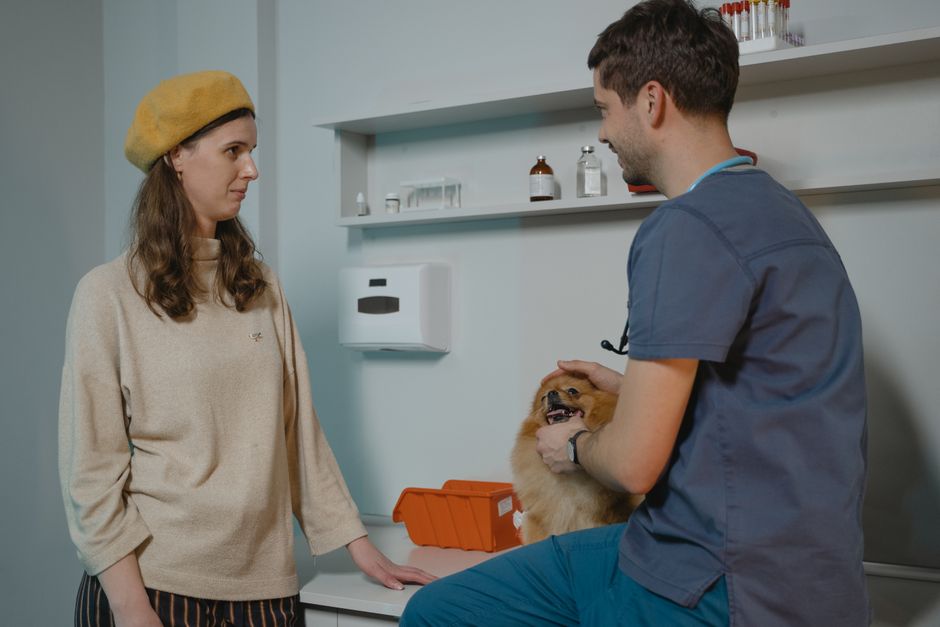
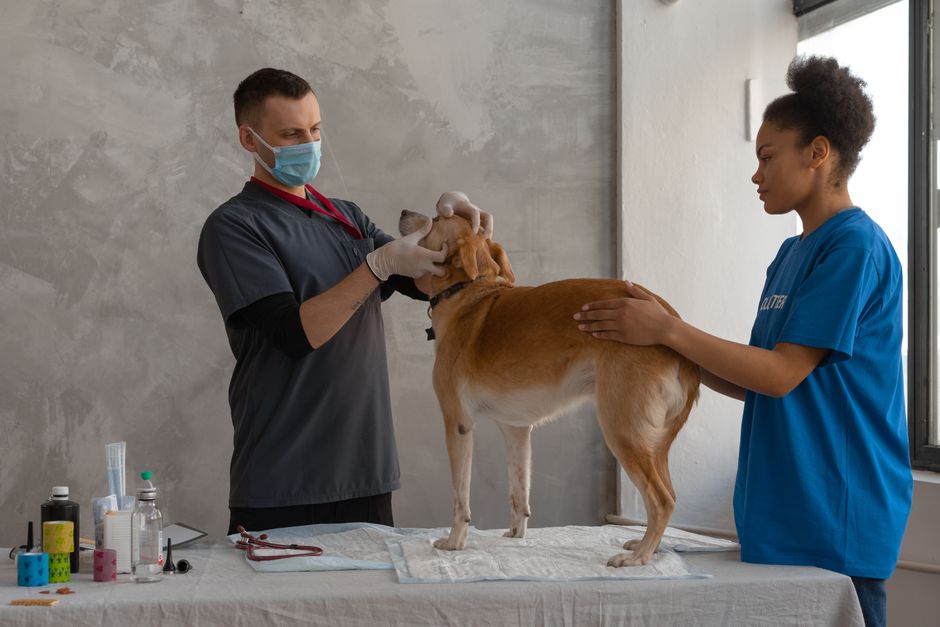
When your pet’s symptoms persist or interfere with their daily happiness, it is time to seek veterinary guidance. At Haddon Veterinary Clinic, our team offers a comprehensive approach to diagnosing and managing pet allergies. During your visit, we will begin with a detailed history and physical examination, paying close attention to your pet’s skin, ears, and overall condition. Our veterinarians may recommend diagnostic tests, such as skin scrapings, cytology, or blood work, to rule out infections or other underlying issues. For pets with ongoing or severe symptoms, allergy testing can help pinpoint specific triggers and inform a personalized treatment plan.
Treatment options for summer allergies may involve a combination of strategies. Medications such as antihistamines, corticosteroids, or prescription allergy medications can reduce itching and inflammation. For pets with skin or ear infections, antibiotics or antifungal medications may be necessary. In some cases, your veterinarian may suggest immunotherapy, which involves gradually exposing your pet to small amounts of allergens to build tolerance over time. For pets who struggle with chronic discomfort or mobility issues related to allergies, physical therapy and alternative treatments like acupuncture or laser therapy can offer additional comfort and support. Every treatment plan is tailored to your pet’s individual needs and lifestyle, ensuring the best possible outcome.
Home Management and Preventive Care for Summer Allergies
While veterinary care is essential for managing allergies, there are several steps you can take at home to help your pet feel more comfortable during July’s peak allergy season. Regular bathing with a gentle, hypoallergenic pet shampoo can help remove pollen, dust, and other allergens from your pet’s coat. Wiping your dog’s paws and belly with a damp cloth after walks, or gently brushing your cat after outdoor play, can minimize allergen exposure. Keeping windows closed during high pollen days, using air purifiers, and vacuuming frequently can reduce indoor allergens and create a more comfortable environment for sensitive pets.
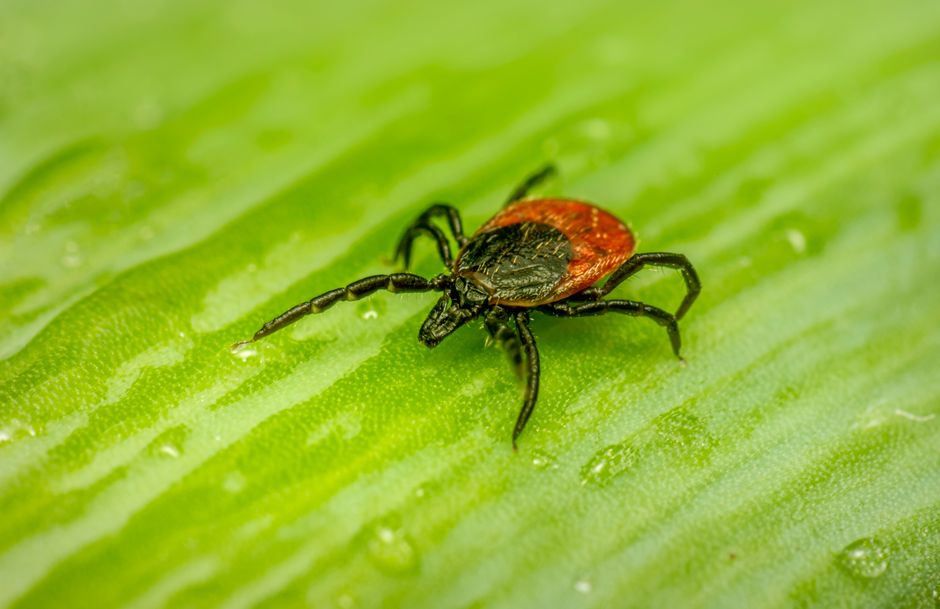
Flea prevention is especially important, as even a single bite can trigger severe reactions in allergic pets. Our veterinarians can recommend safe and effective flea control products tailored to your pet’s needs. For pets with food sensitivities that worsen in summer, specialized diets or supplements may be beneficial; our team can advise you on the best nutrition strategies for allergy-prone cats and dogs. If your pet is receiving ongoing treatment, such as immunotherapy or alternative therapies, regular check-ins help monitor progress and adjust the plan as needed. You can also learn more about keeping your pet healthy year-round by exploring our preventative care services.
When Should You Contact the Veterinary Clinic?
It is normal for pets to scratch occasionally, but persistent or severe symptoms should never be ignored. You should schedule an appointment with our veterinary team if your dog or cat is constantly licking, scratching, or biting at their skin, develops red, swollen, or oozing areas, or shows signs of ear discomfort such as head shaking, odor, or discharge. Sudden hair loss, scabs, or wounds that do not heal are also warning signs. If your pet seems lethargic, loses interest in food, or develops digestive issues alongside allergy symptoms, professional care is essential. In rare cases, allergic reactions can lead to facial swelling or difficulty breathing, which requires immediate veterinary attention.
Our team at Haddon Veterinary Clinic will work with you to identify the cause of your pet’s discomfort and provide a comprehensive treatment plan. Early intervention not only relieves your pet’s symptoms but can also prevent secondary infections and long-term complications.
Supporting Your Pet’s Comfort All Summer Long
Helping your dog or cat stay comfortable during July’s allergy season takes a combination of attentive home care and professional veterinary support. By recognizing early signs of allergies and taking proactive steps to minimize exposure, you can keep your pet happy and healthy throughout the summer. Our team of veterinarians in Haddon Heights is dedicated to providing personalized care for every pet and family we serve, whether you live in town or in one of the surrounding communities.
If you are searching for a trusted "vet near me" to help with your pet’s allergies, Haddon Veterinary Clinic is here to support you every step of the way. To schedule an appointment, call us at (856) 263-2888 or visit our convenient location at 2 2nd Ave, Haddon Heights, NJ 08035. For more information about allergy testing, preventive care, or alternative treatment options, explore our website or reach out to our veterinary professionals today. Your pet’s wellbeing is our top priority, and we are committed to helping them enjoy every season in comfort.
This article is intended for informational purposes only and does not replace professional veterinary care. Always consult with your veterinarian regarding any concerns about your pet’s health.