.png)
Preventing Summer Parasites in Haddon Heights Pets


Preventing Summer Parasites in Haddon Heights Pets
As summer settles into Haddon Heights, pet owners may notice their dogs and cats spending more time outdoors, basking in the warmth or joining the family for neighborhood strolls and backyard adventures. While these sunny days are perfect for making memories with your pet, the increased heat and humidity also bring a surge in parasite activity. Fleas, ticks, and heartworms thrive in these conditions, posing risks to your pet’s comfort and health. At Haddon Veterinary Clinic, located at 2 2nd Ave, Haddon Heights, NJ 08035, we know how important it is for you to keep your pet happy and parasite-free throughout the summer. This blog will help you recognize the warning signs of parasites, understand how and why infestations occur, and learn the most effective prevention and treatment strategies. We will also share practical tips for home care, and explain when it’s time to schedule an appointment with our veterinary team for professional help. Whether you live in Haddon Heights or the surrounding communities, our goal is to give you the tools and knowledge you need for a safe, comfortable summer with your pet.
Recognizing the Signs of Summer Parasites in Dogs and Cats
Noticing the earliest signs of fleas, ticks, or heartworm disease can make all the difference in preventing discomfort or serious health problems for your pet. Fleas often cause persistent scratching, biting at the skin, or hair loss, especially near the base of the tail or neck. You might spot flea dirt, which looks like tiny black specks, in your pet’s fur or bedding. Ticks are sometimes visible as small bumps attached to the skin, commonly near the ears, paws, or around the collar area. Pets may display signs of irritation, redness, or swelling at the bite site.
Heartworm disease can be more difficult to detect in its early stages. In dogs, initial symptoms can include a mild cough, decreased energy, weight loss, or reluctance to exercise. As the disease progresses, more severe signs such as difficulty breathing and a swollen abdomen may develop. Cats can show symptoms like coughing, vomiting, or sudden difficulty breathing, but some may show few or no signs before a sudden decline. If your pet seems unusually lethargic, has a persistent cough, or you notice unexplained changes in behavior or appetite, it’s important to consult our veterinary professionals for a thorough examination.
Why Are Parasites More Common in Summer?
Fleas, ticks, and mosquitoes—the insects responsible for heartworm transmission—flourish in the warm, humid climate typical of Haddon Heights during late spring and summer. Fleas reproduce rapidly in these conditions, with a single female flea laying dozens of eggs in just a day. These eggs drop into your pet’s environment, such as carpets, bedding, or shaded areas of your yard, and quickly mature into adults. Ticks are also more active, seeking hosts by clinging to tall grass, shrubs, or wooded areas where pets often explore.
Mosquito populations increase as stagnant water collects in birdbaths, clogged gutters, or puddles, providing ideal breeding grounds. Since mosquitoes transmit heartworm larvae when they bite, the risk of infection rises dramatically during peak mosquito season. Additionally, pets may come into closer contact with wildlife, such as squirrels or raccoons, which can carry fleas or ticks into your yard. Understanding how the local environment impacts parasite activity can help you take proactive steps to protect your pet.
Professional Treatment and Management at Haddon Veterinary Clinic
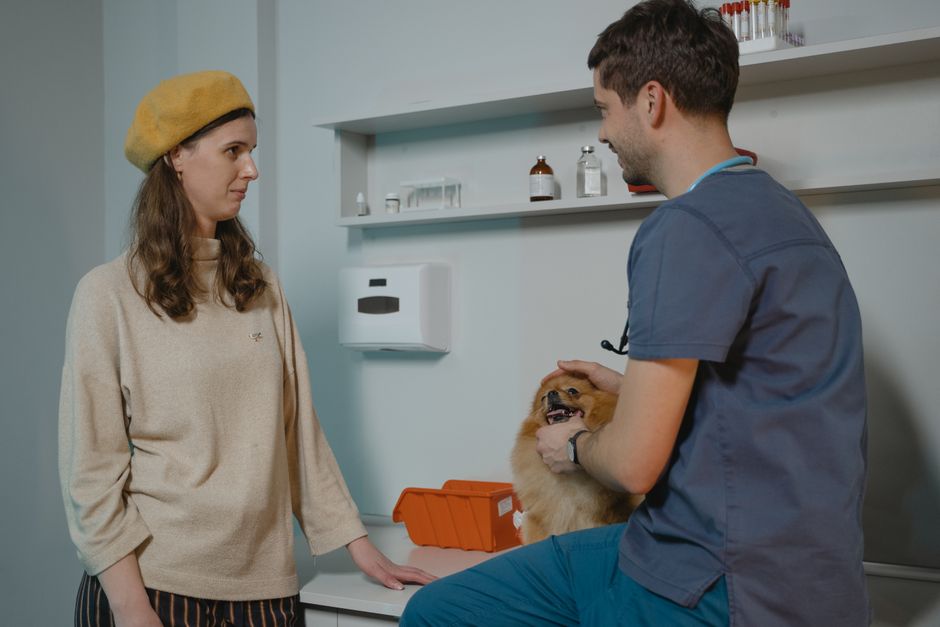
If you suspect your pet has a parasite problem, prompt diagnosis and treatment are essential. At Haddon Veterinary Clinic, our team of veterinarians uses thorough physical exams and advanced diagnostics to identify the type and extent of any infestation. For fleas and ticks, treatment options include veterinarian-recommended topical solutions, oral medications, or collars that target adult parasites and prevent further development of eggs and larvae. We may also suggest environmental treatments to eliminate parasites from your home and yard, reducing the risk of reinfestation.
Heartworm disease requires a different approach. For dogs, we start with a screening test to detect heartworm infection; if present, a carefully managed treatment plan involving medications and strict rest will be developed to minimize complications. For cats, heartworm infection can be harder to treat, as there is no approved medication to eliminate adult heartworms in felines. Instead, our veterinary team focuses on supportive care and preventive strategies. For all pets, regular heartworm testing services are vital in catching problems early and maintaining health.
Our clinic also offers comprehensive preventative care services tailored to your pet’s age, lifestyle, and unique risk factors. These include annual exams, parasite screenings, and personalized recommendations for flea, tick, and heartworm prevention.
Preventing Parasite Problems at Home
While professional veterinary care is the cornerstone of keeping your pet parasite-free, there are important steps you can take at home to reduce risk. Consistently administering veterinarian-approved flea, tick, and heartworm preventives as prescribed is the most effective way to protect your pet. Skipping doses or using over-the-counter products not recommended by your veterinarian can leave gaps in protection and increase the risk of infestation.
Regularly check your pet’s fur and skin, especially after outdoor adventures or time spent in wooded or grassy areas. Carefully examine the ears, neck, armpits, and between the toes for attached ticks or signs of irritation. Keeping your yard tidy by mowing grass, trimming bushes, and removing leaf litter can make your property less attractive to ticks. Eliminate standing water around your home to help control mosquito populations.
Inside your home, vacuum frequently and wash your pet’s bedding in hot water. If you have multiple pets, ensure each animal receives preventive treatment, as fleas can easily move from one host to another. For households with indoor and outdoor pets, pay special attention to monitoring and treating all animals to prevent re-infestation.
Discussing your pet’s risk factors with our veterinary team during annual wellness exams allows us to adjust prevention plans as needed. If you have questions about which products are safest and most effective for your dog or cat, our veterinarians are here to guide you.
When Should You Seek Veterinary Care?
Some pet owners wonder when it’s time to move beyond home care and schedule an appointment with their veterinarian. You should contact Haddon Veterinary Clinic if your pet is persistently scratching, losing hair, or you notice fleas or ticks that do not respond to preventive treatments. Immediate veterinary attention is needed if you see signs of allergic reactions such as severe itching, swelling, or open sores, or if your pet develops symptoms like coughing, lethargy, or difficulty breathing, which may indicate heartworm disease or tick-borne illness.
Prompt professional evaluation ensures accurate diagnosis and appropriate treatment, avoiding complications from untreated infections. Our veterinary professionals can also help differentiate between common summer irritations and more serious health threats, giving you peace of mind. Remember, early intervention is key to effective parasite control and protecting your pet’s long-term wellbeing.
Supporting Your Pet’s Health This Summer
Parasite prevention is a year-round commitment, but the risks increase during the warmer months in Haddon Heights and surrounding communities. By staying vigilant, using veterinarian-recommended preventives, and keeping up with regular preventative care services, you can help your pet enjoy a safe and comfortable summer. If you’re searching for a reliable vet near me, our compassionate team at Haddon Veterinary Clinic is here to support you every step of the way.
If you have concerns about parasites or need advice on the best prevention plan for your dog or cat, we encourage you to schedule an appointment with our veterinary team. You can reach us at (856) 263-2888 or visit our conveniently located clinic at 2 2nd Ave, Haddon Heights, NJ 08035. Let’s work together to keep your pet healthy, active, and parasite-free all season long.
For more information on parasite prevention, heartworm testing, and other veterinary services, explore our preventative care services or ask our team during your next visit.
This article is intended for educational purposes only and does not replace professional veterinary advice. Always consult your veterinarian for guidance specific to your pet’s needs.