.png)
Dental Care Tips for Your Pet This Spring in Haddon Heights


Dental Care Tips for Your Pet This Spring in Haddon Heights
As spring arrives in Haddon Heights, many pet owners start thinking about outdoor adventures and seasonal checkups for their dogs and cats. However, one area that often gets overlooked is dental health. Just like people, pets need regular dental care to maintain healthy teeth and gums. At Haddon Veterinary Clinic, LLC, we are dedicated to providing your pets with the highest quality dental care, from routine cleanings to advanced oral health treatments. In this blog, we will explore why spring is a crucial time for pet dental care, how you can spot signs of dental disease, what causes these issues, and what you can do at home to keep your pet's smile healthy. We will also share how our veterinary team supports pet owners in Haddon Heights and surrounding communities with professional dental services, including pet dental cleanings, dental radiography, and tooth extractions.
Spotting Dental Disease in Your Pet: Key Signs to Watch This Spring
Many pet owners are surprised to learn that dental disease is one of the most common health concerns in both dogs and cats. It can be easy to miss the early signs, especially since pets are experts at hiding discomfort. This spring, as you spend more time with your pets or schedule their annual checkups, keep an eye out for symptoms such as bad breath that lingers even after brushing, red or swollen gums, yellow or brown tartar buildup along the gumline, and reluctance to chew toys or eat hard food. Additionally, you might notice your pet pawing at their mouth, drooling more than usual, or even dropping food while eating. In more advanced cases, pets may develop loose or missing teeth, bleeding from the mouth, or visible swelling along the jaw or face.
Catching dental problems early is important not only for your pet's comfort but also for their overall health. Dental disease can lead to pain, infections, and even more severe systemic issues affecting the heart, liver, and kidneys. By recognizing the warning signs and acting promptly, you can help ensure your pet enjoys a healthy, active spring.
Why Do Pets Develop Dental Problems? Understanding the Causes
Several factors contribute to dental disease in pets, and understanding them can help you take steps to prevent issues before they start. The most common cause is the gradual buildup of plaque and tartar on your pet's teeth. Plaque is a soft, sticky film made up of bacteria, which hardens into tartar if not removed through regular brushing or professional cleaning. Over time, this buildup can irritate the gums and lead to gingivitis, the earliest stage of periodontal disease.
Other factors include your pet's age, breed, and diet. Small breed dogs, for instance, are particularly prone to dental disease due to the shape and crowding of their teeth. Cats can develop a condition called feline resorptive lesions, which cause painful erosion of the tooth structure. Feeding your pet a diet high in soft foods or table scraps can also increase the risk of dental problems, as these foods tend to stick to teeth and encourage bacterial growth. Without routine dental care, bacteria from the mouth can eventually travel through the bloodstream, affecting internal organs and leading to more serious health complications.
Professional Dental Care for Pets at Haddon Veterinary Clinic
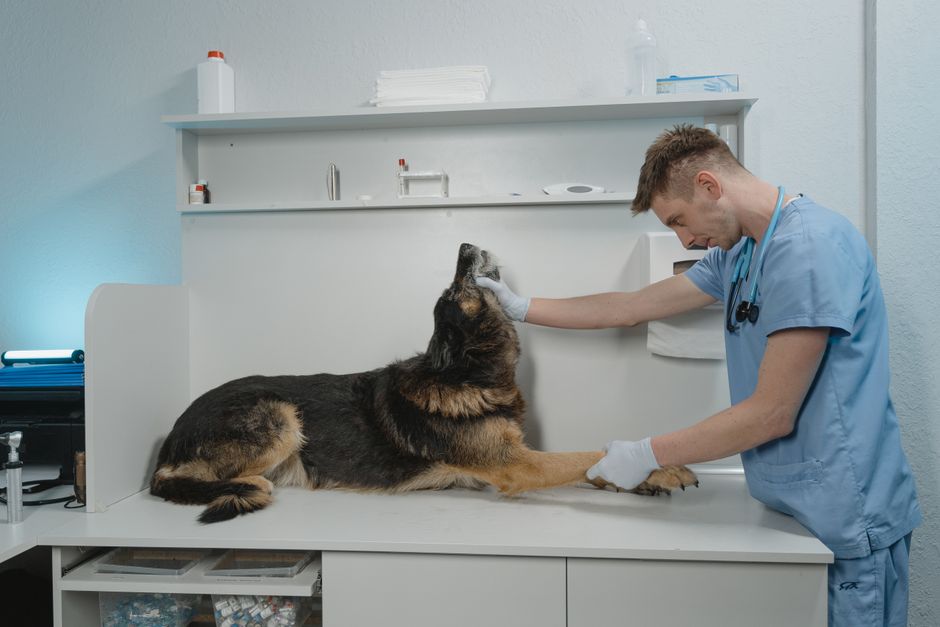
The foundation of excellent pet dental health begins with regular veterinary checkups and professional dental cleanings. At Haddon Veterinary Clinic, we recommend that all pets receive a complete oral health evaluation during their annual wellness exams. For many pets, especially as they age, a professional dental cleaning under anesthesia may be necessary to remove stubborn tartar and assess the health of each tooth.
Our veterinary team uses advanced dental radiography to see below the gumline and identify hidden problems such as root abscesses or bone loss. If diseased or damaged teeth are found, our veterinarians may recommend pet tooth extractions to relieve pain and prevent further infection. These procedures are performed with your pet's comfort and safety as our top priorities, using modern anesthesia protocols and pain management strategies.
Regular professional dental care not only addresses existing problems but also helps prevent future issues. By scheduling routine dental cleanings and following your veterinarian's recommendations, you can help your pet maintain a bright, healthy smile throughout the year.
At-Home Dental Care: Daily Steps to Support Your Pet’s Oral Health
While professional cleanings are vital, daily home care plays a crucial role in your pet's dental health. Brushing your pet’s teeth is the gold standard for removing plaque before it hardens into tartar. Using a pet-safe toothbrush and toothpaste, aim to brush your pet’s teeth at least several times per week. Many dogs and cats can learn to enjoy this routine with gentle encouragement and positive reinforcement.
In addition to brushing, dental chews, treats, and toys designed to reduce plaque can help supplement your efforts. Look for products approved by the Veterinary Oral Health Council (VOHC), as these are proven to help control plaque and tartar buildup. Feeding a diet formulated for dental health, providing plenty of fresh water, and avoiding sticky treats or table scraps are also important steps.
It’s important to remember that while home care is helpful, it cannot replace professional dental evaluations and cleanings. Some dental problems, such as infections below the gumline or broken teeth, may not be visible or treatable with home care alone. By combining daily at-home efforts with regular veterinary visits, you give your pet the best chance at lifelong oral health.
When Should You Schedule a Dental Visit for Your Pet?
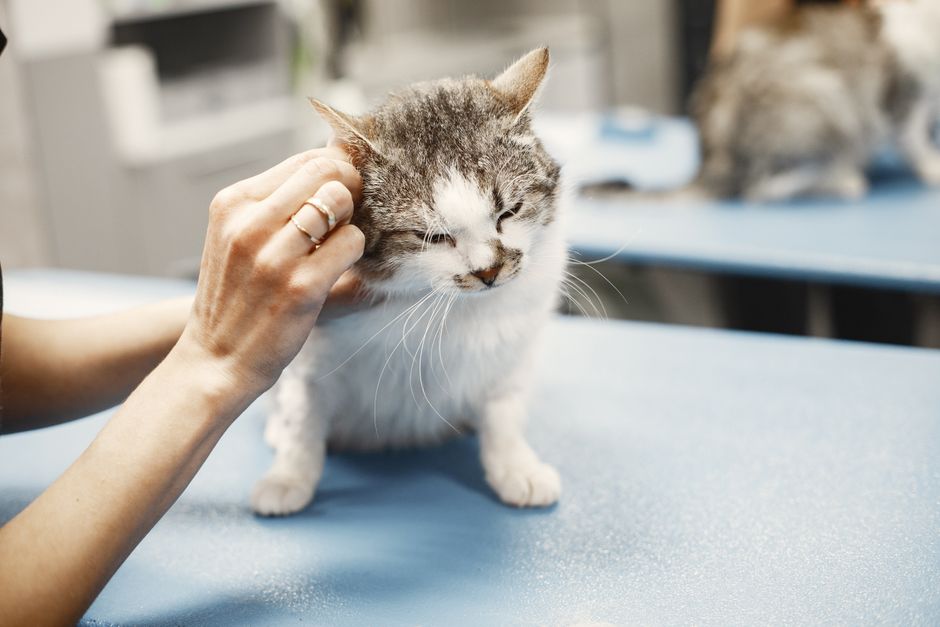
Knowing when to bring your pet to the veterinarian is key for prompt treatment and prevention of more serious problems. Schedule a dental checkup if you notice any of the signs mentioned earlier, such as persistent bad breath, swollen or bleeding gums, difficulty eating, or visible tartar. Even if your pet seems comfortable, routine dental exams are recommended at least once a year for most adult dogs and cats.
If your pet is a senior, has a history of dental disease, or belongs to a breed prone to oral health issues, more frequent visits may be necessary. Our veterinary team in Haddon Heights can help you determine the best dental care schedule for your individual pet. Timely intervention can prevent pain, tooth loss, and the spread of infection, ensuring your pet remains happy and healthy all season long.
Springtime Dental Care: Why Now Is the Perfect Time
Spring is an ideal time to focus on your pet’s dental health. As you freshen up your home and yard, consider adding a dental checkup to your pet’s spring wellness routine. Warmer weather and increased activity may reveal changes in eating or chewing habits, which can be early indicators of dental problems. Addressing dental care now helps set the stage for a comfortable, active summer.
Our team at Haddon Veterinary Clinic is here to support you every step of the way with comprehensive dental services, personalized recommendations, and a commitment to your pet’s wellbeing. Whether your dog needs a routine cleaning or your cat is experiencing dental discomfort, we are ready to help.
Your Local Resource for Pet Dental Care in Haddon Heights
When searching for a veterinarian near me who truly understands the needs of your pet, look no further than Haddon Veterinary Clinic. Our skilled veterinarians and caring support team provide state-of-the-art dental care in a welcoming environment, serving Haddon Heights and surrounding communities. From pet dental cleanings to dental radiography and advanced tooth extractions, we tailor our approach to each individual pet.
Ready to schedule your pet’s spring dental checkup? Contact our veterinary team today at (856) 263-2888 or visit us at 2 2nd Ave, Haddon Heights, NJ 08035. We look forward to partnering with you to keep your dog or cat healthy, comfortable, and smiling bright all year long.
The information provided in this blog is for educational purposes only and is not a substitute for professional veterinary advice. Always consult your veterinarian for specific questions about your pet’s health or before making changes to their dental care routine.