.png)
Spring Parasite Prevention Tips for Haddon Heights Pet Owners


Spring Parasite Prevention Tips for Haddon Heights Pet Owners
As the days get warmer and spring settles in across Haddon Heights, pet owners find themselves enjoying more time outdoors with their furry companions. While spring brings longer walks and playful afternoons in the yard, it also marks the start of parasite season. Fleas, ticks, and heartworm-carrying mosquitoes become more active in our local area, putting both dogs and cats at risk for uncomfortable, and sometimes dangerous, infestations and diseases. At Haddon Veterinary Clinic, located at 2 2nd Ave, Haddon Heights, NJ 08035, our team of veterinarians is committed to helping your pets stay healthy and protected all season long.
This guide will help you recognize the signs of parasite problems, understand what makes your pets vulnerable in spring, and learn how regular wellness visits and preventive care can keep your beloved dogs and cats safe. We will discuss practical home care tips and explain when it is crucial to schedule a visit for professional treatment. If you are looking for reliable information on spring parasite prevention or want to make sure your pet is protected, you are in the right place. We also invite you to explore our preventative care services to learn more about how we can help your pets thrive this spring.
Recognizing the Signs of Parasite Problems in Your Pet
Springtime in Haddon Heights means a surge in outdoor adventures, but it also opens the door for parasites to latch onto your pet. Early recognition of a problem can make all the difference in preventing more serious health issues. Symptoms of flea infestations often include persistent scratching, red or irritated skin, hair loss in patches, and the appearance of tiny dark specks (commonly called flea dirt) in your pet’s fur. Ticks can sometimes be seen attached to the skin, especially around the ears, neck, or in between toes, but they may go unnoticed until they become engorged; you might also notice swelling, redness, or a small bump at the site where a tick has bitten your pet.
Heartworm disease, although less obvious at first, can be especially dangerous. Early signs in dogs can include a mild cough, fatigue after moderate activity, decreased appetite, and weight loss. In cats, heartworm disease can be even trickier to spot; symptoms may present as coughing, difficulty breathing, vomiting, or even sudden collapse in severe cases. If your pet seems unusually tired, has trouble breathing, or develops unexplained skin issues, these could all be warning signs of parasite trouble. It is important to remember that some pets show few or no outward symptoms until a parasite infestation or infection is advanced, so routine checkups and prevention are essential for early detection and peace of mind.
Why Parasites Thrive in Spring and How Your Pet Becomes a Target
As temperatures rise in Haddon Heights and surrounding communities, the local environment becomes a haven for fleas, ticks, and mosquitoes. These parasites thrive in the warmer, more humid conditions that spring brings—making April and the months that follow especially risky. Fleas multiply rapidly in moist grass, leaf litter, and even in shady corners of your yard. Ticks seek out tall grasses, wooded areas, and bushy undergrowth, lying in wait to latch onto a passing pet or person. Mosquitoes, the primary carriers of heartworm larvae, breed in standing water such as puddles, birdbaths, and clogged gutters.
Dogs are particularly susceptible because of their love for outdoor play, but cats—especially those who venture outside or live in multi-pet households—are also at risk. Even strictly indoor pets can encounter parasites brought in on shoes, clothing, or other animals. The risk increases if you hike local trails, visit parks, or spend time in heavily wooded or grassy areas. Spring is also when wildlife activity peaks, and animals like squirrels, raccoons, and stray cats can introduce fleas and ticks into your yard or neighborhood.
Not only are these parasites a nuisance, but they also pose serious health risks. Fleas can transmit tapeworms and cause severe allergic reactions. Ticks may carry dangerous diseases such as Lyme disease or ehrlichiosis. Heartworm disease, spread by a single mosquito bite, can be life-threatening if not detected and treated early. Understanding these seasonal risks is the first step toward protecting your pet from discomfort and illness this spring.
Professional Parasite Treatment and Prevention at Haddon Veterinary Clinic
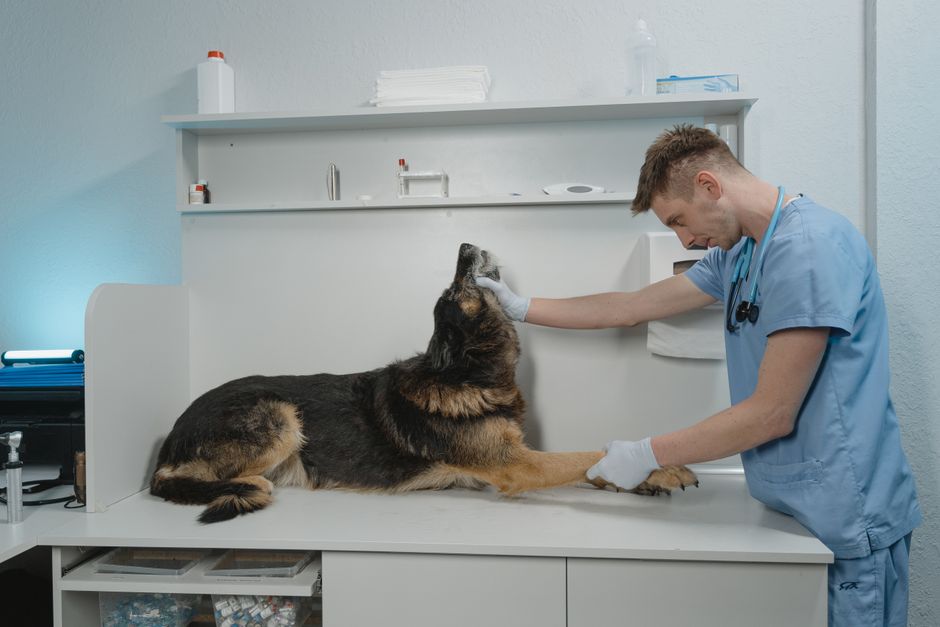
When it comes to treating and preventing parasites, professional veterinary care offers the most effective and safest solutions. At Haddon Veterinary Clinic, our veterinary professionals use up-to-date diagnostic tools and evidence-based treatments tailored to your pet’s unique lifestyle and risk factors. When you bring your dog or cat in for a wellness examination, we conduct a thorough check for signs of fleas, ticks, and skin irritation, as well as discuss your pet’s exposure risk based on local conditions.
For flea and tick control, we may recommend prescription-strength topical treatments, oral medications, or specialized collars designed to repel and kill these pests. These solutions are both safer and more effective than many over-the-counter products. In cases of infestation, additional steps such as medicated baths or environmental treatments at home may be necessary to fully eradicate parasites.
Heartworm prevention is a crucial part of spring care. Our team offers heartworm testing to ensure your pet is heartworm-free before starting a preventive regimen. Preventative medications are available in several forms, including chewables, tablets, or topical solutions, and are tailored to your pet’s needs. In the unfortunate event that your pet tests positive for heartworm, we will guide you through the safest and most effective treatment plan.
We also provide guidance on parasite control for multi-pet households and can help you design a year-round prevention strategy. If your pet has unique needs due to age, medical history, or allergies, our veterinarians can customize a plan that prioritizes both safety and effectiveness, giving you peace of mind as spring unfolds.
Tips for Prevention and Home Care During Spring
Protecting your pets from parasites is a partnership between you and your veterinary team. There are several practical steps you can take at home to reduce your pet’s risk and make the most of professional prevention programs. Consistently administering veterinarian-approved flea, tick, and heartworm preventives every month is the foundation of effective protection. Skipping doses or missing a month can leave your pet vulnerable, so it helps to set reminders or use a calendar to track medication schedules.
Regularly inspecting your pet’s fur and skin, especially after time spent outdoors, is another proactive measure. Feel along your pet’s body for any small bumps or embedded ticks; checking behind the ears, under the collar, around the tail, and between the toes can help catch parasites early. Bathing pets as recommended and grooming them with a flea comb can also help spot and remove parasites before they become a bigger problem.
Maintaining your yard is equally important. Mowing the grass frequently, trimming bushes, and removing piles of leaves or debris can reduce places where fleas and ticks multiply. Eliminating standing water from plant saucers, buckets, birdbaths, and gutters helps keep mosquito populations in check. If you have multiple pets, treating all animals in your household at the same time helps prevent reinfestation.
Be mindful of local wildlife that might bring parasites onto your property. Securing trash cans, sealing up crawl spaces, and discouraging stray animals from entering your yard can reduce the chances of new infestations. If your pet is social, be aware that contact with untreated animals at parks or boarding facilities can also increase risk.
Finally, schedule regular wellness checks with your veterinary team. These visits allow for timely parasite screenings and ensure your prevention plan is working as intended. Our preventative care services are designed to keep your pet protected, comfortable, and ready to enjoy every beautiful spring day.
When to Seek Veterinary Help for Parasites
Despite your best efforts, sometimes parasites find their way to your pet. Knowing when to reach out to your veterinarian can make all the difference in your pet’s recovery and long-term health. Any persistent scratching, unexplained skin irritation, or visible signs of fleas or ticks should prompt a call to your veterinary clinic. If you discover a tick attached to your pet and are unsure how long it has been there, or if your pet develops a fever, lethargy, or loss of appetite after a tick bite, it is important to schedule an appointment promptly.
If your pet has missed a dose of heartworm prevention, or if you notice respiratory symptoms such as coughing, labored breathing, or sudden fatigue, these could be early indicators of heartworm disease. Because heartworm can progress quickly, especially in dogs, timely testing and treatment are critical. In cats, sudden vomiting, difficulty breathing, or collapse require immediate veterinary attention.
Remember, over-the-counter products and home remedies are not always effective or safe, particularly for pets with other health concerns or those who may be sensitive to certain ingredients. Professional guidance ensures your pet receives the right care at the right time. If you are ever in doubt, our veterinary professionals at Haddon Veterinary Clinic are here to help assess your pet’s condition and recommend the best next steps.
Protect Your Pet This Spring with Haddon Veterinary Clinic
Spring in Haddon Heights is a wonderful time for pets and their families, but it is also a season to be vigilant about parasite protection. By watching for early warning signs, understanding the unique risks of our local environment, and partnering with our veterinary team for regular wellness examinations and preventative care, you can safeguard your dog or cat from fleas, ticks, and heartworm disease. Consistent home care and prompt attention to symptoms go a long way in keeping your pet healthy and happy.
If you are searching for a veterinarian near me, trust the experienced veterinary professionals at Haddon Veterinary Clinic to provide personalized, progressive care for your pet. We welcome you to schedule an appointment by calling (856) 263-2888 or visiting us at 2 2nd Ave, Haddon Heights, NJ 08035. Our team is here to answer your questions, develop a prevention plan tailored to your pet’s needs, and ensure every member of your family enjoys a safe, parasite-free spring. For additional guidance on vaccinations or heartworm testing, explore our pet vaccination services and heartworm testing options today.
This blog is for informational purposes only and does not replace professional veterinary advice. If you have concerns about your pet’s health, please contact your veterinarian directly.