
Common Mistakes When Monitoring Your Dog’s Mobility
Common Mistakes When Monitoring Your Dog’s Mobility
Mobility issues can sneak up on even the most attentive pet owners. It is easy to overlook subtle signs that your dog may be struggling with joint pain, stiffness, or changes in movement. At Haddon Veterinary Clinic in 2 2nd Ave, Haddon Heights, NJ 08035, we frequently speak with clients who wonder: what are some common mistakes pet owners make with monitoring a dog’s mobility over time? Recognizing these errors can help you catch problems early, address discomfort, and improve your dog’s quality of life. In this article, we will explore the warning signs of mobility problems, review why they happen, discuss professional treatments available in our Haddon Heights clinic, and share tips for supporting your dog at home. You will also learn when it is time to schedule an appointment with our veterinary team for a thorough evaluation.
Recognizing Early Signs of Mobility Problems in Dogs
Before discussing what are some common mistakes pet owners make with monitoring a dog’s mobility over time, it is important to understand the signs that signal a problem may be developing. Many pet owners assume that limping or obvious pain are the first indicators, but changes can be much more subtle. You might notice your dog hesitating before jumping onto the couch, taking longer to get up after a nap, or lagging behind on walks. Some dogs become less playful or show reluctance to use stairs. Other early indicators can include slipping on slick floors, changes in posture, or an altered gait. These signs often appear gradually, making them easy to dismiss as normal aging or temporary stiffness. However, even minor changes can point to underlying joint disease, arthritis, muscle weakness, or injury.
Ignoring these early symptoms is a mistake that can delay diagnosis and allow the condition to worsen. At Haddon Veterinary Clinic, we encourage pet owners to pay close attention to their dog's daily routines and to document any changes, however small. A helpful way to track your dog’s mobility is through a journal or by recording short videos. This makes it easier to share details with your veterinarian during a wellness examination and helps us compare changes over time.
Why Mobility Issues Develop in Dogs
Understanding the root causes of mobility challenges can help you avoid the pitfalls of missing early signs. Dogs can develop movement problems for a variety of reasons, ranging from age-related arthritis to injuries, obesity, congenital joint disorders, or neurological conditions. Large-breed dogs and dogs with a history of orthopedic problems are at higher risk, but any breed and age can be affected.
One of the most common contributors is osteoarthritis, a degenerative joint disease that leads to pain, inflammation, and reduced range of motion. Other potential causes include ligament injuries, hip or elbow dysplasia, spinal disc disease, or even tick-borne illnesses. Carrying excess weight increases pressure on the joints, speeding up the progression of arthritis and making recovery from injuries more difficult. In some cases, muscle weakness or loss of muscle mass due to inactivity also plays a role.
Environmental factors, such as slippery floors, high-impact exercise, or lack of regular movement, can further exacerbate the problem. Regular check-ins with your veterinary team help identify risk factors before they lead to lasting damage. At our practice, we use diagnostic tools like digital radiology to assess your dog’s bones and joints and determine the best course of action.
What Are Some Common Mistakes Pet Owners Make with Monitoring a Dog’s Mobility Over Time?
When pet owners ask, "what are some common mistakes pet owners make with monitoring a dog’s mobility over time?", there are several patterns we see regularly in our Haddon Heights clinic. One major mistake is normalizing gradual changes and assuming they are simply part of the aging process. While some slowing down is expected, pain and difficulty moving are not inevitable and should always be evaluated.
Another common error is overlooking minor behavioral changes. Dogs are experts at hiding discomfort, so behaviors such as licking at joints, panting more during activity, or seeking cool floors may be signs of pain. Many owners also fail to track their dog's activity levels, making it hard to notice decreased stamina or reluctance to play.
Relying on memory instead of objective tracking is another pitfall. Without written notes or video, it is easy to underestimate how much your dog’s mobility has changed over weeks or months. Additionally, some pet owners try to self-diagnose or delay professional care, believing rest alone will resolve the issue. This can lead to missed opportunities for early intervention.
Finally, skipping regular veterinary checkups or waiting until symptoms are severe can result in more complicated and costly treatments. At Haddon Veterinary Clinic, our team of veterinarians is here to guide you in monitoring your dog’s mobility and addressing problems before they progress.
Professional Treatment Options for Mobility Issues
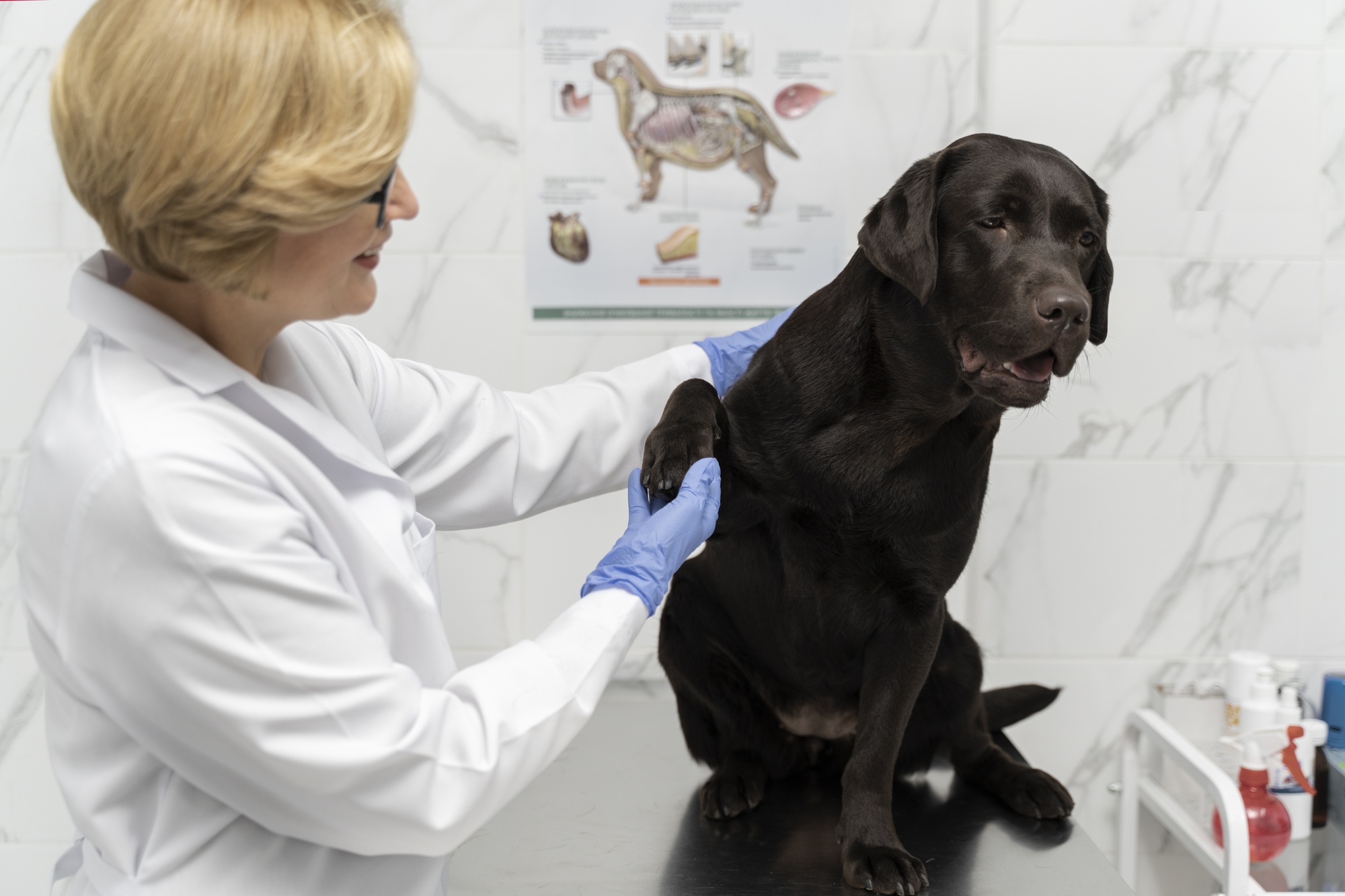
If you notice signs of decreased mobility in your dog, seeking veterinary assessment is crucial. Our clinic in Haddon Heights offers a comprehensive range of diagnostic and therapeutic services to address musculoskeletal and joint health. During a wellness examination, we will assess your dog’s gait, joint range of motion, muscle tone, and overall comfort. If needed, we can perform digital radiology to evaluate for arthritis, fractures, or joint abnormalities.
Treatment options vary depending on the underlying cause. For arthritis and chronic pain, we may recommend a combination of medications, supplements, and physical rehabilitation. Physical therapy can include targeted exercises, massage, and structured activity programs to improve strength and flexibility. For some dogs, acupuncture, laser therapy, or chiropractic medicine offer additional pain relief and help restore mobility without relying solely on medication.
In cases where surgery is necessary, such as for torn ligaments or severe joint dysfunction, our veterinarians will guide you through the process, from preoperative planning to postoperative rehabilitation. Early intervention is always preferred, as it can slow disease progression and support a better long-term outcome.
Supporting Your Dog’s Mobility at Home
Helping your dog stay active and comfortable at home is an essential part of managing mobility challenges. Creating a safe environment by adding rugs or non-slip mats can reduce the risk of falls. Keeping your dog at a healthy weight is one of the most effective ways to relieve pressure on the joints and prevent further deterioration. Gentle, regular exercise such as short walks or swimming can maintain muscle mass and flexibility without causing strain.
If your dog is already experiencing mobility issues, consider using ramps or stairs for getting onto furniture or into the car. Provide a supportive, orthopedic bed and ensure food and water are easily accessible. Regular grooming helps prevent matting and slipping, especially for dogs with long fur on their feet.
It is important to follow your veterinarian’s recommendations for pain management, exercise, and joint supplements. Monitoring your dog’s progress with notes or videos will help you and your veterinarian assess whether the current plan is effective or needs adjusting. Remember that consistency is key, and small daily efforts can make a significant difference in your dog’s mobility and comfort.
When to Schedule an Appointment with Your Veterinary Team
Knowing when to seek help is just as important as monitoring your dog’s mobility at home. You should schedule an appointment at Haddon Veterinary Clinic if you notice persistent limping, difficulty rising or lying down, reduced interest in play or walks, vocalizing during movement, or any obvious signs of pain. Additionally, sudden changes such as an inability to stand, dragging limbs, or loss of bladder or bowel control require immediate veterinary attention.
Even if the changes seem minor, early evaluation allows our veterinary professionals to rule out serious conditions and provide tailored advice. Routine wellness visits are an excellent opportunity to discuss mobility and joint health, especially for senior dogs or breeds at higher risk for orthopedic problems. During these appointments, we can update your dog’s care plan, recommend new therapies, and help you stay proactive in supporting your dog’s wellbeing.
How to Avoid Mistakes and Support Lifelong Mobility
Understanding what are some common mistakes pet owners make with monitoring a dog’s mobility over time empowers you to take an active role in your dog’s health. By tracking changes, seeking veterinary guidance promptly, and providing a safe, supportive home environment, you can help your dog stay active and comfortable for years to come. Our veterinary team at Haddon Veterinary Clinic is dedicated to partnering with you at every stage, from preventive care to advanced therapies.
If you are searching for a "vet near me" who truly understands the importance of mobility and joint health, we invite you to reach out. To schedule an appointment or discuss your dog’s needs, call us at (856) 263-2888 or visit our clinic at 2 2nd Ave, Haddon Heights, NJ 08035. You can also explore our services in physical therapy, acupuncture, and laser therapy to learn more about the options available for your dog’s unique situation.
Remember, staying vigilant and working closely with your veterinary team is the best way to catch changes early and avoid the most common mistakes pet owners make with monitoring a dog’s mobility over time. Your dog deserves a comfortable, active life, and we are here to help make that possible every step of the way.