.png)
Cold Weather Pet Safety Tips for Haddon Heights Families

Cold Weather Pet Safety Tips for Haddon Heights Families
As November ushers in brisk winds and chilly nights in Haddon Heights, pet owners often worry about how to keep their furry companions healthy and safe. At Haddon Veterinary Clinic, we understand the unique challenges the colder months present for local pets. From damp sidewalks to dropping temperatures, the onset of winter can affect your dog or cat’s health in more ways than you might expect. This guide will walk you through essential cold weather pet safety strategies specifically tailored for Haddon Heights and surrounding communities. You’ll learn how to recognize signs of discomfort or illness in your pet, practical steps for adjusting routines, and when to seek help from our veterinary team at 2 2nd Ave, Haddon Heights, NJ 08035.
Whether you’re looking for the best "vet near me" for seasonal check-ups or want to explore preventive care options to safeguard your pet as the temperatures dip, you’ll find actionable advice here. Our team of veterinarians is dedicated to providing comprehensive pet care in Haddon Heights, helping you prepare for and navigate the colder months with confidence.
Recognizing Cold Weather Risks: How to Tell If Your Pet Is Affected
Cold weather pet safety in Haddon Heights begins with knowing what to watch for as the seasons change. Dogs and cats are sensitive to shifts in temperature and humidity, and even indoor pets can experience discomfort when the weather turns. Key symptoms of cold weather stress include shivering, lethargy, reluctance to go outside, or seeking extra warmth around the house. Some pets may develop dry, flaky skin or show signs of joint stiffness, which can be especially pronounced in older animals or breeds with short coats.
Other signs to keep an eye on are persistent paw licking, redness between the toes, and cracked paw pads. These problems often arise when pets trot across salted sidewalks or wet, chilly surfaces. Watch for changes in your pet’s appetite or increased sleeping, which may signal underlying health issues exacerbated by the colder climate. If your pet seems anxious, hides more than usual, or experiences new coughing or sneezing, these can also point to environmental stressors or respiratory irritation common in winter.
Why Pets Are Vulnerable in Cold Weather: Understanding the Causes
The need for cold weather pet safety in Haddon Heights is rooted in several factors that affect our area each fall and winter. As temperatures drop, pets lose body heat more quickly, especially those with thin fur, advanced age, or chronic health conditions. Wet weather, including rain and snow, can soak through coats and reduce a pet’s ability to stay warm. Dampness also increases the risk of skin infections and can make arthritis pain worse, leading to discomfort and decreased mobility.
Salt and de-icing chemicals used on sidewalks in Haddon Heights can be harsh on sensitive paw pads, causing redness and cracking. Pets that spend more time indoors during the winter are exposed to dry indoor air, which can lead to itchy skin and respiratory irritation. Additionally, the holiday season often brings changes in routine, potential exposure to toxic foods, and the added stress of visitors or travel.
Understanding these causes is the first step in adjusting your Haddon Heights pet care tips for the colder months. If your dog or cat has a medical history of allergies, arthritis, or respiratory issues, they may be at even greater risk as the weather changes.
Keeping Your Pet Comfortable: Professional Care and Treatment Options
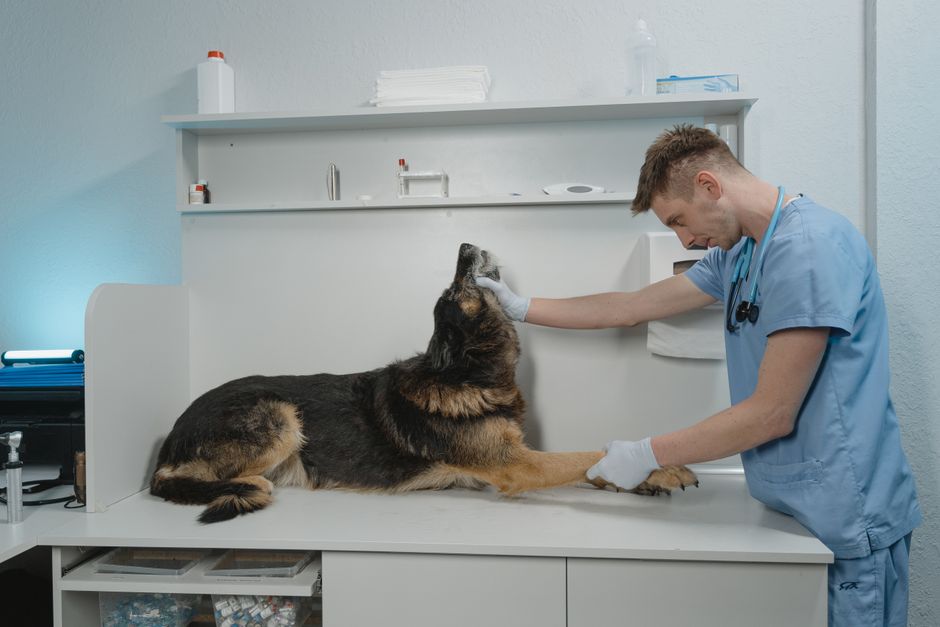
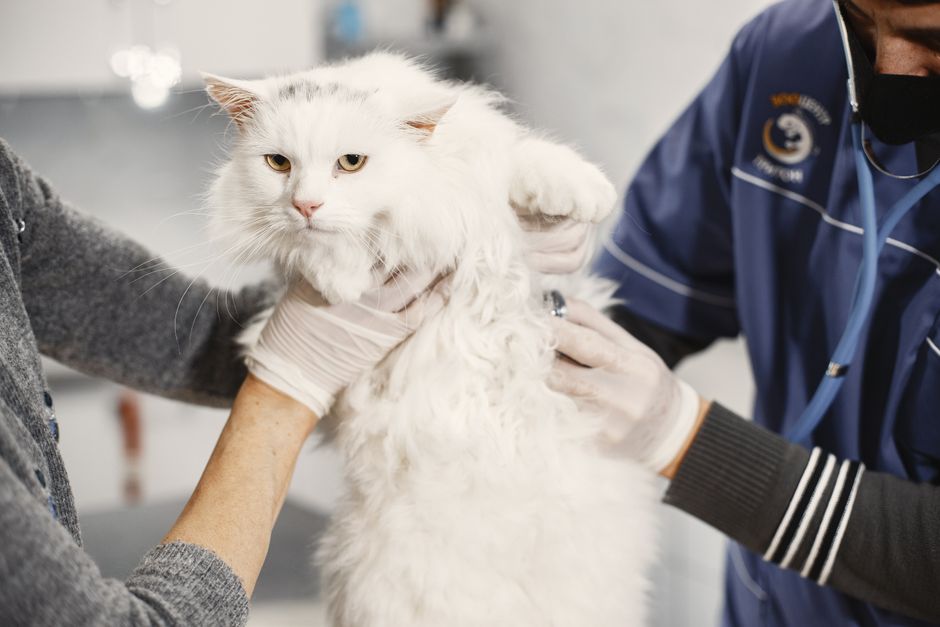
When you bring your pet to Haddon Veterinary Clinic for cold weather concerns, our veterinarians are equipped to address a wide range of winter-related health issues. Treatment approaches for pets affected by cold weather involve a thorough examination to check for signs of hypothermia, frostbite, or joint pain. We use diagnostic tools to assess skin health, look for infections, and evaluate any underlying conditions that could be aggravated by the season.
For pets experiencing stiffness or pain, therapies such as physical therapy and acupuncture can provide relief and restore mobility. If your dog or cat develops skin irritation or allergic reactions due to increased time indoors or exposure to de-icing chemicals, our team may recommend allergy testing or topical treatments tailored to your pet’s needs.
Scheduling a wellness examination ahead of the winter can help catch any early signs of illness, ensuring your pet is prepared for the colder months. Our veterinarians will also discuss optimal nutrition, supplements for joint health, and the importance of staying up to date with vaccination services, since pets often spend more time with other animals or in boarding facilities during the holidays.
Protecting Your Pet at Home: Practical Cold Weather Safety Tips
There are plenty of steps you can take at home to support cold weather pet safety in Haddon Heights. Ensuring your pet has a warm, dry place to sleep away from drafts is essential. For dogs that enjoy winter walks, consider using pet-safe booties to protect their paws from salts and chemicals. Wiping your pet’s paws with a damp cloth after each outing helps prevent irritation and reduces the risk of ingestion if they lick their feet.
Adjust outdoor time based on your pet’s tolerance; some breeds are content with longer walks, while others may need shorter outings. For cats, keeping them indoors during extreme cold is the safest option. Pets with arthritis or mobility challenges can benefit from extra bedding or heated pet mats, but always supervise use to prevent burns or overheating.
Maintaining a consistent feeding schedule supports overall health, as pets may burn more calories keeping warm. Monitor your pet’s weight and consult your veterinarian if you notice any changes in appetite or body condition. Limit bathing during winter to avoid stripping protective oils from your pet’s skin, and use pet-safe moisturizers if dryness occurs.
For those interested in a more holistic approach to winter health, therapies such as herbal supplements and food therapy can support immune function and comfort. Ask our veterinary professionals about options that are appropriate for your pet’s specific needs.
When to Call the Veterinarian: Knowing When Professional Help Is Needed
While many cold weather pet safety issues can be managed at home, there are times when prompt veterinary care is essential. Seek immediate help if your pet shows signs of hypothermia, such as severe weakness, confusion, or uncontrollable shivering. Frostbite, which appears as pale or gray skin on the tips of ears, tails, or toes, requires urgent attention.
Persistent coughing, breathing difficulties, or unexplained lethargy should never be ignored, especially in older pets or those with chronic conditions. If you notice wounds, swelling, or sudden changes in behavior, schedule an appointment with our veterinary team as soon as possible. Early intervention can prevent minor problems from becoming serious health threats.
Our team at Haddon Veterinary Clinic is available to assess your pet and recommend appropriate treatment, whether it’s addressing winter skin conditions, managing arthritis pain, or updating preventive care protocols for the season. Don’t hesitate to reach out if you’re ever unsure about your pet’s symptoms or need guidance on cold weather pet care in Haddon Heights.
Conclusion: Keep Your Pet Safe and Healthy All Winter Long
Caring for your dog or cat during a Haddon Heights winter requires attention to both subtle changes and obvious signs of discomfort. By recognizing the risks, understanding why pets are vulnerable to cold, and taking action with the right home care and professional support, you can ensure your furry family members thrive all season. Haddon Veterinary Clinic at 2 2nd Ave, Haddon Heights, NJ 08035 is here to provide the support and veterinary services you need, from comprehensive pet exams to preventive care tailored for the winter months.
If you’re searching for a "vet near me" who understands the specific needs of pets in Haddon Heights, our experienced veterinary professionals are ready to help. Schedule an appointment today by calling (856) 263-2888 or visiting our clinic. Protect your pet this winter with trusted Haddon Heights pet care tips and compassionate guidance from the best veterinarians in your local community.
For more information on keeping your pet safe this season or to discuss specific concerns, reach out to our team or explore our preventive care services. Your pet’s comfort and wellbeing are our top priorities, now and all year round.
Disclaimer: This blog is intended for educational purposes only and does not replace professional veterinary advice. Always consult your veterinarian for specific questions about your pet’s health or if you notice any concerning symptoms. For urgent situations, seek immediate veterinary attention.
References: