.png)
March Pet Dental Health Tips for Haddon Heights Owners

March Pet Dental Health Tips for Haddon Heights Owners
As spring approaches in Haddon Heights, many pet owners start thinking about seasonal health checkups, but have you considered the importance of your pet’s dental health? Just like people, pets can suffer from dental problems that affect their comfort, happiness, and overall wellbeing. At Haddon Veterinary Clinic, we are committed to helping you keep your furry companion’s teeth and gums in excellent shape all year round. This March, we want to share essential dental care tips, the signs of dental disease to watch for, and how preventive care at our Haddon Heights location can protect your pet’s smile.
In this blog, you’ll discover how to recognize dental issues in your pet, why dental disease develops, what professional treatments are available, and how you can support oral health at home. We’ll also explain when it’s time to schedule an appointment with our veterinary team and how our local clinic supports pets from Haddon Heights and surrounding communities. If you’re looking for reliable pet dental care or a vet near me, you’ll find everything you need to know right here.
Recognizing Dental Problems in Your Pet
Many pet owners wonder how to tell if their dog or cat is experiencing dental discomfort. Dental disease can develop gradually, so the signs aren’t always obvious at first. However, being aware of common symptoms can help you catch problems early and prevent pain or complications for your pet.
Key symptoms of dental disease in pets include persistent bad breath, which often signals bacterial buildup in the mouth. You might also notice red or bleeding gums, yellow or brown tartar on the teeth, and loose or missing teeth. Other signs include difficulty chewing, dropping food while eating, pawing at the mouth, or a sudden preference for soft foods. Some pets may show changes in behavior such as irritability or reluctance to play with chew toys. In more advanced cases, swelling under the eyes or along the jawline may indicate a dental abscess or infection.
If you notice any of these symptoms, it’s important to take them seriously. Even subtle changes in your pet’s eating habits or breath can be early warning signs of dental disease. Our veterinary professionals at Haddon Veterinary Clinic encourage owners to perform regular at-home mouth checks and to bring their pets in for routine oral examinations as part of their ongoing health plan.
Why Dental Disease Happens in Pets
Understanding why dental disease develops in pets can help you take proactive steps to prevent it. The primary culprit behind most dental issues is plaque—a sticky film of bacteria that forms on the teeth after eating. If not removed through brushing or professional cleanings, plaque hardens into tartar, which irritates the gums and creates a breeding ground for further bacteria.
Gingivitis, a condition marked by inflamed gums, often appears first. Over time, untreated gingivitis can progress to periodontal disease, where the tissues and bone supporting the teeth are damaged. This advanced stage can lead to tooth loss, chronic pain, and even systemic health problems affecting the heart, kidneys, or liver due to bacteria entering the bloodstream.
Several factors contribute to dental disease in pets. Diet plays a role, as pets who eat only soft food may develop more plaque. Breed and age can also influence risk; small breeds and older pets tend to have more dental problems. Genetics, underlying health conditions, and lack of regular dental care further increase susceptibility. The climate in Haddon Heights, with its seasonal changes and wet winters, can sometimes mean pets spend more time indoors, snacking on treats and less on natural chewing activities that help clean teeth.
Professional Dental Treatments at Haddon Veterinary Clinic
When dental disease is present, professional veterinary care is essential to restore your pet’s oral health and comfort. At Haddon Veterinary Clinic, our team offers a full range of dental services tailored to your pet’s specific needs in a safe, comfortable environment.
The foundation of veterinary dental care is a thorough oral examination, often performed during a routine wellness visit. If we detect signs of dental disease, we may recommend a professional dental cleaning for your pet under anesthesia. This procedure allows our veterinary professionals to remove plaque and tartar above and below the gumline, polish the teeth, and assess each tooth for damage or infection.
In some cases, dental radiographs—also known as dental X-rays for pets—are necessary to evaluate the health of tooth roots, jawbone, and tissues that cannot be seen during a visual exam. This advanced imaging helps us identify hidden infections, fractures, or resorptive lesions that may require additional treatment.
If a tooth is severely damaged or infected, our veterinarians may recommend a pet tooth extraction to relieve pain and prevent further complications. Our approach always prioritizes your pet’s comfort and safety, using modern anesthesia and pain management protocols.
Following dental procedures, we provide detailed aftercare instructions to help your pet recover smoothly and maintain their fresh, healthy smile. If you ever have questions about what to expect during or after a dental appointment, our veterinary team is always here to support you.
How to Support Your Pet’s Dental Health at Home
Preventing dental disease starts with daily attention to your pet’s oral hygiene. Home care is the key to keeping plaque at bay between veterinary visits and preserving the results of professional cleanings.
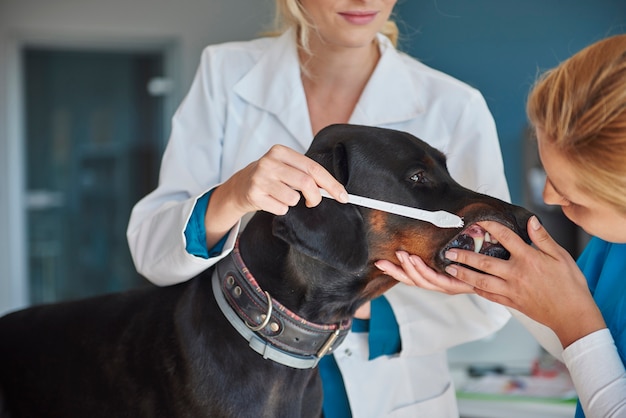
Brushing your pet’s teeth regularly remains the gold standard for home dental care. Use a pet-specific toothbrush and toothpaste, as human toothpaste can be harmful if swallowed. Start slowly, allowing your pet to get used to the sensation, and aim for a brief brushing session each day. If your pet is resistant, even brushing a few times a week can make a significant difference.
Dental chews, treats, and specialized diets can also help reduce plaque and tartar. Look for products approved by veterinary dental organizations, and be mindful of calorie content, especially for less-active pets. Chew toys designed to clean teeth can be a fun addition to your pet’s routine, but always supervise your pet and choose toys appropriate for their size and chewing style.
Regularly inspect your pet’s mouth for changes in color, swelling, or odor. Early detection of problems allows for prompt intervention and better outcomes. Scheduling routine preventative care appointments at Haddon Veterinary Clinic is an excellent way to ensure your pet’s dental health is professionally monitored and maintained.
When to Schedule a Veterinary Dental Checkup
Knowing when to seek veterinary dental care can make all the difference in your pet’s comfort and long-term health. You should schedule an appointment with our veterinary team if you notice persistent bad breath, visible tartar, red or swollen gums, loose teeth, or any difficulty eating. Sudden changes in behavior, such as reluctance to play or sensitivity around the mouth, also warrant prompt attention.
In addition to addressing immediate concerns, we recommend annual dental examinations as part of your pet’s comprehensive wellness plan. Some pets, especially those with a history of dental issues, may benefit from more frequent checkups. Our veterinarians can help you determine the best schedule based on your pet’s age, breed, and individual risk factors.
Remember, dental disease often progresses quietly; waiting until your pet shows obvious signs of pain or illness can lead to more complicated and costly treatments. Taking a proactive approach protects your pet from unnecessary discomfort and supports their overall wellbeing.
If you’re searching for a trustworthy veterinarian near me in Haddon Heights, our dedicated team at Haddon Veterinary Clinic is always ready to help you care for your pet’s teeth and gums.
Conclusion: Protect Your Pet’s Smile This Spring
Dental health is a vital part of your pet’s overall wellness, and March is the perfect time to refocus on their oral care routine. By staying alert to early signs of dental disease, understanding why problems develop, and partnering with our veterinary team for both professional treatments and home care guidance, you can give your pet the best chance at a happy, healthy life.
If you have questions about your pet’s dental health, want to schedule a dental cleaning, or are due for a routine checkup, don’t hesitate to reach out to Haddon Veterinary Clinic. Our veterinarians are passionate about providing personalized, progressive care for every pet in Haddon Heights and the surrounding communities. Call us at (856) 263-2888 or visit our clinic location to book your pet’s next visit. Together, let’s keep your pet’s smile bright all year long.
For more information on dental services, explore our pages on professional dental cleaning for pets and preventative care. As your trusted local “veterinarian near me,” we’re here to support every aspect of your pet’s health journey this spring and beyond.
This blog is intended for informational purposes only and does not substitute for professional veterinary advice. If you have concerns about your pet’s dental health or notice any changes in their behavior, please schedule an appointment with our veterinary team for an in-person evaluation.